
Plants
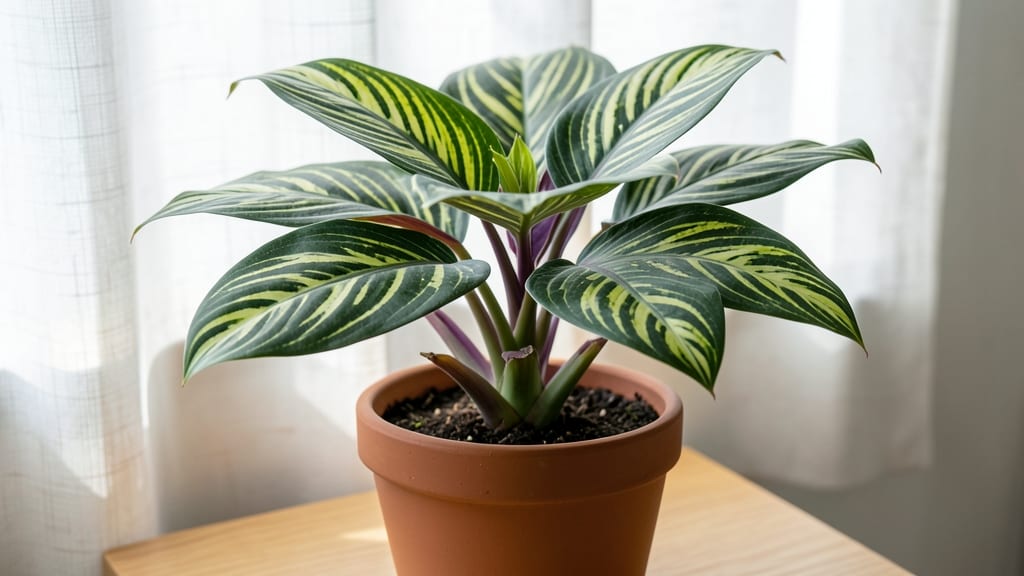
If you’re wondering how much light does a zebra plant need to truly thrive, the answer lies in striking the perfect balance—too little and its leaves fade, too much and they scorch.
This stunning houseplant thrives with bright indirect light, but it’s surprisingly adaptable to different spots in your home. Whether you’re working with a sunroom, kitchen window, or even artificial lighting, I’ll break down the best ways to keep those striking foliage patterns vibrant and bold. No guesswork needed!
Zebra Plants (Aphelandra squarrosa) love bright indirect light, but they’re not picky about where you place them. Whether you’re in a sunroom, kitchen window, or even under grow lights, I’ll show you exactly how to nail the ideal lighting setup.
You’ll also learn to spot the warning signs—like yellowing leaves or leggy growth—that mean your plant’s light needs aren’t quite right. With a few simple adjustments, you can transform a struggling Zebra Plant into a lush, vibrant centerpiece that steals the show in any room.
Ready to give your plant the perfect lighting setup? Let’s dive into the essential tips to keep your Zebra Plant thriving year-round, no matter where you live in USDA Zone 6a or beyond.

Zebra plant light requirements: ideal brightness levels explained
Your zebra plant (Aphelandra squarrosa) thrives in bright indirect light, making it perfect for homes with east or west-facing windows. This tropical beauty mimics its native understory habitat, where dappled sunlight filters through taller trees.
Too much direct sun causes leaf scorch, while low light dulls its signature zebra-striped foliage.
The ideal light spectrum for zebra plants falls between 1,000-3,000 foot-candles—think of it as the brightness of a cloudy day outdoors. In winter, when natural light weakens, you may need to supplement with grow lights to maintain its vibrant colors.
Even slight adjustments in placement can make a dramatic difference in your plant's health.
Here’s how to visualize the perfect light conditions: Imagine placing your zebra plant 2-3 feet from an east-facing window during morning hours or 3-4 feet from a west-facing window in the afternoon. These distances provide the gentle, diffused light your plant craves without exposing it to harsh midday rays.
| Light Condition | Foot-Candles | Best Placement | Seasonal Adjustments |
|---|---|---|---|
| Bright Indirect | 1,000-3,000 | East/West window, 2-3 ft away | Standard placement year-round |
| Low Light | 500-1,000 | North window or 6+ ft from bright window | Use grow lights 12-14 hrs/day |
| Direct Sun | 3,000+ | South window or outdoor summer | Provide afternoon shade; move indoors |
| Artificial Light | 2,000-4,000 | 12-18 inches under LED grow lights | Winter supplement: 12-14 hrs/day |
Seasonal changes dramatically affect your zebra plant’s light needs. In summer months, when sunlight is most intense, move your plant further from windows or use sheer curtains to filter harsh rays.
During winter, when days grow shorter, consider rotating your plant quarter-turns weekly to ensure even growth and prevent lopsided development.
One common mistake is assuming all bright light is good light. A south-facing window can deliver too much direct sunlight, especially in afternoon hours when rays are strongest.
If you notice brown leaf tips or yellowing between veins, these are clear signs your zebra plant is getting too much direct sun. Simply relocate it to a shadier spot and monitor for improvement within 2-3 weeks.
For gardeners in apartment buildings or homes with limited natural light, LED grow lights are a game-changer. A 10,000-15,000K daylight bulb placed 12-18 inches above your zebra plant for 12-14 hours daily mimics ideal growing conditions.
These lights are energy-efficient and won’t generate excess heat, making them perfect for indoor setups.
Pro tip: Use a light meter app on your smartphone to measure foot-candles in potential spots. Aim for the 1,000-3,000 range—any lower and your plant’s colors will fade, while higher readings risk leaf burn.
This simple tool takes the guesswork out of placement and helps you create the perfect microclimate for your zebra plant.
Remember, the goal is to mimic natural understory conditions. Your zebra plant isn’t just surviving in bright indirect light—it’s thriving, producing its signature bold foliage patterns and vibrant blooms when given the right conditions.
With the right light balance, you’ll enjoy a lush, healthy zebra plant for years to come.
🌿
Zebra plant light requirements: ideal brightness levels explained
Your zebra plant (Aphelandra squarrosa) thrives best in bright indirect light, which mimics its natural understory habitat. Think of it as needing morning sunlight with afternoon shade—like the gentle glow filtering through a forest canopy.
This balance prevents the harsh UV damage that causes leaf scorch while ensuring enough energy for vibrant foliage.
In terms of light intensity, aim for 4-6 hours of bright indirect light daily. This means placing it near an east or west-facing window where sunlight is softer. South-facing windows can work too, but only if you use a sheer curtain to diffuse the intensity.
North-facing windows may work in a pinch, but expect slower growth and muted leaf patterns.
| Light Condition | Ideal Setup | Effects on Plant |
|---|---|---|
| Bright Indirect Light | 2-3 ft from east/west window | Vibrant foliage, healthy growth |
| Low Light | North window or dim room | Leggy growth, pale leaves |
| Direct Sunlight | South window without shade | Brown leaf tips, crispy edges |
Seasonal adjustments are key! During summer months, your zebra plant may need extra shade protection from midday sun, especially if you notice leaves curling or turning yellow.
In winter, when natural light dims, supplement with a grow light for 6-8 hours daily if you see the plant stretching toward the window—a sign of light deprivation.
Pro tip: Rotate your plant quarter-turns every 2 weeks to ensure even light exposure. This prevents lopsided growth and keeps those striking zebra-patterned leaves looking their best on all sides. A simple habit that makes a world of difference!
If you're unsure about your space, test it with the "shadow test": Hold a white piece of paper near your plant’s spot. If the shadow is sharp and dark, it’s too direct. If it’s soft and faint, you’re in the perfect light zone for your zebra plant.
Remember, the goal is consistency. Zebra plants hate sudden light changes, so avoid moving them frequently or placing them near drafty windows that cause temperature fluctuations. With the right light setup, you’ll enjoy lush, colorful foliage for years to come! 🌿