
Plants
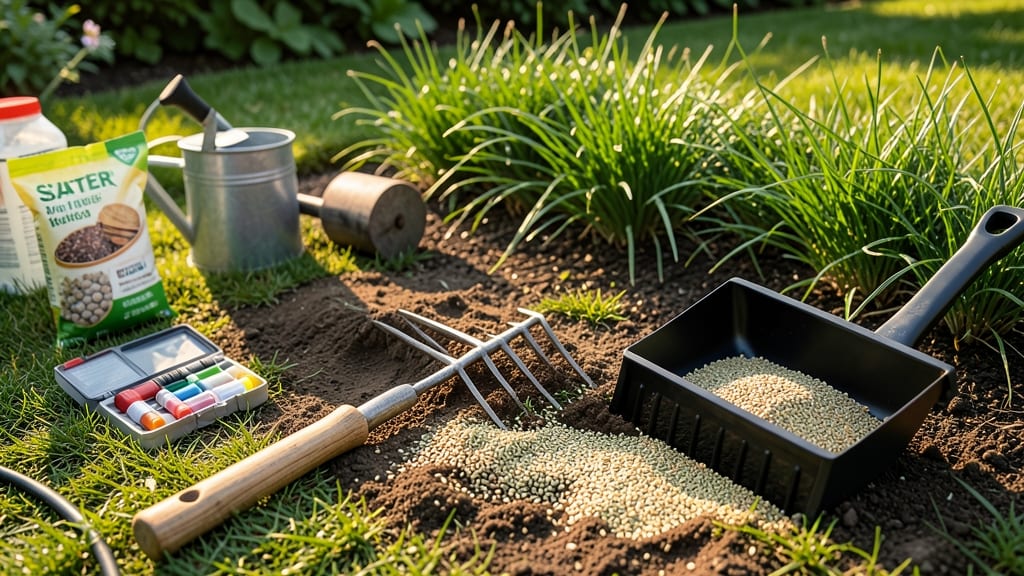
Planting grass seed in Michigan at the wrong time can leave you staring at patchy lawns all summer—so getting the timing right is the key to a thick, green carpet that survives the Great Lakes' mood swings.
With USDA zones 5b-6b and frost dates that shift from April to October, Michigan's climate demands precision.
Whether you're in southern Michigan's warmer pockets or northern areas where winter lingers, the ideal window narrows to early spring or early fall when soil temperatures hit 50-60°F—not too hot, not too cold.
Spring planting gives you a head start, but fall offers cooler temps and fewer weeds. I'll break down exactly when to plant in your specific zone, plus pro tips to avoid common mistakes that derail even the best-laid lawn plans.
Skip the guesswork—let's get your Michigan lawn off to a fast, lush start with science-backed timing and prep work that actually works in your backyard.
Michigan grass seed planting calendar by hardiness zones (5b, 6a, 6b)
Michigan’s USDA hardiness zones 5b, 6a, and 6b create distinct planting windows for grass seed—spring vs. fall—that determine germination success. Southern Michigan (zones 6a-6b) enjoys slightly longer growing seasons, while northern Michigan (zone 5b) faces earlier frosts.
Timing your planting to align with soil temperatures of 50-60°F and avoiding extreme heat or frost is critical for fast, even germination.
Cool-season grasses—like Kentucky bluegrass and tall fescue, which thrive in Michigan—prefer early spring or late summer/fall planting. Warm-season grasses (like zoysia) are rare in Michigan but require late spring planting if used.
Understanding your zone’s last frost date (April 15) and first frost date (October 15) helps narrow down the ideal windows.
Here’s how Michigan’s three hardiness zones break down for planting:
For spring planting, aim to finish by mid-May to give seeds 6–8 weeks of growth before summer heat. Fall planting should wrap up by mid-October to allow roots to establish before winter. Northern Michigan gardeners often prefer fall planting to avoid spring’s unpredictable rains and cooler soils.
Use a soil thermometer to confirm temperatures—50°F is the minimum for germination, but 60°F is ideal. Upper Michigan’s cooler soils may delay planting until late May, while southern Michigan can start as early as late March.
Check Michigan State University Extension for localized frost date maps to refine your timing.
Pro tip: Test your soil’s pH (ideal: 6.0–7.0) before planting. Northern Michigan soils often need lime to raise pH, while southern Michigan may require sulfur to lower it. Adjust 4–6 weeks before seeding for best results.
If you’re overseeding an existing lawn, late summer (August) is ideal—it fills thin spots before winter. For new lawns, early fall (September) often yields the thickest results with 70–80% less weed competition than spring.
Remember: Grass seed needs consistent moisture to germinate. Plan for daily watering (or rain) for the first 2–3 weeks, keeping the soil evenly damp but not soggy. Morning watering (5–9 AM) prevents fungal diseases like damping off, a common issue in Michigan’s humid summers.
🌱
How to choose between spring vs. fall planting for Michigan lawns
Michigan’s two best windows for grass seed planting—spring and fall—each come with trade-offs that can make or break your lawn’s success. Spring planting lets you enjoy summer greenery faster, while fall offers cooler temps and fewer weeds.
The right choice depends on your specific location, grass type, and patience level.
Southern Michigan (zone 6a-6b) can start spring planting as early as March 15, but northern areas (zone 5b) should wait until April 15 to avoid frost damage. Fall planting, however, works statewide from September 1 to October 15, giving seeds time to establish before winter.
I’ve planted lawns in both seasons and found that fall often yields thicker roots because cooler air and soil reduce stress. But spring wins for those who want instant gratification—just be prepared for summer drought challenges.
Your grass variety also matters: cool-season grasses like Kentucky bluegrass and tall fescue thrive in both seasons, while warm-season zoysia needs summer heat. Most Michigan lawns use cool-season blends, making either season viable.
Spring Planting
✅ Pros
- ✔️ Faster summer green-up
- ✔️ More daylight for growth
- ✔️ Easier weed control
❌ Cons
- ✖️ Higher drought risk
- ✖️ Weeds compete for space
- ✖️ Needs frequent watering
Fall Planting
✅ Pros
- ✔️ Cooler temps reduce stress
- ✔️ Fewer weeds to compete
- ✔️ Stronger root system
❌ Cons
- ✖️ Slower summer establishment
- ✖️ Frost can delay germination
- ✖️ Less daylight for growth
For spring planting, focus on soil prep first: till the area to 2-3 inches deep, remove debris, and add compost. Test your soil’s pH—most Michigan lawns need 6.0-7.0—and adjust with lime or sulfur if needed. Then plant when soil hits 50-60°F.
Fall prep is simpler: just rake the area to loosen soil and add a thin layer of compost. Plant 6-8 weeks before your first frost (usually by September 15 in most areas). This gives seeds time to germinate before winter dormancy.
My top recommendation? Fall planting wins for most Michigan lawns—it’s why my neighbor’s lawn is denser than mine after I switched to autumn seeding. But if you’re impatient, spring works too—just be ready to water daily for the first month to keep seeds moist.