
Plants
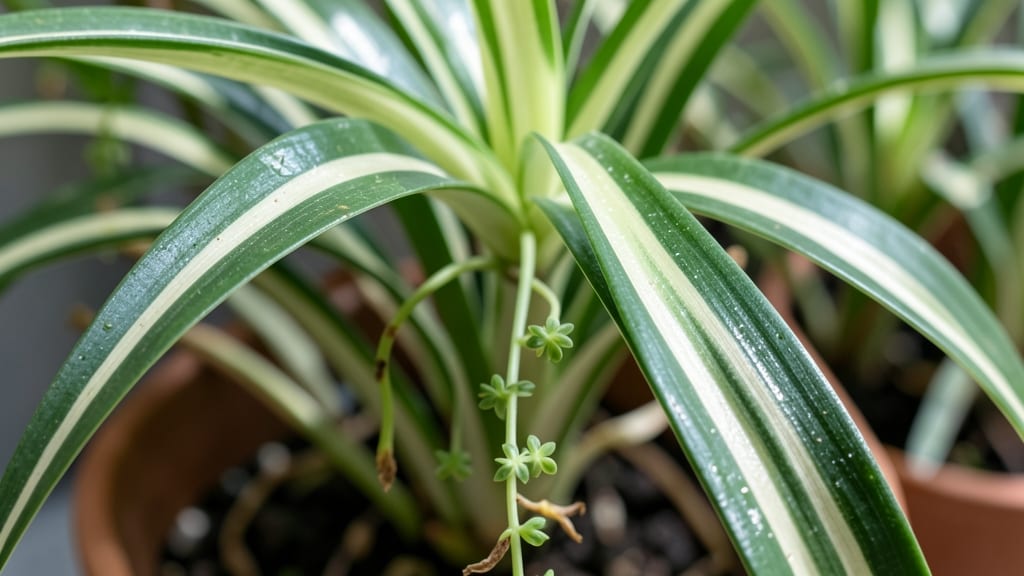
If your 🕷️ spider plant looks sad with yellowing leaves or stretched-out growth, you might be getting how much light does a spider plant require wrong. This hardy plant thrives in conditions that surprise most beginners—it doesn’t need much sun, but too little or too much will stress it out.
The ideal light for a spider plant falls somewhere between dim corners and harsh midday sun. Bright, indirect light—think filtered morning sunlight or a spot a few feet from an east-facing window—is where it truly shines.
Even low-light conditions work if you adjust care, but direct sun will scorch those pretty variegated stripes.
Here’s the game-changer: most indoor setups get this wrong by either placing plants too close to windows or burying them in dark rooms. I’ll show you exactly where to position yours for lush, vibrant growth—no guesswork required.
Whether you’re dealing with brown tips, leggy stems, or just want to keep your plant happy year-round, understanding its light needs is the first step. Let’s fix this together with simple, actionable tips that work for any home setup.

Spider plant light requirements: the ideal spectrum for healthy growth
Spider plants (Chlorophytum comosum) thrive in bright indirect light, making them perfect for homes with limited direct sunlight. Unlike sun-loving plants, they despise harsh rays that can scorch their delicate leaves.
The ideal light range sits between 10,000–15,000 lux, similar to a well-lit office or a spot near a north-facing window.
If you’re unsure about your home’s light levels, think of it this way: bright indirect light means the plant should receive filtered sunlight—like what you’d find under a sheer curtain or through a glass door.
Direct sun (especially south- or west-facing windows) can cause leaf burn, while dim corners may lead to leggy, weak growth.
Here’s how to visualize the perfect setup: Place your spider plant 2–3 feet away from an east or north window. This distance ensures it gets enough light without risking sun damage. If your home lacks natural light, don’t worry—we’ll cover grow light solutions later!
Seasonal adjustments are key. In summer, when sunlight is intense, move your plant slightly farther from the window or use a light sheer curtain to diffuse the rays. Conversely, in winter, supplement with a grow light for 12–14 hours daily if natural light drops below 10,000 lux.
Pro tip: Rotate your spider plant quarter-turns every 2–3 weeks to ensure even light exposure. This prevents one side from stretching toward the window while the other remains pale. Uneven growth is a classic sign of light imbalance, and rotation keeps your plant bushy and symmetrical.
| Light Condition | Ideal Placement | Lux Range | Signs of Correct Light |
|---|---|---|---|
| Bright Indirect | 2–3 ft from east/north window | 10,000–15,000 | Vibrant green/variegated leaves |
| Low Light | Away from windows, grow lights | 5,000–10,000 | Leggy growth, pale leaves |
| Direct Sun | South/west windows, no shade | >15,000 | Brown crispy edges, bleached spots |
For those with south- or west-facing windows, treat your spider plant like a diva—keep it at least 5 feet away or use a UV-blocking film on the glass. Even a few hours of direct sun can cause irreversible damage, turning lush green leaves into crispy, brown messes.
If you notice yellowing or brown tips, it’s a red flag that your plant is getting too much light.
In low-light conditions, like a dim bathroom or basement, your spider plant will survive but may become leggy and sparse.
To combat this, invest in a full-spectrum LED grow light (like the Samsung LM300 Series) and place it 6–12 inches above the plant for 12–14 hours daily. This mimics natural light cycles and keeps your spider plant thriving year-round.
Remember: consistency is key. Spider plants adapt to their light conditions over time, but sudden changes (like moving from a bright window to a dark corner) can shock them.
If you’re rearranging your home, transition your plant gradually—move it closer to its new spot over 5–7 days to avoid stress.
Finally, observe your spider plant’s growth patterns. Healthy leaves should be upright, vibrant, and variegated (if your variety has stripes). If you see stretched-out stems or dull, pale leaves, it’s time to adjust its light exposure.
Your goal? A balanced, happy plant that rewards you with new spiderettes and lush foliage all year.
Spider plant light requirements: the ideal spectrum for healthy growth
Spider plants (Chlorophytum comosum) thrive in bright indirect light, making them perfect for homes with limited sunlight. Unlike sun-loving plants, they despise harsh rays—direct sun causes brown leaf tips and crispy edges.
The magic happens in filtered light, like what you’d find near an east-facing window or under sheer curtains.
Think of your spider plant’s ideal spot as morning coffee light—bright enough to fuel growth but gentle enough to avoid burns. South-facing windows work too, but only if your plant sits 3–4 feet away from the glass. West-facing windows? Be cautious—afternoon sun can be too intense.
Here’s the science: spider plants prefer 10,000–15,000 lux of light, roughly equivalent to a cloudy day outside. In dimmer rooms (like basements or north-facing spaces), they’ll survive but grow leggier (stretched stems) as they reach for light.
That’s when you’ll need to supplement with a grow light for 12–14 hours daily.
| Light Condition | Ideal Placement | Growth Impact |
|---|---|---|
| Low Light (100–500 lux) | North windows, offices, bathrooms | Slow growth, leggy stems |
| Medium Light (500–1,000 lux) | East/west windows, 3–5 ft away | Healthy, compact growth |
| Bright Indirect (1,000–15,000 lux) | South windows (filtered), grow lights | Vibrant stripes, rapid growth |
| Direct Sun (>15,000 lux) | South windows (unfiltered) | Burned leaves, stunted growth |
Seasonal shifts matter too! In winter, when daylight fades, move your spider plant closer to a window (but avoid cold drafts). In summer, watch for longer daylight hours—rotate the pot quarter-turns weekly so all sides get even light.
This prevents lopsided growth and keeps those variegated stripes popping.
Pro tip: If your plant’s leaves start losing their stripes, it’s a cry for more light. The green parts stay alive, but the white/yellow variegation fades without enough brightness.
A simple fix? Relocate to a sunnier spot or add a 12-inch LED grow light 6 inches above the leaves for 6 hours daily.
Remember, spider plants are forgiving—they’ll adapt to low light if you’re patient, but they’ll always reward you with healthier growth in the right conditions. Start with bright indirect light, monitor their response, and adjust as needed.
Your plant will thank you with long, lush leaves and those adorable spiderettes!