
Plants
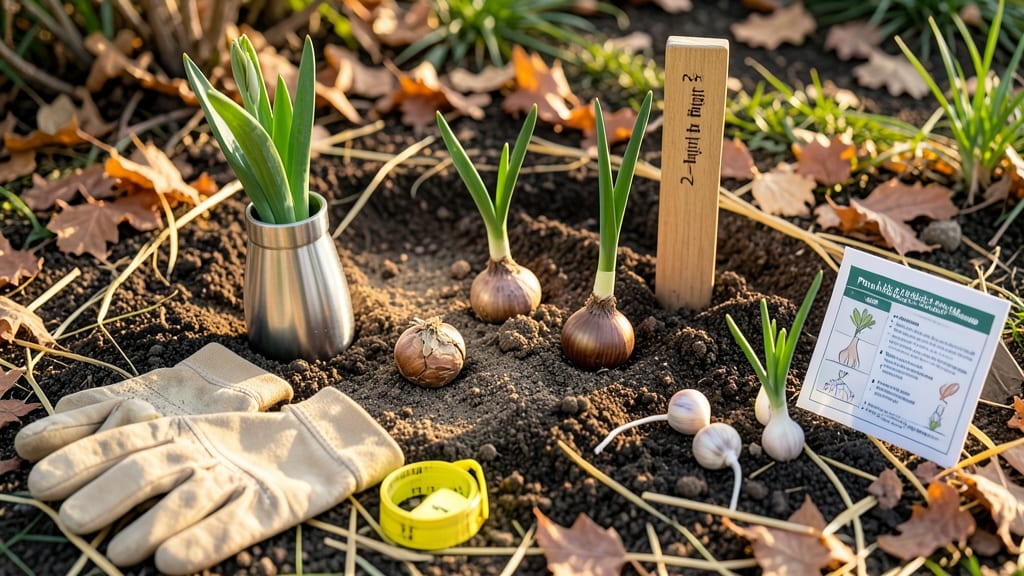
Planting bulbs in Maryland at the wrong time can mean the difference between a showstopping spring garden and a disappointing flop. With Zone 7b's precise frost dates and shifting fall temperatures, timing is everything—especially when you're waiting for those first 🌷 daffodils to pop up in April.
Most gardeners in Maryland know fall is the magic window for spring-flowering bulbs like tulips and hyacinths, but the exact October-November deadline varies depending on whether you're in Baltimore's urban heat islands or Western Maryland's cooler valleys. Get it wrong, and you risk weak roots or bulbs rotting before winter.
What you might not realize is that Maryland's microclimates also affect when to plant fall-blooming bulbs like crocuses. I’ll break down the exact deadlines for both spring and fall planting, plus how to adjust for early frosts or unusually warm spells—so you never miss another blooming season.
Ready to transform your garden? Let’s dive into the perfect planting schedule for Maryland’s climate, plus pro tips to keep your bulbs thriving year after year.
Maryland Zone 7b planting deadlines: spring vs. fall bulb timing
Maryland’s Zone 7b climate creates a precise 6-8 week window for planting bulbs—too early, and they’ll rot; too late, and they won’t establish roots before frost. The key is understanding soil temperature thresholds and local frost dates that vary slightly across the state.
For spring-flowering bulbs like tulips and daffodils, you must plant in fall (October-November) so they develop roots before winter. Maryland’s average first frost date is around November 1, but gardeners in Western Maryland may see frost 2-3 weeks earlier than Baltimore.
Fall-planted bulbs need 6-8 weeks of cool soil before the ground freezes. Aim to finish planting by mid-November in most of Maryland, but early November is safer for areas like Frederick County where frosts arrive sooner.
If you missed fall planting, early spring planting (March-April) is your second chance. Wait until the soil warms to 50°F (10°C)—usually by mid-March—but plant before shoots emerge to avoid stressing the bulbs.
Fall-flowering bulbs, like crocuses and snowdrops, have a shorter window. Plant them in late summer (August-September) so they establish roots before winter. These bulbs tolerate cooler soils and can handle early frosts better than spring bloomers.
Maryland’s last frost date is typically April 15, but bulbs planted in spring should be in the ground by early April to bloom on schedule. Late spring plantings may produce smaller flowers or no blooms at all.
Soil temperature is more critical than air temperature. Use a soil thermometer to confirm 50-60°F (10-15°C) for spring planting or 60-70°F (15-21°C) for fall planting. In urban areas, soil stays warmer longer due to heat island effect, so adjust timing accordingly.
Here’s a quick reference for Maryland’s bulb planting deadlines based on your location:
| Bulb Type | Planting Window | Soil Temp | Maryland Deadline |
|---|---|---|---|
| Spring Bulbs (Tulips, Daffodils) | Fall (Oct-Nov) | 50-60°F (10-15°C) | Mid-Nov (most areas) / Early Nov (Western MD) |
| Spring Bulbs (Late Planting) | Early Spring (Mar-Apr) | 50°F+ (10°C+) | By April 1 (Baltimore), March 15 (Western MD) |
| Fall Bulbs (Crocuses, Snowdrops) | Late Summer (Aug-Sep) | 60-70°F (15-21°C) | By September 15 (statewide) |
Pro tip: Order bulbs early—popular varieties sell out by September. Store them in a cool, dry place (like a garage) until planting day. If you’re unsure about timing, plant daffodils first—they’re the most frost-tolerant and forgiving.
Remember, well-draining soil is non-negotiable. Amend heavy clay with compost or sand to prevent bulb rot, especially in low-lying areas where water pools after rain. Mulch with 2-3 inches of straw after planting to insulate bulbs through winter.
For gardeners in Zone 7a (like parts of Western Maryland), shift planting 2 weeks earlier to account for colder soils. In coastal areas, you may have 1-2 extra weeks due to milder winters.
Missed the window? Don’t panic. Container planting extends your season—just use well-draining potting mix and keep pots in a shady spot until spring. With the right timing, your Maryland garden will burst with colorful blooms from late winter to early summer.
Best fall-planted bulbs for Maryland gardens (and when to order them)
Maryland’s Zone 7b climate rewards gardeners who plant the right bulbs at the right time. While tulips and daffodils steal the show, other bulbs like alliums and hyacinths thrive here too—if you plant them in the ideal window.
The key? Ordering bulbs early and planting them 6-8 weeks before the ground freezes, typically between mid-October and early November.
For spring-flowering bulbs, aim to plant by November 1st in most of Maryland. In cooler Western Maryland, you might have until November 15th, while Baltimore’s urban heat can push the deadline to October 20th.
Fall-blooming bulbs like crocuses and snowdrops need a slightly later start—plant them in late August to September.
🌱 Maryland Bulb Planting Guide
| Bulb Type | Best Planting Month | Bloom Time | Maryland Hardiness |
|---|---|---|---|
| Daffodils | October–November | April–May | Excellent (Zone 3-8) |
| Tulips | October–November | April–May | Good (Zone 3-7) |
| Hyacinths | October–November | April–May | Good (Zone 4-8) |
| Alliums | September–October | May–June | Excellent (Zone 4-9) |
| Crocuses | August–September | February–March | Excellent (Zone 3-8) |
Pro tip: Order bulbs in late summer (August) for the best selection. Smaller bulbs like miniature daffodils or grape hyacinths often sell out by September, so plan ahead. Store them in a cool, dark place (like a garage) until planting day to prevent sprouting.
If you miss the fall window, don’t panic! You can still plant bulbs in early spring (March–April) for late-season blooms. Just expect slightly smaller flowers. The trade-off? Fewer pests and no risk of rot from soggy soil.
For long-lasting blooms, mix varieties with different heights and bloom times. For example, pair early crocuses (February) with late tulips (May) to extend your garden’s color palette. Just remember: well-draining soil is non-negotiable—Maryland’s clay-heavy areas need extra compost or sand to prevent bulb rot.
🌷