
Plants
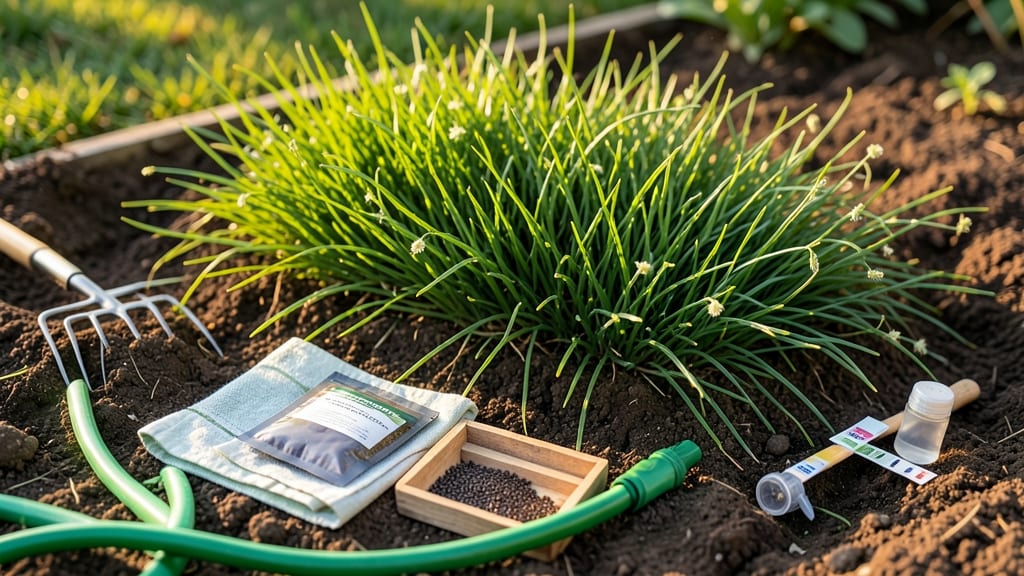
Planting Bermuda grass seed at the wrong time in South Carolina can mean the difference between a vibrant, drought-resistant lawn and months of frustration. With USDA zones 7b-8a bringing unique challenges—like coastal humidity or Piedmont heat spikes—getting the timing right is everything.
Most gardeners assume late spring is the only window, but your location matters. Coastal areas near Charleston can plant 2-3 weeks earlier than inland Piedmont zones, thanks to milder temperatures.
The key? Waiting until soil temps hit 65°F—not just air temperatures—so your 🌱 Bermuda grass seeds germinate strong and fast.
In this guide, I’ll break down the exact planting windows for your zone, plus the critical factors that determine success—like soil prep, rainfall patterns, and avoiding common mistakes that kill germination. Whether you’re seeding in May or June, you’ll leave with a clear plan tailored to your SC climate.
Ready to transform your lawn? Let’s dive into the perfect timing and care steps that’ll have your Bermuda grass thriving all summer long.
Optimal Bermuda grass planting dates by South Carolina zone (coastal vs Piedmont)
Timing your Bermuda grass seed planting in South Carolina isn’t one-size-fits-all. The coastal zone (USDA 8a) and Piedmont region (USDA 7b-8a) experience different microclimates that shift ideal planting windows by 2-3 weeks.
Coastal areas stay warmer longer, while Piedmont zones face earlier frosts and hotter summers. Let’s break down the exact planting windows for each zone.
For coastal South Carolina (e.g., Charleston, Hilton Head), aim to plant Bermuda grass seed between mid-April and late May. The soil warms faster near the coast, reducing frost risk after March 15.
However, planting before April 15 risks seed rot from lingering coastal humidity. Inland areas like Columbia or Greenville should wait until late April to early June to avoid early spring frosts.
Your soil temperature is the real game-changer. Bermuda grass seed needs soil at at least 65°F to germinate. Use a soil thermometer—coastal zones hit this mark by mid-April, while Piedmont areas may need to wait until early May.
Planting too early means wasted seed; too late risks overheating and poor establishment.
| Zone | USDA Zone | Ideal Planting Window | Soil Temp Threshold | Key Risk |
|---|---|---|---|---|
| Coastal (e.g., Charleston) | 8a | Mid-April to Late May | 65°F+ (by April 15) | Seed rot from humidity |
| Piedmont (e.g., Columbia) | 7b-8a | Late April to Early June | 65°F+ (by May 1) | Late frost or drought |
| Upstate (e.g., Greenville) | 7b | Early May to Mid-June | 65°F+ (by May 15) | Extreme heat stress |
If you’re in USDA Zone 7b (Upstate SC), delay planting until early May to avoid late frosts. The Upstate’s cooler nights and hotter days create a narrower 30-day window for success.
Use a frost calendar like the one from Clemson Extension to track local risks—some years, Upstate gardeners wait until June 1 to play it safe.
Pro tip: Test your soil 1-2 weeks before planting. Coastal soils may need sand amendments for drainage, while Piedmont clay benefits from compost mixing. Aim for a pH of 6.0–7.0—Bermuda grass thrives in slightly acidic to neutral soil. Adjust with lime or sulfur as needed before seeding.
Once you’ve nailed the planting window, focus on seed depth. Plant Bermuda grass seed ¼ inch deep and cover lightly with soil. Coastal areas benefit from a light mulch layer to retain moisture, while Piedmont zones may need shade cloth during extreme heat.
Water daily until germination (7–14 days), then taper to deep weekly watering.
Remember: Bermuda grass is a warm-season grass, meaning it goes dormant in winter. Planting too late (after June 15) risks poor root establishment before summer’s end. If you miss the window, consider sod installation in early fall for faster results.
For coastal gardeners, prioritize early May planting—this balances warmth and humidity. Piedmont gardeners should wait until late May to avoid frost. Use these dates as a starting point, then adjust based on your yard’s sun exposure and soil conditions.
Next, we’ll dive into the 5 critical factors that determine your perfect planting window—soil temperature, rainfall, humidity, and more. Don’t miss these game-changers for Bermuda grass success in SC!
5 Critical factors that determine your perfect planting window
Timing your Bermuda grass seed planting isn’t just about picking a month—it’s about aligning five key factors to create the perfect growing conditions. First, soil temperature is the most critical. Your seeds won’t germinate until the soil reaches at least 65°F, even if air temps feel warm.
Use a soil thermometer to check—this usually happens in mid-to-late May for most of SC, but coastal areas can be ready 1-2 weeks earlier than Piedmont zones.
Next, rainfall patterns play a huge role. Bermuda grass needs consistent moisture during germination, but too much rain can wash seeds away or cause rot. Aim for 0.5–1 inch of rain per week or supplement with early-morning watering to keep soil evenly damp.
Check your local NOAA rainfall forecasts 2 weeks before planting to avoid dry spells or stormy periods.
Don’t overlook humidity levels, especially in coastal SC. High humidity (like in Charleston) speeds up germination but also increases fungal risks like brown patch disease. If humidity stays above 70% for days, consider a fungicide treatment after planting to protect young sprouts.
Inland areas like Columbia have lower humidity, so this risk is reduced—but drought stress becomes the bigger threat.
Your seed dormancy period matters too. Most Bermuda grass seeds have a 30–60 day dormancy window before they sprout. Planting too early (like in April) means seeds may rot in cool soil, while planting too late (July) risks overheating and poor germination.
The 30-day rule is simple: Plant when you can commit to daily care for at least a month, even if rain or heat delays progress.
- 1. Soil Temp: Wait until soil hits 65°F+ (use a thermometer!).
- 2. Rainfall: Aim for 0.5–1 inch/week; supplement if dry.
- 3. Humidity: Coastal areas need fungicide prep if >70% humidity.
- 4. Dormancy: Plant within a 30-day care window for best results.
- 5. Weed Control: Kill weeds 2 weeks before seeding to reduce competition.
Finally, weed competition can make or break your lawn. Bermuda grass is aggressive once established, but young seedlings struggle against crabgrass, clover, or chickweed. Use a pre-emergent herbicide 2 weeks before planting to kill weed seeds in the soil.
For organic gardeners, hand-pull weeds or smother them with black plastic for 4–6 weeks before seeding. Pro tip: Aerate your lawn 1–2 weeks before planting to loosen soil and give seeds better contact with moisture.
By nailing these five factors, you’ll create the ideal 30-day planting window for your Bermuda grass. Miss even one, and you risk slow germination, patchy growth, or worse—total failure. Next, I’ll cover the most common mistakes SC gardeners make (and how to avoid them) to ensure your lawn starts strong.