
Plants
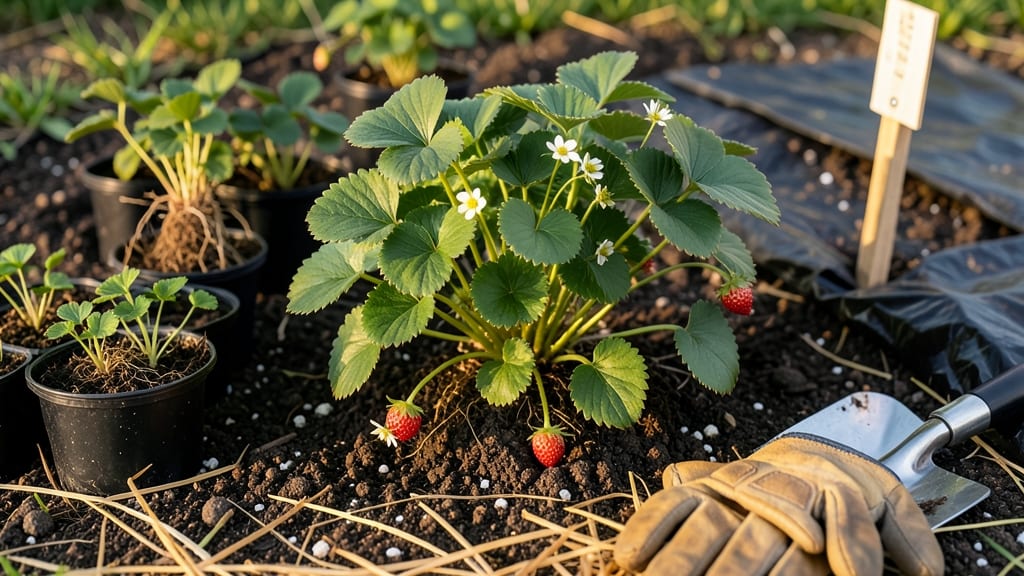
Timing your 🍓 strawberry planting in Virginia can make or break your harvest—because those sweet, juicy berries won’t thrive if you miss the ideal windows for your specific microclimate.
Whether you’re in the Coastal Plain, Piedmont, or Mountain regions, the right planting window depends on frost dates, soil warmth, and even elevation. Plant too early, and frost will damage tender roots; wait too long, and your berries may never set fruit.
I’ll break down the exact weeks to plant for both spring and fall success in Virginia’s diverse zones.
You’ll also discover how to adapt for urban heat islands, high-elevation gardens, and coastal areas—plus the best strawberry varieties for your region. Let’s get your 🍓 strawberries off to the perfect start!
Ready to avoid common mistakes and maximize your harvest? I’ll show you how to time your planting like a Virginia pro—so you can enjoy homegrown strawberries from summer through fall.
Virginia’s strawberry planting zones: exact weeks for spring vs fall success
Virginia’s diverse climate—spanning USDA zones 5-8—means your strawberry planting window can vary by 3-4 weeks depending on where you live. In the Coastal Plain, milder winters allow earlier spring plantings, while the Blue Ridge Mountains often require waiting until late April or May.
Understanding these regional differences ensures your strawberry crowns establish roots before summer heat arrives.
For spring planting, aim to get plants in the ground 4-6 weeks before your last frost date.
In Virginia, this typically lands between mid-March and early April in the Tidewater region and late March to mid-April in the Piedmont. Fall planting, on the other hand, should occur 6-8 weeks before your first frost, usually mid-September to early October across most of the state.
Soil temperature is just as critical as calendar dates. Strawberries thrive when soil reaches 40-50°F. Use a soil thermometer to confirm readiness—cold soil can stunt root growth, while warm soil (above 55°F) encourages rapid sprouting. In Virginia’s unpredictable springs, this often means waiting until late March or early April even if frost dates suggest earlier planting.
Here’s how Virginia’s three main regions break down for optimal strawberry planting:
| Region | USDA Zone | Spring Planting Window | Fall Planting Window | Soil Temp Threshold |
|---|---|---|---|---|
| Coastal Plain (e.g., Norfolk, Virginia Beach) | 7b-8a | Mid-March to early April | Late September to mid-October | 45-50°F (soil) |
| Piedmont (e.g., Richmond, Charlottesville) | 6b-7a | Late March to early April | Mid-September to early October | 40-45°F (soil) |
| Mountains (e.g., Roanoke, Blacksburg) | 5b-6a | Late April to mid-May | Early September to mid-September | 40-45°F (soil) |
If you’re planting June-bearing varieties (like Chandler or Allstar), stick to these windows for maximum yield. Everbearing varieties (such as Seascape or Ozark Beauty) offer more flexibility, as they produce fruit in both spring and fall.
However, even these benefit from the same soil temperature rules—planting too early in cold soil can delay fruiting.
For bare-root plants, soak crowns for 30-60 minutes before planting to rehydrate roots.
Set them so the crown sits just above soil level—burying it too deep causes rot, while leaving it exposed risks drying. Potted plants can handle slightly later transplanting, but avoid planting when daytime temps exceed 85°F, as this stresses young plants.
Mulching with straw or pine needles after planting helps retain moisture and regulate soil temperature. In Virginia’s humid summers, mulch also reduces fruit rot by keeping berries off damp soil. Apply 2-3 inches of mulch, leaving a 1-inch gap around plant crowns to prevent rot.
Pro tip: Use black plastic mulch in the Piedmont and Mountains to warm soil faster in spring. This can shave 2-3 weeks off your planting timeline by creating a microclimate that mimics the Coastal Plain’s warmer conditions. Just remove it in late summer to allow soil cooling before fall planting.
Always test your soil pH before planting—Virginia’s native soils often lean acidic (pH 5.0-5.5). Strawberries prefer pH 5.8-6.2, so amend with lime or sulfur as needed. A simple $10 soil test kit from your local extension office saves time and frustration down the road.
Timing isn’t just about the calendar—it’s about balancing frost dates, soil temps, and plant readiness. By aligning your planting with Virginia’s regional windows, you’ll give your strawberries the best shot at a lush, productive season—whether you’re in the Coastal Plain’s warmth or the Mountains’ cooler air. 🍓
How Virginia microclimates affect strawberry planting timing (and how to adapt)
Virginia’s diverse geography means your strawberry planting timing can vary dramatically even within a single county. Coastal areas like Norfolk experience milder winters, while the Appalachian Mountains face earlier frosts. Understanding these microclimates helps you adjust planting schedules for optimal success.
Urban heat islands—common in cities like Richmond—can push planting windows 2-3 weeks earlier than rural areas. Meanwhile, high-elevation gardens in the Shenandoah Valley may need to delay planting until soil warms. Let’s explore how to adapt your approach based on where you garden in Virginia.
🌱 Key microclimate factors to consider include: - Elevation: Higher altitudes mean cooler soils and later planting windows. - Urban vs. rural: Cities retain heat longer, extending the growing season. - Coastal influence: Salt spray and milder winters affect coastal regions like Virginia Beach.
- 🌡️ Coastal Plain (Zones 7b-8a): Plant bare-root strawberries as early as late February—soil warms faster near the coast. Use everbearing varieties like 'Chandler' for extended harvests.
- 🏙️ Urban Areas (Richmond, Roanoke): Adjust planting to 3 weeks earlier than rural zones. Mulch with straw or black plastic to retain heat in raised beds.
- ⛰️ Mountain Regions (Zones 5b-6b): Wait until mid-April for spring planting. Choose June-bearing varieties like 'Jewel' for cooler climates.
- 🌊 Coastal Gardens (Virginia Beach, Norfolk): Avoid salt-affected soil—amend with compost. Plant in raised beds to prevent root damage from salt spray.
- 🏡 Container Gardening (Balconies, Patios): Use 5-gallon pots with well-draining soil. Plant potted strawberries 2 weeks earlier than ground planting for warmer root zones.
For fall planting, coastal regions can extend their window until early November, while mountain areas must finish by late September. Always aim to plant 6-8 weeks before the first frost—check your local USDA zone for precise dates.
💡 Pro Tip: Test your soil temperature with a soil thermometer. Strawberries thrive when soil reaches 45°F (7°C)—wait until this threshold is met before planting, especially in cooler microclimates.
Adapting to Virginia’s microclimates ensures your strawberries establish strong roots and produce abundant fruit. Whether you’re in a city heat island or a mountain valley, these adjustments will help you avoid common pitfalls and maximize your harvest.