
Plants
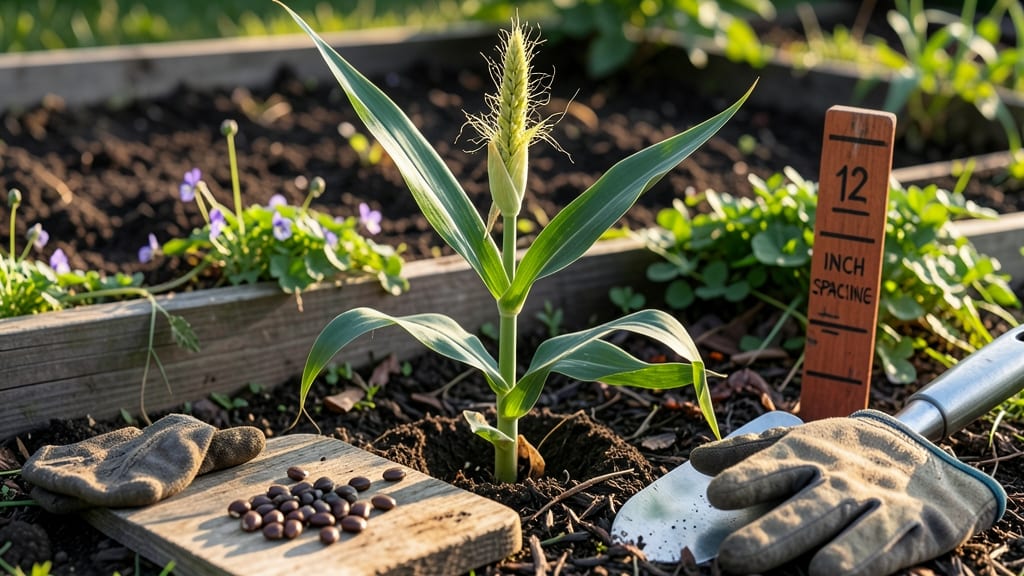
Planting corn in North Carolina at the wrong time can turn your 🌽 dreams into a sad, stunted harvest—especially when unpredictable spring weather throws off your plans.
The key to success lies in knowing exactly when to plant based on your region's last frost dates and soil warmth, not just following a generic calendar.
Whether you're growing sweet corn for summer meals or field corn for livestock, timing matters more than you might think. In zones 6b-8a, most gardeners should aim for mid-April to early May after the last frost, but coastal areas and mountain regions have different rules.
Let me show you how to adjust your planting schedule for maximum yields, no matter where in the state you're growing.
You'll discover the science behind soil temperature thresholds (60°F is non-negotiable), how to read your local climate data, and when to make emergency adjustments if spring arrives late. Plus, I'll share beginner-friendly tips to avoid common mistakes that waste time and resources.
Ready to grow corn that reaches its full potential? Let's dive into the exact planting windows, regional variations, and pro tips that will have your cornstalks towering by summer—and your harvest baskets overflowing.
North Carolina corn planting calendar: exact weeks before last frost for sweet, field, and popcorn varieties
North Carolina’s diverse climate—from the Coastal Plain to the Blue Ridge Mountains—means your corn planting window can vary by 3-4 weeks. The key is planting 2-3 weeks after your average last frost date, when soil temperatures consistently reach 60°F.
For most of the state, this falls between mid-April and early May, but mountain gardeners should wait until late May to avoid frost damage.
Why timing matters so much? Corn seeds won’t germinate below 50°F, and seedlings are extremely frost-sensitive. Planting too early risks rotten seeds, while planting too late cuts your harvest window short.
Below, I’ve broken down the exact planting windows by region, plus how to adjust if spring arrives early or late.
🌽 PRO TIP: Use this rule of thumb: Count backward 70-90 days from your first expected frost (typically mid-October in NC). This gives you your last possible planting date for a full harvest.
| Region | Avg. Last Frost | Ideal Planting Window | Soil Temp. Threshold | Last Planting Date |
|---|---|---|---|---|
| Coastal Plain (Wilmington, Fayetteville) | March 15-April 1 | Mid-April to early May | 60°F+ consistently | June 15 (70-day varieties) |
| Piedmont (Raleigh, Greensboro) | March 25-April 10 | Late April to mid-May | 60°F+ consistently | June 1 (70-day varieties) |
| Mountains (Asheville, Boone) | April 15-May 1 | Late May to early June | 60°F+ consistently | July 15 (90-day varieties) |
| All Regions (Succession Planting) | N/A | Every 2 weeks until July 1 | 60°F+ | Extend harvest season |
For sweet corn varieties (like Silver Queen or Peaches and Cream), aim for 70-day maturity.
These need to be planted no later than early June in most of NC to avoid starchy, tough kernels. Field corn (for animal feed) and popcorn (like Mushroom or Strawberry) can handle longer growing seasons—90-120 days—so you can plant them slightly later.
If you’re unsure about your local frost dates, check the NC State Climate Office or use the Almanac’s Frost Calculator. I also recommend planting a test row 2 weeks before your target date—if seedlings emerge within 7-10 days, your soil is ready. If not, wait another week.
Don’t forget: Corn thrives in warm soil, so avoid planting in cold, wet springs. If your soil stays below 60°F past May 15, consider
How to time corn planting for maximum yield: soil temperature, moon phases, and weather-proofing tips
Timing your corn planting isn't just about avoiding frost—it's about giving your plants the perfect growing conditions from day one. The soil temperature is the #1 factor most NC gardeners overlook, and planting too early when the ground is still chilly can stall germination for weeks.
Aim for 60°F soil temperature at a depth of 4 inches, which typically aligns with mid-April in most of the state, but can vary by 1-2 weeks depending on your microclimate.
To test your soil temperature, use a simple soil thermometer (they're cheap and game-changing). Stick it in the ground where you plan to plant and check it in the morning. If it's below 55°F, wait another week—corn seeds won't germinate reliably in cooler soil.
I've seen gardeners rush planting in early April only to have their seeds rot in the cold ground, so don't make that mistake.
🌱