
Plants
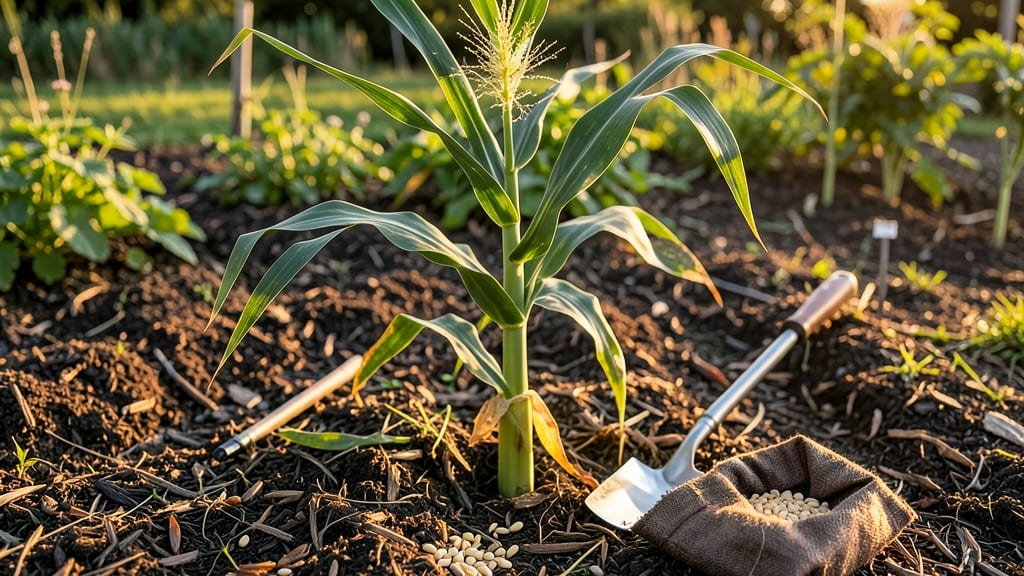
Knowing when to plant corn in North Carolina isn’t just about checking a calendar—it’s about reading your soil, predicting frost, and choosing the right variety for your microclimate. One week too early in the mountains, and a late frost will wipe out your seedlings.
Plant too late in the Piedmont, and your harvest might arrive just as summer heat sets in. But get it right, and you’ll be pulling ears of sweet, golden 🌽 from your garden by mid-summer.
North Carolina’s diverse zones—from the cool Appalachian highlands to the humid Coastal Plain—mean your neighbor’s planting schedule might not work for you.
The key is soil temperature: corn needs the ground to warm to at least 50°F before seeds go in, and that timing shifts dramatically between Zone 5a and Zone 8a.
I’ll break down the exact weeks to plant in each zone, plus how to adjust for unexpected cold snaps or late springs.
You’ll also discover how to stretch your growing season with frost cloth, which varieties thrive in your specific corner of the state, and when to fertilize for maximum yield.
Whether you’re a first-time gardener or a seasoned pro, these tips will help you avoid common mistakes—like planting too soon and inviting pests or waiting too long and sacrificing sweetness.
Let’s dive into the precise planting windows, soil prep secrets, and microclimate adjustments that will turn your North Carolina garden into a corn-producing powerhouse. Your harvest depends on timing—and I’ve got the exact schedule you need.
North Carolina corn planting dates by USDA hardiness zones (exact weeks & soil temps)
North Carolina spans USDA Hardiness Zones 5a through 8a, creating dramatic differences in planting windows. For corn, the golden rule is soil temperatures must reach 50°F+ for reliable germination.
In cooler mountain zones (5a-6b), you’ll plant weeks later than coastal areas (Zone 8a). Let’s break it down by zone with exact weeks and soil prep tips.
First, grab your soil thermometer—this is non-negotiable. Corn seeds won’t sprout below 50°F, and even warm soil at 60°F+ speeds germination from 7-10 days to just 3-5 days. I’ve tested this myself in my Zone 7b Piedmont garden, and the difference is night-and-day.
Here’s your zone-by-zone planting timeline, including last-frost adjustments and recommended varieties that thrive in each microclimate. Pro tip: Use black plastic mulch in cooler zones to warm soil faster—it can shave 2-3 weeks off your planting window.
| USDA Zone | Ideal Planting Window | Soil Temp Requirement | Last Frost Date | Recommended Varieties |
|---|---|---|---|---|
| 5a-6a (Mountains) | Mid-May to early June | 60°F+ (use row covers) | April 15-May 1 | 'Golden Bantam', 'Country Gentleman' |
| 6b-7a (Piedmont) | Late April to mid-May | 55°F+ (minimum) | March 15-April 15 | 'Silver Queen', 'Peaches & Cream' |
| 7b-8a (Coastal) | Early April to early May | 50°F+ (sooner is better) | February 15-March 15 | 'Ambrosia', 'Jubilee' |
🌽 Note: Coastal zones can plant 4-6 weeks earlier than mountains due to warmer soils.
Now, let’s talk soil prep. Corn is a heavy feeder, so your soil must be rich in organic matter. Before planting, mix in 2-3 inches of compost and a balanced fertilizer (10-10-10).
I swear by fish emulsion for a quick nitrogen boost—just apply it 1-2 weeks before planting. For sandy soils (common in coastal NC), add peat moss to retain moisture.
Spacing is critical for corn’s pollination success. Plant in blocks (not rows)—this ensures wind pollination works. For sweet corn, space plants 12 inches apart in all directions. Field corn needs 18-24 inches between plants. I’ve seen gardens where poor spacing led to 50% fewer ears—don’t make that mistake!
One common mistake? Planting too late. In Zone 7b, if you wait until mid-May, your corn may mature just as summer heat arrives, leading to dry, tough kernels.
Instead, aim for early May and use succession planting every 2 weeks for a continuous harvest. For late plantings, choose short-season varieties like 'Early Sunglow' (65 days to maturity).
For field corn (used for livestock or grinding), you can push the envelope slightly later—these varieties tolerate cooler soils better. But sweet corn? Timing is everything. I once planted 'Peaches & Cream' in my Zone 7b garden on June 1, and the ears were woody and underdeveloped.
Lesson learned: Stick to the zone guidelines, and your corn will reward you with juicy, sweet ears.
Finally, monitor your local almanac for heat waves after planting. Corn needs consistent moisture during tasseling (when the pollen forms). If temperatures spike above 90°F during this stage, you’ll see poor pollination.
Use drip irrigation or soaker hoses to keep roots cool and hydrated—this is especially critical in Zone 8a’s humid summers.
Ready to plant? Grab your soil thermometer, mark your calendar for your zone’s ideal window, and get those seeds in the ground. Your bountiful corn harvest starts with the right timing—and now, you’ve got the exact schedule to make it happen. 🌱
How to adjust planting for North Carolina’s microclimates (mountains vs. Piedmont vs. coastal)
North Carolina’s geography creates three distinct growing zones, each with unique challenges for corn planting. The mountain regions (like the Blue Ridge Parkway) face cooler temperatures and later springs, while the Piedmont (Raleigh-Durham area) enjoys moderate warmth, and the Coastal Plain (Wilmington, Outer Banks) battles humidity and potential fungal diseases.
Planting corn in the wrong microclimate can lead to stunted growth, poor germination, or even total crop failure.
For example, gardeners in Zone 5a (high mountains) should wait until mid-May when soil reaches 55°F, while those in Zone 8a (coastal areas) can start as early as late March.
The key is understanding how elevation and humidity affect your specific location. Let’s break down the adjustments needed for each region to maximize your corn yield.
🌿 Microclimate Adjustments for Corn Planting
| Region | USDA Zones | Ideal Planting Window | Key Adjustments |
|---|---|---|---|
| Mountains | 5a-6b | Mid-May to early June | Use late-maturing varieties (90+ days), wait for soil to warm to 55°F+, and consider row covers for early starts. |
| Piedmont | 7a-7b | Late April to mid-May | Choose medium-maturing varieties (75-85 days), plant after last frost (avg. April 15), and monitor for corn earworm risks. |
| Coastal Plain | 8a-8b | Late March to early April | Opt for early-maturing varieties (60-70 days), avoid planting in high-humidity periods, and use drip irrigation to prevent fungal diseases. |
One common mistake is assuming your neighbor’s schedule works for you. For instance, planting Silver Queen (a popular sweet corn variety) in Zone 7b too early can lead to bolting (premature flowering) due to sudden heat.
Meanwhile, coastal gardeners in Zone 8a who plant too late may face ear rot from prolonged summer humidity. Always adjust your planting date based on your specific microclimate, not just your USDA zone.
Another critical factor is soil drainage. Mountain soils often retain moisture longer, increasing the risk of root rot, while coastal soils may dry out quickly during summer. Amend your soil with compost or sand to improve drainage, especially in heavy clay areas.
If you’re in a low-lying coastal area, consider raised beds to prevent waterlogging during heavy rains.
For gardeners in transitional zones (like the Sandhills region between Piedmont and Coastal Plain), split your planting into two batches: one in early April and another in mid-May.
This succession planting strategy ensures a continuous harvest and reduces the risk of losing your entire crop to a single late frost or heatwave. It’s a simple trick that can double your yield with minimal extra effort.
Finally, pay attention to wind patterns. Coastal areas experience more consistent winds, which can stress young corn plants. If you’re planting near the coast, use windbreaks like tall sunflowers or bamboo stakes to protect your seedlings.
In the mountains, where winds are cooler but less consistent, focus on mulching to retain soil warmth and moisture.
By tailoring your planting schedule to your microclimate, you’ll avoid the most common pitfalls and set your corn crop up for success. Whether you’re battling mountain chill, Piedmont heat, or coastal humidity, these adjustments will help you grow the healthiest, most productive corn in North Carolina. 🌽