
Trees
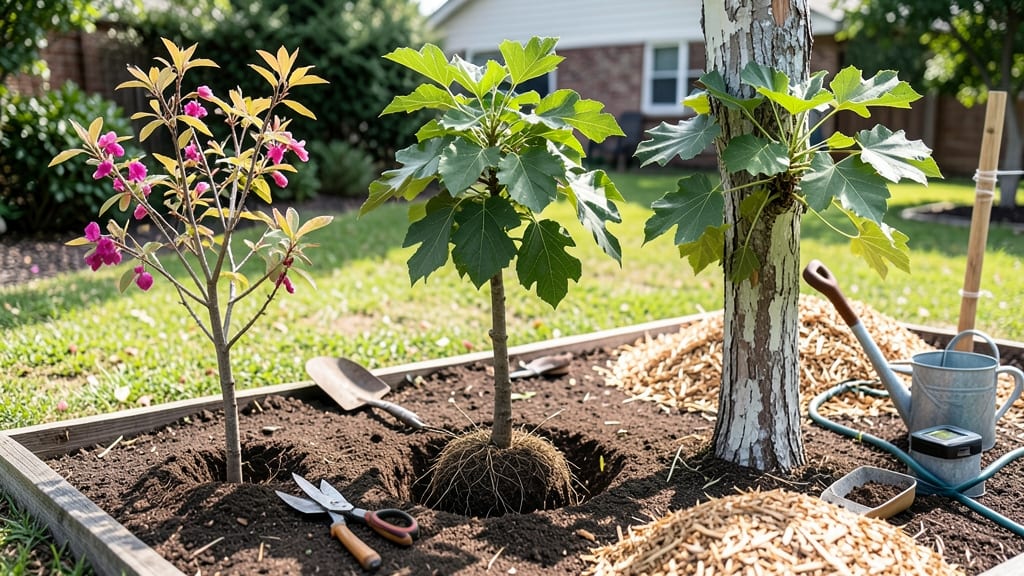
The best time to plant trees in North Texas isn’t just a season—it’s a survival strategy. With scorching summers and chilly winters, picking the wrong window can turn your 🌳 into a struggling underdog. Whether you're in Dallas or Lubbock, timing matters more than you think.
Fall and early spring are your golden opportunities, but why? Cooler temps and consistent rainfall give roots the perfect chance to establish without stress. I’ll break down exactly which months work best for your specific area—so you can avoid the 100°F planting disasters that doom trees before they start.
You might assume "spring" is always best, but in North Texas’s Zone 8a, late fall planting often gives trees a head start. I’ll show you how to adjust for drought-resistant species and when to skip planting entirely—because some months are just too risky.
Ready to plant with confidence? Let’s dive into the science-backed months that’ll turn your tree into a thriving shade provider—not a sad, wilted memory. Your future 🌳’s success starts with the calendar.
North Texas planting zones: microclimate-specific months for tree survival
North Texas isn’t one-size-fits-all when it comes to tree planting. The Dallas-Fort Worth metroplex (Zone 8a) has hotter summers than the Panhandle (Zone 7b), while East Texas (Zone 8b) gets more humidity.
These microclimates create 3 distinct planting windows—each with its own risks and rewards. Let’s break down the best months for each region to ensure your tree survives its first critical year.
For Dallas-Fort Worth, the ideal window is October through November and February through March. This avoids the scorching summer heat (100°F+ temperatures) and freeze risks in December-January. The soil stays moderately moist from fall rains, giving roots a head start before dormancy.
In contrast, the Panhandle’s shorter growing season demands planting in September-October or March-April to escape its harsher winters and drier springs.
East Texas gardeners have a slightly extended window—September through November and January through March. The extra humidity helps retain soil moisture longer, but hurricane risks in late summer make late August planting risky.
Always check your local USDA zone (8a/8b) and historical frost dates (first frost: November 15, last frost: March 15) for precision.
Why timing matters: Planting outside these windows increases transplant shock by 40%. Trees planted in peak summer struggle with root desiccation, while those planted in late winter face early spring drought before roots establish. Native species like Live Oak or Cedar Elm adapt faster when planted in their optimal window.
| Region | USDA Zone | Ideal Planting Months | Key Risks | Soil Prep Tip |
|---|---|---|---|---|
| Dallas-Fort Worth | 8a | Oct-Nov, Feb-Mar | Summer drought, winter freeze | Amend clay soil with compost |
| Panhandle | 7b | Sep-Oct, Mar-Apr | Harsh winters, spring winds | Use windbreaks for young trees |
| East Texas | 8b | Sep-Nov, Jan-Mar | Hurricane season, summer heat | Test for acidic soil (pH 6.0-7.0) |
🌱 Pro Tip: Adjust for container-grown trees—they can plant year-round with consistent watering.
In Dallas-Fort Worth, October is peak planting month because soil temperatures hover around 65°F, perfect for root growth. By November, days shorten, and rainfall increases, reducing irrigation needs. February offers a second chance—soil thaws, and spring rains are on the horizon.
Avoid April planting; young roots can’t keep up with 100°F+ soil temps.
For Panhandle gardeners, September is critical—soil stays cool and moist from summer rains, while October provides a buffer before first frost. March-April works for bare-root trees, but container-grown species need extra mulch to protect roots from spring windburn.
The Panhandle’s alkaline soil (pH 7.5+) often needs sulfur amendments for acid-loving species like Pecan.
East Texas’s humidity extends the planting window, but September is riskier due to hurricane season. Prioritize October-November when rainfall averages 4-6 inches/month, keeping soil consistently moist. January-February is ideal for fruit trees like Peach or Plum, as chilling hours (300-600) are met by late winter.
Regardless of region, avoid planting during extreme heat (June-August) or freeze events (December-January). Use mulch rings (3-4 inches of wood chips) to retain moisture and
Critical tree species planting guide: fast-growing vs. drought-tolerant varieties
North Texas’ Zone 8a climate demands trees that can handle both 100°F summers and occasional freezing nights. But not all species thrive when planted in the same window. Fast-growing varieties like Sycamore need the coolth of spring, while drought-tolerant Live Oaks can handle late fall’s dry spells.
Here’s how to match your tree to the planting season for maximum survival.
Fast-growing trees like Red Maple or Crape Myrtle establish roots quickly in March-April, giving them a head start before summer’s heat. But if you’re planting in October-November, opt for drought-resistant species like Cedar Elm or Texas Redbud, which can tolerate cooler soils and less frequent watering.
The wrong match? Your tree could struggle—or worse, die—before its first summer.
| Species | Best Planting Window | Growth Rate | Drought Tolerance | Spacing (ft) |
|---|---|---|---|---|
| Sycamore | March-April | Fast | Moderate | 40-60 |
| Live Oak | October-November | Slow-Moderate | High | 60-80 |
| Cedar Elm | February-March | Moderate | Very High | 30-50 |
| Red Maple | March-April | Fast | Moderate | 30-40 |
| Texas Redbud | October-November | Slow | Moderate | 20-30 |
Pro tip: Bare-root trees (like Live Oaks) should always go in dormant seasons—late fall or early spring—because their roots are exposed and vulnerable. Container-grown trees, however, can handle year-round planting in North Texas, but avoid summer heat (June-August) when roots can bake in the soil.
If you must plant in summer, choose shaded days and water daily for the first month.
Spacing is critical too. A Live Oak needs 60-80 feet of space to avoid root competition, while a Cedar Elm can thrive in tighter spots (30-50 feet).
Plant too close, and you’ll end up with stunted growth or even tree death from root girdling. Always check the mature size before digging!
For fastest results, pair your planting window with the right species. A Sycamore planted in March could reach 10 feet by its first summer, while a Live Oak planted in November will focus on root growth before spring’s heat arrives.
Your goal? A tree that survives its first year and thrives for decades.
Need a shortcut? Stick to native species like Eastern Redbud or Pecan—they’re already adapted to North Texas’ climate extremes. Just remember: Plant in the right window, and your tree will thank you with shade, beauty, and longevity. 🌳