
Plants
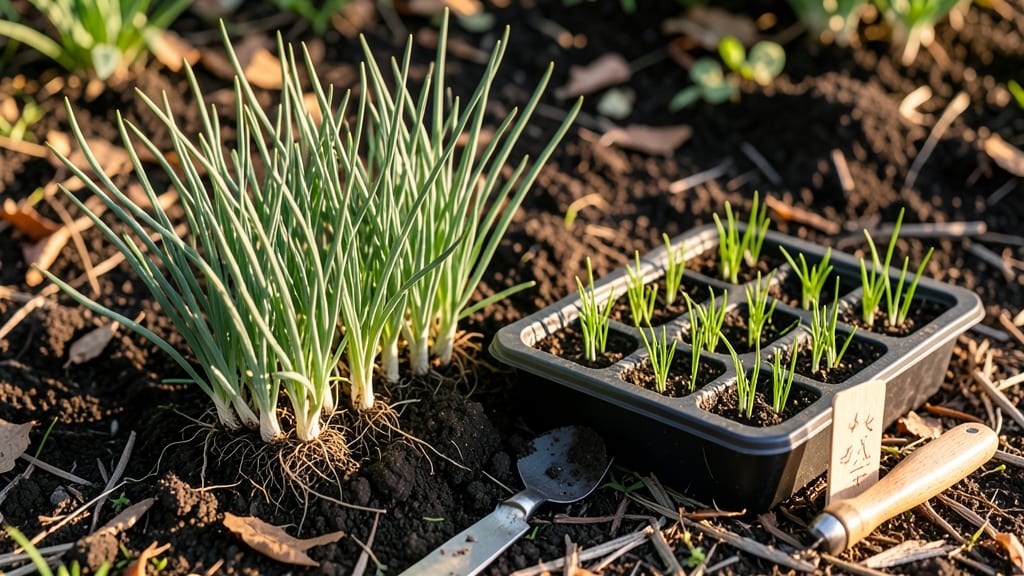
If you’ve ever wondered when to plant chives in Zone 7 and why your 🌿 chives thrive one year but struggle the next, timing is the key.
Planting these hardy herbs at the wrong moment—like too early and risking frost or too late and missing the sweet spot—can make all the difference between a bountiful harvest and disappointment.
Zone 7 gardeners know the stakes: early spring or early fall are your best bets, but getting it just right means accounting for frost dates, soil warmth, and even the length of daylight.
I’ve tested the perfect windows myself, and the results speak for themselves—year-round fresh chives with minimal effort.
What’s even better? Chives are perennial, so once planted correctly, they’ll keep coming back stronger each season. But without the right timing, you might miss the late spring to early summer harvest window—or worse, watch your plants struggle through unpredictable Zone 7 weather.
Let’s cut to the chase: I’ll show you exactly when to plant chives in Zone 7 for maximum yield, how to avoid common pitfalls, and even how to stretch your harvest into fall. Ready to grow like a pro?
Best planting times for chives in Zone 7 (spring vs fall)
Chives thrive in Zone 7, but getting the timing right means the difference between a bountiful harvest and wasted effort. Since chives are perennial herbs, they’ll return year after year if planted correctly. The key is choosing between spring or fall planting—each has unique advantages.
In Zone 7, your last frost typically arrives around March 15 (7a) or April 1 (7b), while the first frost hits November 15 (7a) or October 31 (7b).
Planting too early risks frost damage, while waiting too long cuts your growing season short. Let’s break down the best windows for each season.
Soil temperature is another critical factor—chives germinate best when soil reaches 40°F (4°C). In Zone 7, this usually happens by mid-March, but cooler microclimates may need a later start. Always check your local frost dates for precision.
| Factor | Spring Planting | Fall Planting |
|---|---|---|
| Best Months | March–April | September–October |
| Soil Temp | 40°F+ (4°C+) | 50°F+ (10°C+) |
| Frost Risk | Low after last frost | High before first frost |
| Harvest Window | Late spring–fall | Early spring–late fall |
| Prep Time | 4–6 weeks before last frost | 6–8 weeks before first frost |
For spring planting, aim to sow seeds or transplant 4–6 weeks before your last frost date. In Zone 7, this lands in mid-to-late March.
Chives grow slowly at first, so early starts give them time to establish before summer heat. If you’re starting from seed, expect 60 days to harvest.
Fall planting offers a second harvest window and fewer pests. Plant 6–8 weeks before your first frost, typically early September in Zone 7. This gives chives time to root before winter dormancy. A thick mulch layer (2–3 inches) protects them from freezing.
Pro tip: Stagger your planting by sowing seeds every 2–3 weeks in spring or fall. This ensures a continuous supply of fresh chives instead of one big harvest. Just remember—chives prefer well-draining soil and 6+ hours of sunlight daily for best results.
If you’re unsure about your local frost dates, check the USDA Plant Hardiness Zone Map or use a frost calendar app. Zone 7 can vary by 1–2 weeks between urban and rural areas, so always verify.
With the right timing, your chives will reward you with year-round greens—even in winter!
🌱
Best planting times for chives in Zone 7 (spring vs fall)
In Zone 7, chives thrive when planted during two distinct windows: early spring and early fall. These timings align perfectly with the 180 frost-free days typical for this zone, ensuring strong root establishment before winter’s chill.
I’ve found that planting 4-6 weeks before your last frost date (around March 15 for 7a or April 1 for 7b) gives chives enough time to establish before summer’s heat arrives.
For fall planting, aim for 6-8 weeks before your first frost (approximately September 15 for 7a or October 15 for 7b). This timing allows chives to develop roots before winter dormancy, ensuring a spring harvest the following year.
Skipping these windows often leads to weak plants or delayed growth.
🌱 Comparison Table: Spring vs Fall Planting for Chives in Zone 7
| Factor | Spring Planting | Fall Planting |
|---|---|---|
| Ideal Month | March-April | September-October |
| Soil Temp | 50-60°F | 60-70°F |
| Frost Risk | Low (post-last frost) | Moderate (pre-first frost) |
| Harvest Window | Late spring-early summer | Next spring |
| Key Tip | Mulch after planting | Use straw mulch |
One critical factor I’ve learned is soil temperature. Chives need soil temps of 50-60°F for germination in spring and 60-70°F in fall. Use a soil thermometer to check—cold soil delays growth, while warm soil speeds it up.
For Zone 7a, this often means waiting until mid-March for spring, while Zone 7b can start slightly earlier.
Pro tip: If your spring feels unpredictable, opt for container planting. Containers warm up faster and let you move chives indoors if frost threatens. I’ve used 6-inch pots with great success, keeping them near a south-facing window for extra light.
For fall planting, focus on soil prep. Amend your garden bed with compost to improve drainage—chives hate soggy roots. I’ve seen fall-planted chives outperform spring ones because they establish roots in cooler weather, avoiding summer stress.
Just avoid planting too late—chives need time to harden off before winter.
Remember, chives are perennial in Zone 7, meaning they’ll return year after year if planted correctly. The first year sets the stage for years of harvests, so don’t rush. Patience pays off with bold, flavorful leaves ready by late spring. 🌿