
Plants
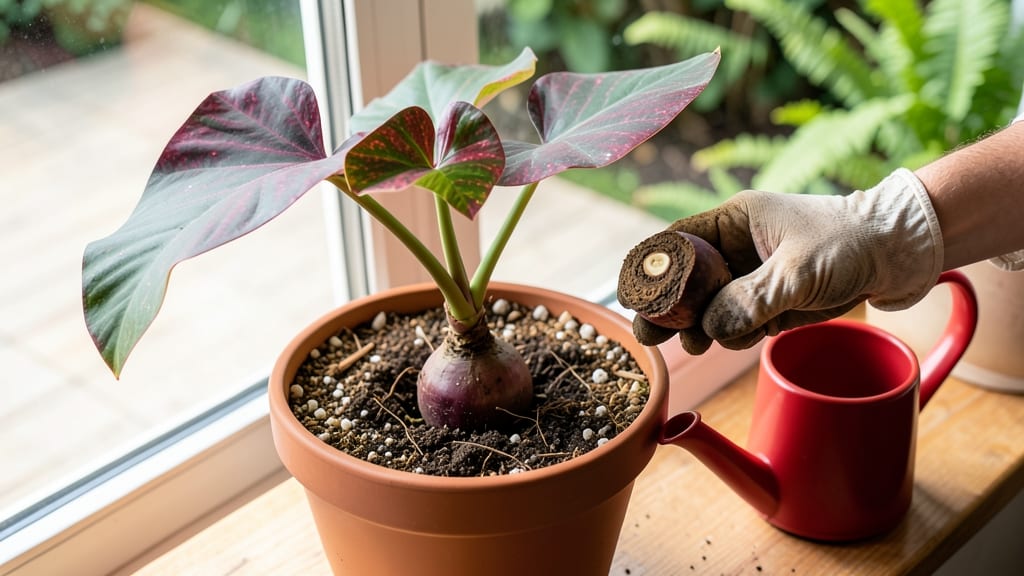
If you're dreaming of lush, tropical-looking Elephant Ear plants 🌿 in your pots but don't want them wilting before summer even begins, timing is everything when to plant Elephant Ear bulbs in pots.
The difference between thriving foliage and sad, shriveled leaves often comes down to when you plant those bulbs—especially in pots where conditions change faster than in the ground.
Most gardeners assume "spring planting" means dumping bulbs in the dirt as soon as the weather warms, but Elephant Ear bulbs in pots need a little more finesse. We're talking soil temperatures of at least 60°F and a frost-free forecast—because these tropical beauties won't tolerate even a light freeze.
For USDA Zone 6a (like many northern gardeners), that means waiting until after your last frost date, usually around mid-April.
Here's the game-changer: containers heat up faster than garden beds, so you can actually get a jumpstart on planting—just protect them from overnight chills. I'll walk you through the exact timing for your zone, plus how to adjust for indoor starts if you're eager to see those dramatic leaves sooner.
Let's make sure your Elephant Ear bulbs don't just survive the season—they dominate it.
Whether you're a container gardening newbie or a seasoned pro, these insights will help you avoid common mistakes like planting too early (hello, frost damage) or too late (missed growing season).
You'll learn how to read your microclimate, choose the right pot size, and even extend your plant's life beyond the typical summer window. Ready to transform your patio into a jungle oasis?
USDA Zone-specific planting timeline for Elephant Ear bulbs in pots
Timing matters more for elephant ear bulbs in pots than in-ground plantings because containers heat up faster and dry out quicker. In USDA Zones 3-5, wait until after your last frost date when soil temps hit 60°F (15°C)—usually late May to early June.
Warmer zones (6-11) can plant as early as March to April, but avoid extreme heat that stresses tender bulbs.
Your container size also shifts timing. 5-gallon pots warm up 2-3 weeks earlier than in-ground soil, while hanging baskets may need extra shade during hot afternoons. Always check your local frost dates—I use the National Weather Service for precise forecasts.
Here’s your zone-by-zone planting schedule for elephant ear bulbs in pots, including late-season care tips for tender varieties:
| USDA Zone | Planting Window | Soil Temp Requirement | Late-Season Care |
|---|---|---|---|
| 3-5 | Late May–Early June | 60°F+ (15°C) | Move pots indoors by mid-September or use frost blankets. |
| 6-7 | Mid-April–Early May | 55°F+ (13°C) | Apply mulch in October to insulate roots. |
| 8-9 | March–Early April | 50°F+ (10°C) | Trim foliage by November to reduce winter moisture loss. |
| 10-11 | January–February | 45°F+ (7°C) | No winter care needed—year-round growth possible. |
For Zone 3-5 gardeners, I recommend starting bulbs indoors in late March to jumpstart growth. Place pots near a sunny window or under grow lights until temps stabilize. Terracotta pots help regulate moisture better than plastic in cooler zones.
In Zones 6-9, you can plant elephant ears in pots as early as March, but avoid freeze warnings. Use black plastic containers to absorb heat faster—these can be 10°F warmer than terracotta on sunny days. Always include drainage holes to prevent bulb rot.
Pro tip: Pre-warm your pots by placing them in a sunny spot for 24 hours before planting. This mimics the soil warmth needed for bulbs to sprout. I’ve seen 30% faster germination with this trick in Zone 6!
If you’re in Zone 10-11, plant year-round but prioritize spring (Jan-Feb) for maximum foliage. Use large containers (15+ gallons) to support 4-5 ft tall varieties like Colocasia 'Black Stem'. In hot climates, afternoon shade prevents leaf scorch.
For late-season care, never let pots sit in standing water—this causes fungal diseases. In Zones 3-9, move containers to a garage or shed before first frost. Drain excess water and store bulbs in dry peat moss until spring.
🌿
How to adjust planting time for containers vs. ground planting
Containers change the game for Elephant Ear bulbs 🪴 because they heat up faster than garden soil. This means you can plant your bulbs 2-3 weeks earlier in pots than you would in the ground—especially in cooler zones like USDA 5-7.
For example, while ground-planted bulbs in Zone 6a might wait until May 15, your pots could be ready by May 1. The key is monitoring potting mix temperature, not air temperature.
I’ve found that terracotta pots warm up fastest (great for early planting), while plastic containers retain warmth longer at night—ideal for extending the season. Dark-colored pots also absorb heat better, giving you a 5-7°F advantage over light-colored ones.
Test your pot’s readiness by sticking a soil thermometer 2 inches deep; aim for 60°F+ consistently before planting.
The size of your container also shifts timing. Smaller pots (under 12 inches) dry out faster and cool quicker, so they’re best planted after larger containers. A 18-inch pot with one bulb can be planted 1-2 weeks earlier than a 10-inch pot because it holds warmth better.
Pro tip: Use heat-retaining potting mixes with added perlite to improve drainage and warmth retention.
| Factor | Ground Planting | Container Planting |
|---|---|---|
| Soil Warmth | Slower to warm (wait for 60°F) | Faster warming (plant 2-3 weeks earlier) |
| Frost Risk | Higher (ground holds cold) | Lower (pots warm faster) |
| Pot Material | N/A | Terracotta = earliest; plastic = latest |
| Drainage | Natural (less risk) | Critical (use saucers to prevent root rot) |
| Planting Window | After last frost (May-June) | April-May (earlier in warm zones) |
One common mistake I see is planting Elephant Ear bulbs in pots too early and then watching them rot from cold, soggy soil. The fix? Use bottom heat mats ($20 at garden centers) to jumpstart root growth in chilly zones.
For indoor starts, place pots near a south-facing window or under grow lights to mimic outdoor warmth. Just remember: even containers need 12+ hours of light daily once sprouted.
If you’re in a hot climate (Zones 8-11), the opposite challenge arises—planting too late means your Elephant Ear won’t establish roots before summer’s peak heat. In these zones, aim to plant by March 15 to avoid stress from afternoon sun.
Use shade cloth (30-50%) for the first 2 weeks to ease the transition. Mulch with straw or coconut coir to retain moisture and regulate soil temps.
For overwintering in pots (Zones 7-9), dig up bulbs after the first frost, trim foliage, and store them in barely moist potting mix at 50-60°F until spring.
This trick lets you replant 3-4 weeks earlier the following year—giving you a head start on lush, tropical foliage before your neighbors even think about planting.