
Plants
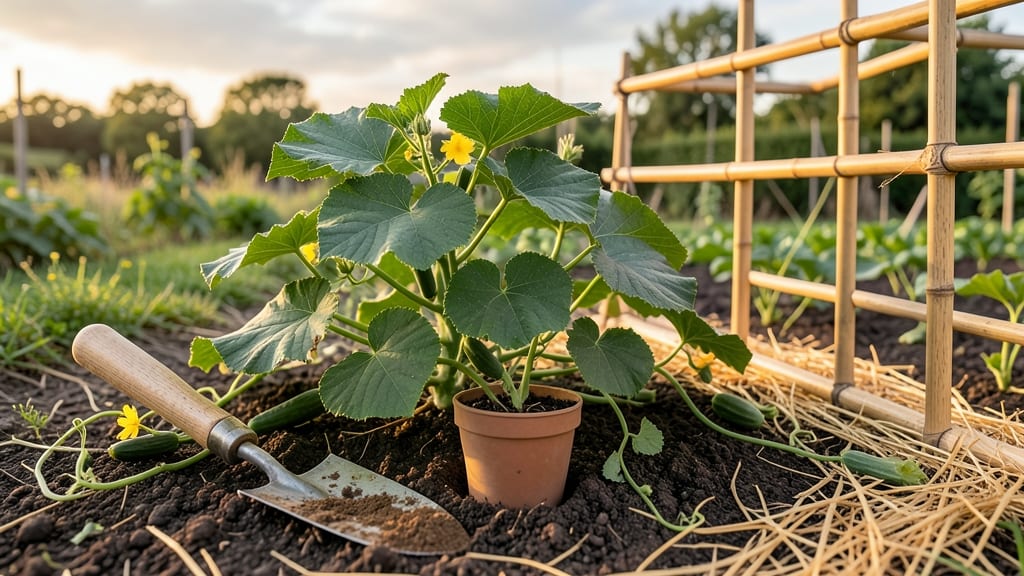
Planting cucumbers in South Texas at the wrong time means watching your plants wilt under the relentless sun—or worse, bolt into flowers before you even get a harvest. But with the right timing, you can beat the heat and enjoy crisp, homegrown 🥒 all season long.
Here’s the secret: South Texas’s 9a-10a climate demands precision. Skip the guesswork and plant during the two ideal windows—mid-February to late March for spring or late July to early August for a fall crop.
This isn’t just luck; it’s about aligning with soil temps of 60°F+ and avoiding the brutal summer peak.
Why does timing matter so much? Cucumbers are heat-sensitive but also frost-fragile. Plant too early, and the last frost (around February 1) will kill them. Too late, and the 100°F+ afternoons will scorch leaves before fruit sets.
I’ll show you exactly how to time it right—plus the best varieties to survive South Texas’s extremes.
Ready to grow cucumbers that thrive, not just survive? Let’s dive into the exact weeks, soil prep, and heat-beating strategies that’ll turn your garden into a productive oasis—no matter how hot it gets.
Optimal planting weeks for cucumbers in South Texas’s extreme heat zones
South Texas’s USDA zones 9a-10a demand precise timing for cucumbers—plant too early, and heat stress kills seedlings; too late, and you miss the spring harvest window. The key is aligning your planting with soil temperatures and heat thresholds cucumbers can tolerate.
For most of South Texas, this means mid-February to late March for spring crops and late July to early August for fall harvests.
Cucumbers thrive when soil stays above 60°F and nighttime temps remain above 50°F. In zone 10a, where winters are milder, you can start as early as late January under protective covers. However, in zone 9a, wait until mid-February to avoid blossom drop from sudden heat spikes.
Always check your local frost-free date—South Texas’s last frost typically falls around February 1, but microclimates near the coast may see earlier warmth.
Here’s the exact planting schedule broken down by South Texas’s most common heat zones, including soil prep tips to ensure germination success:
| Zone | Spring Planting Window | Soil Temp Threshold | Fall Planting Window | Key Consideration |
|---|---|---|---|---|
| 9a (e.g., San Antonio) | Mid-February to late March | 60°F+ | Late July to early August | Use row covers for early starts |
| 9b (e.g., Austin) | Late January to early March | 60°F+ | Early August to mid-September | Stagger plantings every 2 weeks |
| 10a (e.g., Corpus Christi) | Late January to February | 65°F+ | Mid-July to late August | Direct sow after last frost |
For spring plantings, I recommend starting seeds indoors 4-6 weeks before your target outdoor date. Use biodegradable pots to avoid transplant shock. Harden off seedlings by placing them outdoors for 2-3 hours daily starting 10 days before transplanting.
In South Texas’s heat, transplant in the late afternoon to reduce stress on young plants.
If you’re aiming for a fall harvest, focus on late July to early August plantings. Cucumbers grown in fall benefit from cooler temperatures and longer daylight, which slows bolting.
Use black plastic mulch to warm the soil faster and drip irrigation to maintain moisture during South Texas’s 100°F+ afternoons. Avoid overhead watering—it spreads powdery mildew, a common cucumber enemy in humid climates.
Pro tip: Monitor your local heat advisories. When daytime temps exceed 95°F, cucumbers may stop producing flowers. If this happens, provide afternoon shade cloth (30-50%) to protect plants without stunting growth. Remove shade as temps drop below 90°F to ensure photosynthesis continues.
Finally, always rotate your planting locations yearly to prevent soil-borne diseases like cucumber mosaic virus. Cucumbers are heavy feeders, so amend your soil with compost or aged manure before planting. This boosts organic matter, helping roots access moisture during dry spells.
With these heat-zone-specific strategies, you’ll avoid the common pitfalls of South Texas gardening—wilting seedlings, bitter fruit, and poor yields. Next up: Discover the top 5 heat-resistant cucumber varieties that thrive in 100°F+ temps without breaking a sweat. 🌱
Pro tips to beat South Texas heat: watering, mulching, and shade strategies
South Texas’s summer sun can turn your cucumber vines into crispy critters faster than you can say “heat stress.” But with the right strategies, you can keep your plants thriving even when temps hit 100°F+.
The key? Consistent moisture, protective mulch, and smart shade solutions. Let’s break down the must-do tactics to save your cucumbers from wilting.
First, water deeply in the morning—never at night. Wet leaves in the evening invite fungal diseases like powdery mildew, which thrives in the 90% humidity South Texas summers bring.
Aim for 1-2 gallons per plant every 2-3 days, soaking the soil until it’s damp 6 inches deep. Use a soaker hose or drip irrigation to avoid wetting foliage.
Next, mulch heavily with straw or black plastic to lock in moisture and block weeds. Straw mulch reflects sunlight away from roots, while black plastic absorbs heat (great for bush varieties that need extra warmth).
Apply a 3-4 inch layer around plants, keeping it 2 inches away from stems to prevent rot.
For extreme heat waves (think 105°F+), temporary shade can be a lifesaver. Use shade cloth (30-50%) draped over a hoop system to reduce leaf stress. Focus on young plants or flowering vines, as mature cucumbers can handle more sun.
Remove shade cloth by mid-afternoon to avoid shade shock when temps drop.
Don’t forget to prune strategically! Trim lower leaves to improve airflow and reduce fungal risks. Remove yellow or diseased leaves immediately—they’re magnets for pests like cucumber beetles, which love South Texas’s warm winters. A quick spray of neem oil can keep them at bay without harsh chemicals.
Finally, feed lightly but often during heatwaves. Use a balanced fertilizer (10-10-10) every 4-6 weeks to replace nutrients lost in frequent watering. Avoid heavy nitrogen—it promotes leafy growth over fruit. Instead, opt for potassium-rich fertilizers to boost heat tolerance and disease resistance.