
Plants
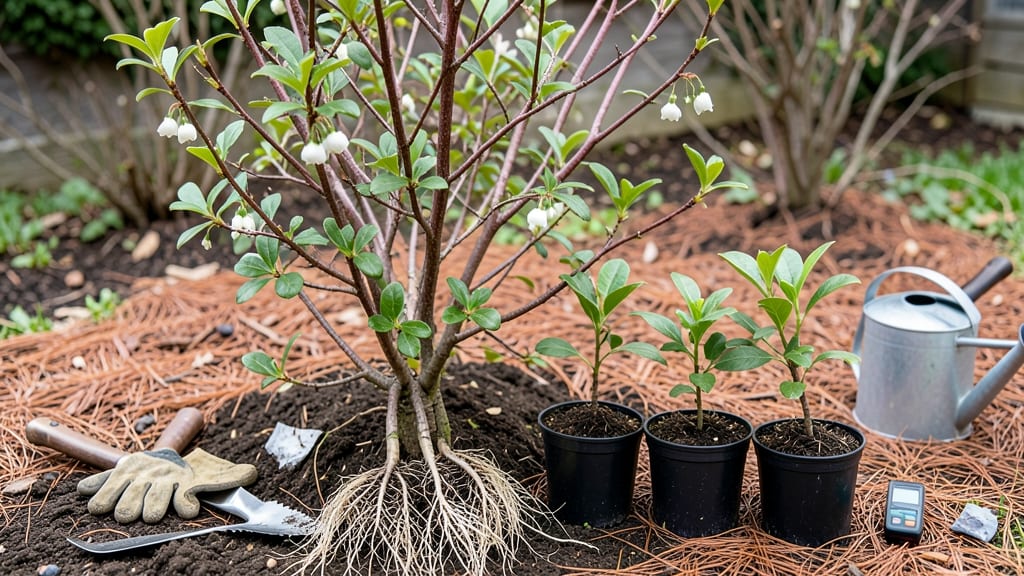
Planting a blueberry bush 🫐 in Michigan at the wrong time could mean struggling with slow growth or even losing your investment—but get the timing right, and you’re setting up years of juicy harvests with minimal effort.
Michigan’s 5b-6b climate gives you two ideal windows: late spring after the last frost or fall before winter sets in.
Most gardeners in Michigan swear by fall planting (September-October) because cooler temps help roots establish before winter, while spring planters (April-June) must wait until soil warms and frost risk passes.
The key is understanding your local microclimate—whether you’re near the Great Lakes or inland—since these can shift planting windows by weeks.
If you’ve ever wondered why your blueberry bushes underperform, the answer might be in the soil. Michigan’s alkaline earth needs acid-loving amendments, and planting at the wrong time can delay root development.
I’ll walk you through the exact months to plant, plus soil prep secrets to ensure your blueberry bush 🫐 thrives from day one.
Ready to grow a thriving blueberry patch? Let’s break down the best months for your zone, plus pro tips to avoid common mistakes that waste time and money. Your perfect harvest starts with the right timing—and I’ve got you covered.
Michigan’s best planting months for blueberry bushes by hardiness Zone
Michigan’s USDA Zones 4-6 create unique challenges for blueberry growers, where frost dates shift dramatically from northern to southern regions. The last spring frost typically arrives April 15 in southern Michigan but can linger until May 15 in the Upper Peninsula.
This variability means your planting window must align with both soil temperatures (ideally 45°F+) and frost-free predictions.
For southern Michigan (Zones 5b-6a), the safest planting windows are late April through early June (spring) or September through mid-October (fall). Northern regions (Zones 4a-5a) should wait until early May for spring or late August to early September for fall to avoid winter heaving from freeze-thaw cycles.
Here’s how to match your blueberry variety to Michigan’s zones—early-season types like ‘Bluecrop’ thrive in cooler northern zones, while ‘Duke’ or ‘Jersey’ suit southern Michigan’s longer growing seasons.
🌱 Key Insight: Fall planting often gives blueberries a 6-8 week head start on root growth before winter, but spring planting avoids dormant season stress in Michigan’s harsh winters.
| Zone | Spring Planting Window | Fall Planting Window | Soil Temp Requirement | Pro Tip |
|---|---|---|---|---|
| 4a (Northern MI) | Early May - Late May | Late Aug - Early Sept | 45°F+ (1 week before) | Use black plastic mulch to warm soil faster. |
| 5a (Upper Peninsula) | Late April - Early June | Mid-Sept - Mid-Oct | 50°F+ (2 weeks before) | Choose dwarf varieties for shorter growing seasons. |
| 5b (Traverse City) | Mid-April - Early June | Late Sept - Early Nov | 50°F+ (1 week before) | Test soil pH 4.5-5.5—Michigan soils are often too alkaline. |
| 6a (Detroit) | Late March - Early June | Oct - Mid-Nov | 45°F+ (sooner in urban areas) | Urban heat islands let you plant 2 weeks earlier in spring. |
| 6b (Southwest MI) | Early April - Early June | Late Sept - Late Oct | 50°F+ (1-2 weeks before) | Great Lakes effect delays frost—extend fall planting to November if mild. |
Southern Michigan’s longer frost-free season (165+ days) lets you experiment with earlier spring planting or later fall plantings. For example, in Zone 6b, you can plant as late as November 1 if soil temps stay above 40°F and you protect roots with mulch.
Northern Michigan’s shorter growing season demands precision—plant 1-2 weeks later than southern zones to avoid early frost damage. Use microclimate guides (like Michigan State University’s frost maps) to adjust timing for your specific county.
Pro Tip: Bare-root blueberries planted in fall establish roots
Fall vs. spring planting in Michigan: which gives blueberry bushes a competitive edge?
Deciding between fall and spring planting for your blueberry bush 🫐 in Michigan can feel overwhelming—but the right choice depends on your local microclimate and how quickly you want to see results.
Most Michigan gardeners prefer fall planting (September-October) because cooler temperatures reduce transplant shock, allowing roots to establish before winter dormancy. However, spring planting (April-June) works well if you’re in a warmer southern Michigan zone or missed the fall window.
Fall planting gives roots a head start by letting them grow in cool soil before winter, while spring planting lets you avoid early frost risks. The Great Lakes can also shift these windows—areas near water may have warmer springs and cooler falls, so adjust accordingly.
Let’s weigh the pros and cons to help you decide what works best for your garden.
Fall Planting (Sept-Oct)
- Pros: Roots establish before winter, less transplant shock, earlier fruiting next season
- Cons: Limited time to prep soil, risk of early frost in northern zones
Spring Planting (Apr-June)
- Pros: Longer growing season for root establishment, avoids fall prep rush
- Cons: Higher transplant shock risk, slower first-year growth
For northern Michigan (Zone 5b), fall planting is ideal—aim for mid-September to early October before the first frost. In southern Michigan (Zone 6b), you can extend fall planting to late October or even plant in early November if soil stays workable.
Spring planters should wait until after the last frost (mid-April) and ensure soil temperatures are above 45°F (7°C) for optimal root growth.
If you’re near the Great Lakes, expect cooler springs and warmer falls—adjust your timeline by 2-3 weeks later than inland areas. Urban heat islands can also create microclimates where spring planting might be safer. Always check your local USDA Zone and historical frost dates to fine-tune your timing.
Pro tip: If you’re unsure, fall planting wins for most Michigan gardeners because it gives your blueberry bush 🫐 a stronger start. Just prepare your soil in August so it’s ready when you’re ready to plant.
And remember—whether you choose fall or spring, acidic soil (pH 4.5-5.5) and full sun are non-negotiable for success.