
Plants
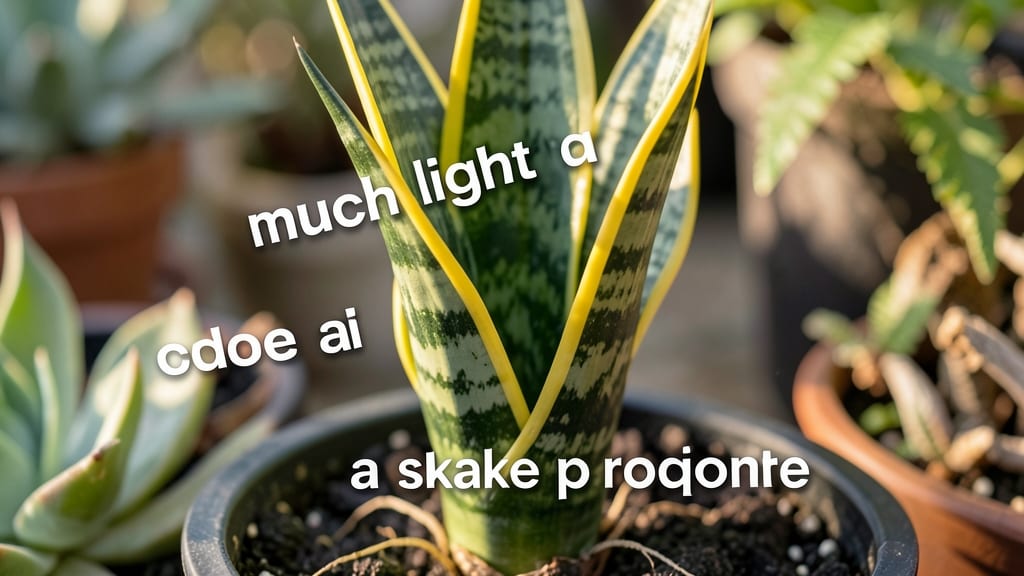
If you’ve ever wondered how much light does a snake plant require to go from sad, leggy twig to lush, thriving houseplant, the answer might be simpler than you think—it’s all about light.
This hardy plant is famous for surviving in forgetful hands, but even the toughest snake plant needs the right amount of brightness to truly shine.
Here’s the thing: your snake plant isn’t picky, but it’s not a fan of extremes. Too little light, and it stretches toward the nearest window like a sleepy cat seeking warmth. Too much direct sun, and those gorgeous green leaves can turn crispy at the edges.
The sweet spot? Bright, indirect light—think of it as the plant equivalent of a cozy reading nook, where the sun’s rays are soft and inviting.
What makes this even better? You don’t need a sunroom or a greenhouse to make it work.
Whether you’re tucked into a 6a zone apartment with only a north-facing window or living in a brighter space, I’ll show you exactly how to give your snake plant the perfect light conditions—no guesswork required.
Ready to turn your snake plant from struggling to stunning? Let’s dive into the light secrets that’ll have it thriving year-round, with minimal effort on your part.

Ideal light requirements for snake plants: balancing growth and survival
Snake plants (Sansevieria trifasciata) are famous for their adaptability, but even they need the right light conditions to thrive. Unlike sun-loving plants, snake plants prefer bright indirect light but can handle low-light conditions better than most houseplants.
The key is understanding their light tolerance range—too little light slows growth, while too much can scorch their leaves.
In nature, snake plants grow in African savannas where they adapt to partial shade and intense afternoon sun. This dual tolerance translates perfectly to indoor environments, making them ideal for beginner gardeners or busy plant parents.
However, pushing their limits—like placing them in direct southern sun—can lead to leaf burn or yellowing tips.
📊 Light Requirements Summary for Snake Plants
| Light Condition | Ideal Placement | Growth Impact |
|---|---|---|
| Bright Indirect Light | 2-3 feet from east/west windows; 3-4 feet from south windows | Optimal growth, vibrant leaves, minimal stress |
| Low Light (e.g., north-facing rooms) | Corner of dimly lit rooms, under fluorescent lights | Slower growth, leggy stems, pale leaves |
| Direct Sunlight (south/west windows) | Avoid prolonged exposure; use sheer curtains | Brown patches, crispy edges, weakened structure |
For maximum health, aim for 10-14 hours of indirect light daily. This mimics their natural habitat where they receive dappled sunlight through trees.
If you notice your snake plant stretching toward a window, it’s begging for more light—a sign of etiolation, where stems elongate to reach sunlight. Rotate your plant quarter-turns every 2 weeks to ensure even growth and prevent lopsided development.
One of the most misunderstood aspects of snake plant care is their ability to survive in low-light offices. While they won’t thrive, they won’t die either. In such conditions, expect slower growth and darker leaves, but they’ll still purify the air.
If you’re using your snake plant as a natural air purifier, prioritize moderate indirect light for best results—studies show their air-cleaning abilities peak with adequate light exposure.
Outdoor snake plants can handle partial shade in gardens, especially in USDA Zone 9-11. In cooler climates (Zones 6-8), treat them as container plants and bring them indoors before first frost.
A porch or patio with morning sun and afternoon shade is perfect. Just avoid placing them in full sun without acclimation—gradually introduce them to brighter conditions over 1-2 weeks to prevent shock.
Pro tip: Use a light meter (or your phone’s lux app) to measure light levels. Snake plants thrive in 200-500 lux of indirect light. If your space drops below 100 lux, supplement with a 10W LED grow light for 12 hours daily.
This mimics natural daylight and prevents nutrient deficiencies that cause weak, yellow leaves.
Ever noticed how snake plants in nurseries often have taller, straighter leaves? That’s because they’re grown under controlled light conditions. Recreate this at home by placing your plant near a west-facing window (gentler afternoon light) or under a grow light bulb with a cool white spectrum.
Avoid warm-toned bulbs, which can stress the plant by mimicking sunset conditions too closely.
Remember, snake plants are forgiving, but they’re not indestructible. If you’re unsure about your space’s light levels, start with moderate indirect light and adjust based on leaf color and growth patterns.
Over time, you’ll develop an instinct for what your snake plant truly needs—just like reading its visual cues 🌱.
Ideal light requirements for snake plants: balancing growth and survival
Your snake plant thrives in bright indirect light, making it perfect for homes with limited natural light. Unlike sun-worshipping plants, it doesn’t need harsh sunlight—just enough to fuel its slow, steady growth.
In fact, 6 hours of indirect light daily is ideal, though it can adapt to as little as 2-4 hours in low-light conditions.
The key is avoiding direct sun, which can scorch those striking variegated leaves. Think of it like a north-facing window where sunlight filters through sheer curtains. This setup mimics the plant’s natural habitat in West African savannas, where it grows under the dappled shade of taller grasses.
| Light Condition | Daily Hours | Leaf Response | Best For |
|---|---|---|---|
| Bright Indirect | 4-6 hours | Deep green, upright | Optimal growth |
| Low Light | 2-4 hours | Pale, elongated | Survival mode |
| Direct Sun | >2 hours | Brown/yellow tips | Avoid at all costs |
If you’re placing your snake plant near a window, position it 2-3 feet away to diffuse the light naturally. For variegated varieties like 'Futura Superba,' even more indirect light is crucial—their white stripes need protection from fading. Pro tip: Rotate your plant every 4-6 weeks to ensure even growth.
In low-light conditions, your snake plant will slow its growth but won’t die—it’s built for survival. However, if leaves stretch unusually tall (a condition called etiolation), it’s begging for more light. Conversely, crispy brown edges mean it’s getting too much direct sun, especially in south-facing windows during summer.
For outdoor growers in USDA Zone 6a, your snake plant can handle partial shade in summer but needs morning sun only to prevent leaf burn. In winter, it can tolerate full sun as days grow shorter.
The secret? Mimic its natural seasonal light cycles—just like how it thrives under the African savanna’s shifting sun patterns.
Remember, your snake plant’s light needs are flexible but not unlimited. It’s the ultimate low-maintenance plant, but even tough survivors need the right conditions to flourish—not just survive.
With the right light balance, you’ll see thicker leaves, darker green hues, and faster growth—proof that even the simplest care can yield stunning results.