
Plants
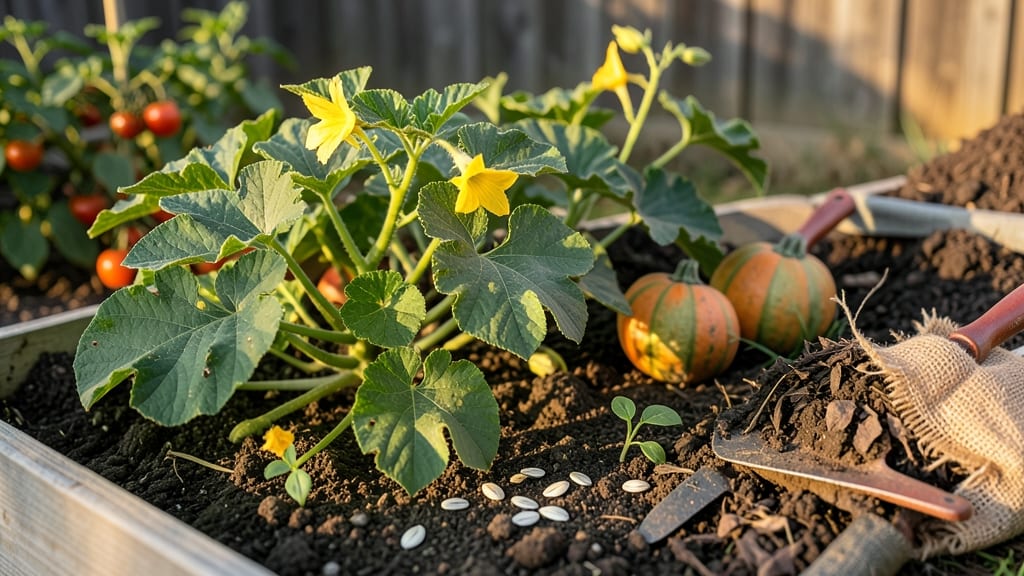
Planting pumpkins in Indiana isn't just about tossing seeds into the dirt—it's about catching the perfect window between frost and summer heat to grow those jack-o'-lantern-worthy 🎃 giants. Get it wrong, and you're either staring at wilted vines or scrambling to save a late-season harvest before the first frost bites.
I've learned the hard way that Indiana's Zone 5b-6b climate demands patience—waiting until soil warms to at least 60°F makes all the difference between thriving pumpkins and sad, stunted plants.
Most gardeners here swear by mid-April to early June as the sweet spot, but there's more to it than just dates.
You'll discover how to read your local frost data, adjust for Indiana's unpredictable springs, and choose between seeds or transplants for maximum success. Let's break down the exact timing and tricks that'll have you harvesting pumpkins by October—just in time for carving or baking.
The key isn't just when you plant, but how you prepare your soil and protect your young plants from Indiana's infamous late frosts. I'll share the proven methods that turn first-time gardeners into pumpkin-growing pros by fall.
Indiana pumpkin planting timeline: frost dates & soil temperature rules
Indiana’s USDA Zones 5b-6b create a unique challenge for pumpkin growers—late springs and early frosts demand precision. The key to success lies in understanding two critical factors: last frost dates and soil temperature thresholds.
For most of Indiana, the average last frost date falls between April 15-30, but this can vary by 1-2 weeks depending on your county.
However, pumpkin seeds won’t germinate until the soil reaches 60°F or warmer. In northern Indiana (Zone 5b), this typically happens around mid-to-late May, while southern Indiana (Zone 6b) may see suitable conditions as early as early May.
Planting too soon risks frost damage to young seedlings, while waiting too long shortens the growing season.
To pinpoint your exact planting window, check the Indiana State Climate Office or local Cooperative Extension Service for your county’s 30-year frost averages. For example, in Fort Wayne, the last frost is April 22 on average, but soil may not warm until May 10.
Adjust your timeline accordingly.
Here’s the golden rule: Plant pumpkins 2-3 weeks after your last frost date, but only when soil temperatures consistently stay above 60°F. This typically lands Indiana gardeners in the late April to early June window. For example, in Indianapolis, this means aiming for May 1-15.
🎃Pro Tip: Use a soil thermometer ($10 at garden centers) to verify warmth before planting. Stick it in the ground 1 inch deep (where seeds will go) and wait until readings hit 60°F for 3+ days.
Indiana Pumpkin Planting Timeline
| Stage | Action | Indiana Timeline |
|---|---|---|
| Soil Warmth Check | Test soil temp at 1" depth | Mid-April to early May (Zone 6b) / Late May (Zone 5b) |
| Last Frost Date | Confirm frost-free period | April 15-30 (varies by county) |
| Ideal Planting Window | Plant seeds 1" deep, 2-3 per hill | Late April (Zone 6b) / Early June (Zone 5b) |
| Germination | Sprouts appear in 5-10 days | Early May to mid-June |
| First Frost Risk | Harvest before first frost (mid-October) | September 15-October 15 |
🌱 Note: Adjust for microclimates—south-facing slopes warm faster!
If you’re planting transplants (not seeds), shift your timeline 2 weeks earlier. Transplants handle cooler soil better and give you a head start. However, Indiana’s unpredictable spring weather means even transplants can struggle if a late frost hits.
To hedge your bets, use row covers or plant near a south-facing wall to create a warmer microclimate.
For giant pumpkin varieties (like Atlantic Giant), aim for the earliest possible window—these need 120+ days to mature. In northern Indiana, this might mean starting seeds indoors in March and transplanting after the last frost.
Southern Indiana gardeners have more flexibility but should still plant by mid-May to ensure harvest before frost.
💡 Indiana-Specific Hack: Use black plastic mulch to warm soil faster. Lay it down 2 weeks before planting to raise soil temps by 5-10°F, giving you an earlier start. Just remove it after planting to avoid overheating seedlings.
Finally, remember that pumpkins need space. Vines spread 10-20 feet, so plan your garden layout now. In tight spaces, opt for bush varieties like ‘Jack Be Little’, which mature in 75 days and stay compact. These are perfect for late June plantings in Indiana.
Indiana pumpkin planting timeline: frost dates & soil temperature rules
Indiana’s Zone 5b-6b climate means pumpkin seeds won’t survive if planted too early—even a light frost can kill tender seedlings. The average last frost date across the state hovers around mid-April, but northern Indiana can see frosts lingering into May.
To avoid disaster, wait until soil temperatures consistently hit 60°F or warmer before planting.
Most Indiana gardeners aim for a 2-3 week window between late April and early June. This gives pumpkins enough time to mature before the first frost in mid-October. However, your exact timing depends on whether you’re growing fast-maturing varieties (like 'Jack Be Little') or larger pumpkins (like 'Howden').
🌱 Pro Tip: Use a soil thermometer to check warmth—pumpkin seeds need 60°F+ soil to sprout reliably. If your soil is still cold in May, consider using black plastic mulch to warm it faster.
🎃 Indiana Pumpkin Planting Timeline
| Stage | Action | Indiana Timeline |
|---|---|---|
| Soil Warmth Check | Test soil temperature (must reach 60°F+) | Late April to early May |
| Planting Window | Sow seeds 1 inch deep, 2-3 seeds per hill | Late April to early June |
| Germination | Seeds sprout in 5-10 days with warm soil | Early May to mid-June |
| Vining Stage | Vines spread 3-6 feet apart; thin to strongest plants | June to July |
| Flowering & Fruit Set | Hand-pollinate if needed; remove extra fruit for larger pumpkins | July to August |
| Harvest Ready | Pumpkins harden; stems dry and shrink | Late September to October |
💡 Key: Adjust dates 1-2 weeks later for northern Indiana (Zone 5b) or earlier for southern Indiana (Zone 6b).
If you’re in northern Indiana, play it safe by planting in early May—the risk of frost drops significantly after Memorial Day. For southern Indiana, you can start as early as late April, but monitor weather forecasts for late frosts.
🌡️ Watch for: A 3-day forecast of 50°F+ nights after planting to ensure seedlings survive. If frost is predicted, cover young plants with frost cloth or a row cover.
For transplants (not seeds), Indiana gardeners can start them indoors 4-6 weeks before the last frost date. This gives you a head start, but be ready to harden off seedlings before moving them outdoors in mid-May.