
Plants
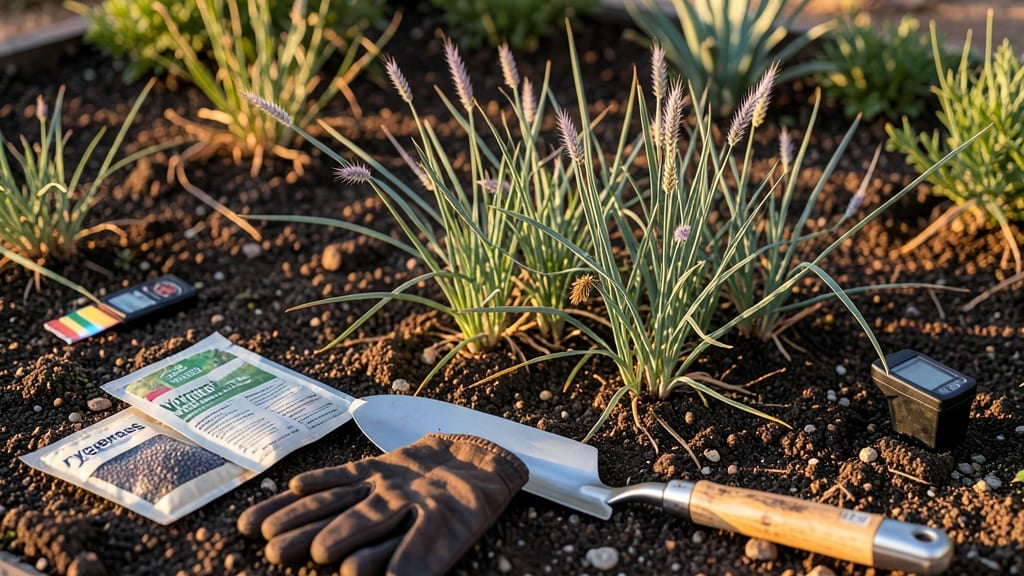
Planting Winter Grass in Arizona isn’t just about timing—it’s about outsmarting the desert’s extreme heat and unpredictable rains. If you’ve ever struggled with patchy lawns or weak grass growth, the secret lies in planting during the ideal window when soil temperatures drop and moisture becomes more reliable.
For most of Arizona’s 9b zone, the perfect time to plant Winter Grass is between October and December, when daytime highs ease into the 60s°F and monsoon remnants give way to cooler, more stable conditions.
This window ensures your grass establishes strong roots before winter’s rare frost risks—or worse, the scorching summer heat that can stunt growth.
But here’s the catch: Arizona’s microclimates vary wildly. Urban areas like Phoenix can stay 10°F warmer than rural spots, while high desert regions near Flagstaff might face earlier frost.
I’ll break down exactly how to adjust your planting schedule based on your location, plus soil prep tips to help Winter Grass thrive in Arizona’s alkaline, clay-heavy dirt.
Whether you’re seeding a new lawn or repairing bare patches, getting this right means the difference between a lush, drought-resistant carpet and a struggle. Let’s dive into the exact steps to plant Winter Grass for success—no guesswork included.
Best months to plant Winter Grass in Arizona (with climate zones)
Arizona’s cool-season grasses like ryegrass and fescue need precise timing to thrive. Planting too early risks summer heat stress, while waiting too long delays root establishment before winter. The ideal window spans October through December, aligning with soil temperature drops and monsoon season winds down.
Unlike northern states, Arizona’s USDA Zone 9b climate means frost is rare—but heat remains intense until late fall. Aim to plant when daytime temps stay below 85°F and nighttime temps drop below 70°F.
This typically occurs in mid-October for most regions, but high-desert areas like Flagstaff may start earlier.
Your local microclimate dictates the exact timing. Low-desert cities like Phoenix and Tucson experience warmer soils longer, while high-desert zones (elevations above 5,000 ft) cool faster. Even within cities, urban heat islands can delay soil cooling by 1-2 weeks compared to rural areas.
🌱Pro Tip: Check soil temperature at 4-inch depth—it should be below 75°F for 7 consecutive days before planting. Use a soil thermometer ($10 at garden centers) for accuracy.
🌡️ Arizona Planting Windows by Climate Zone
| Zone | Ideal Planting Month | Soil Temp Goal | Key Consideration |
|---|---|---|---|
| Low Desert (Phoenix, Tucson) | Late October - Early November | Below 75°F | Urban heat delays cooling |
| High Desert (Flagstaff, Prescott) | Mid-September - October | Below 65°F | Cooler nights, earlier frost risk |
| Rural Areas (Sedona, Yuma) | Early October - Mid-November | Below 70°F | Natural cooling from elevation |
Arizona’s monsoon season (July-September) brings unpredictable rainfall, which can delay planting if soils stay too wet. Wait until 2 weeks after the last heavy rain to avoid waterlogged soil and fungal diseases. Test soil moisture by squeezing a handful—if it holds shape but crumbles, it’s ready.
Seed vs. Sod affects timing slightly. Seeds need 4-6 weeks to establish roots, so plant them 6 weeks before first frost (rare in AZ but possible in high desert). Sod establishes faster (2-3 weeks), so you can plant it closer to December—just ensure soil temps stay above 60°F.
🌬️Wind Warning: Arizona’s dry winds in fall can desiccate young grass. If planting in exposed areas, use windbreaks (like temporary fencing) or straw mulch until roots establish (3-4 weeks).
For urban gardeners, heat-retaining surfaces (concrete, asphalt) can keep soil warmer than rural areas. Plant 2 weeks later in city centers to avoid heat stress. Conversely, shaded areas (under trees) may cool faster—monitor soil temps closely there.
📅Last Chance: If you miss the October-December window, you can plant January in high-desert zones, but low-desert areas should wait until next fall. Grass planted in spring or summer will struggle with heat and require excessive water.
After planting, water deeply 2-3 times per week for the first 4 weeks to encourage deep root growth. Use a soaker hose to avoid surface evaporation in Arizona’s dry winds. By December, reduce watering to once weekly as cooler temps slow evaporation.
Best months to plant Winter Grass in Arizona (with climate zones)
Arizona’s cool-season grasses like ryegrass and fescue need precise timing to thrive. Planting too early risks summer heat stress, while late planting may not establish roots before winter. The ideal window is October through December, when temperatures drop and rainfall increases.
Your local microclimate matters—Phoenix and Tucson (low desert) have warmer soils longer than Flagstaff (high desert). Urban areas like Scottsdale can stay hotter due to heat islands, delaying planting by 2-3 weeks compared to rural zones.
| Zone | Best Planting Months | Soil Temp Goal (°F) | Rainfall Pattern |
|---|---|---|---|
| Low Desert (Phoenix, Tucson) | Late October–November | 65–75°F | Monsoon taper-off |
| High Desert (Flagstaff) | September–October | 55–65°F | Early snow risk |
| Urban Heat Islands (Scottsdale, Mesa) | November–Early December | 60–70°F | Limited monsoon carryover |
Check soil temperatures with a soil thermometer—aim for 65–75°F at 4-inch depth. In low-desert areas, wait until afternoon highs consistently drop below 85°F. High-desert zones can plant earlier, but avoid late September if nighttime temps dip below 50°F.
Leverage Arizona’s monsoon season (July–September) to prep soil. The late-summer rains soften clay-heavy soils and boost organic matter, creating ideal conditions for seed germination. If rains taper off by October, schedule drip irrigation for consistent moisture.
For dormant-season success, plant 4–6 weeks before first frost (rare in Arizona but possible in high desert). Ryegrass germinates fastest in 60–70°F soil, while fescue tolerates cooler 50–60°F. Adjust seed depth: 1/4-inch for fine fescue, 1/2-inch for ryegrass.
Watch for urban heat delays—cities like Phoenix may need to wait until November due to paved surfaces radiating heat. Rural areas can plant 2–3 weeks earlier. Always test soil moisture before watering to avoid over-saturation.