
Plants
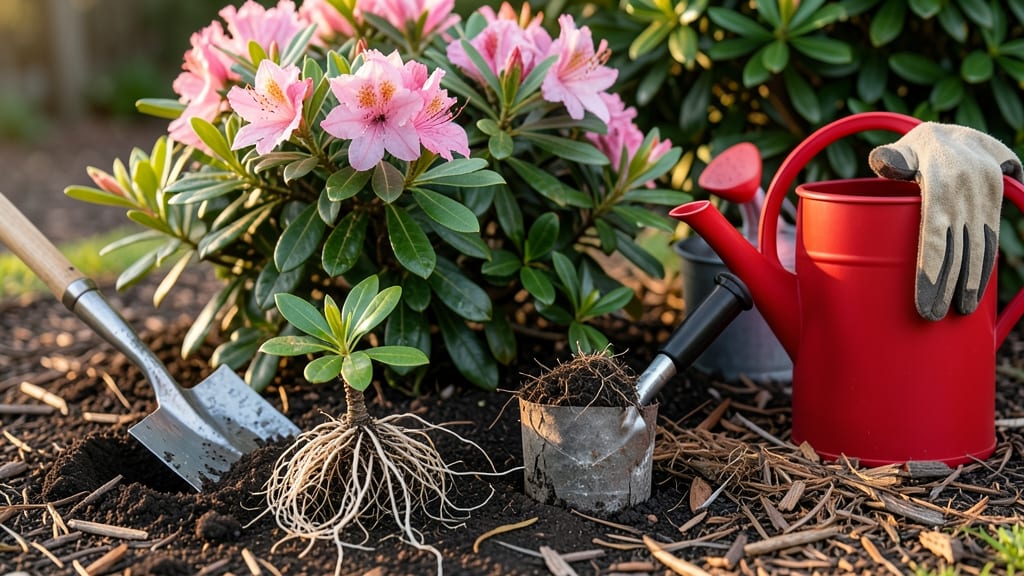
Planting azaleas in Maryland at the wrong time can mean the difference between stunning 🌸 blooms next spring and a shrub struggling to survive. With Maryland’s 6b-7a climate, timing is everything—especially when late frosts can sneak in even after the calendar says spring.
Most gardeners know fall is ideal, but did you know early spring can also work if you plant before Maryland’s average April 15 frost date? The key is giving your azaleas 6-8 weeks to establish roots before winter sets in—or before summer’s heat arrives.
Whether you’re adding a standard shrub or a dwarf variety, these windows are your best bet for success.
In this guide, I’ll break down exactly when to plant—whether you’re working with bare-root plants in October or container-grown azaleas in March—and how to protect them from Maryland’s unpredictable weather. You’ll also discover variety-specific tips to ensure your garden thrives, no matter where you are in the state.
Ready to transform your yard into a springtime spectacle? Let’s get started with the perfect planting schedule for your Maryland azaleas.
Maryland’s frost-free window: best months to plant azaleas
Maryland’s USDA zones 6b-7a offer ideal conditions for azaleas, but timing your planting is critical to avoid late spring frosts or early winter chill. The frost-free window—typically April 15 to October 15—gives you two prime planting periods: fall (October-November) and early spring (March-April).
Fall planting lets roots establish before winter, while spring planting avoids summer heat stress.
For Baltimore and DC metro areas, the last frost usually arrives around April 15, but Western Maryland can see frosts until May 1. Planting 6-8 weeks before the first frost ensures strong root growth before dormancy.
Container-grown azaleas can handle slightly later plantings, but bare-root varieties need earlier timing to recover from transplant shock.
Here’s how Maryland’s regional frost dates impact your azalea planting schedule:
| Region | Last Frost | First Frost | Best Planting Window |
|---|---|---|---|
| Baltimore/DC Metro | April 15 | October 15 | Oct 1-15 or Mar 15-Apr 15 |
| Western MD (Cumberland) | May 1 | October 20 | Oct 1-20 or Mar 20-Apr 20 |
| Eastern Shore | April 20 | October 10 | Oct 1-10 or Mar 20-Apr 10 |
Fall planting—October through early November—is my top recommendation for Maryland gardeners. Cooler soil temperatures reduce transplant shock, and azaleas can establish roots before winter dormancy. Aim to plant 4-6 weeks before the ground freezes, typically by November 15 in most regions.
For bare-root azaleas, soak roots for 2-4 hours before planting to rehydrate them.
If you miss fall, early spring planting (March-April) is your next best option. Wait until soil temperatures rise above 50°F (10°C) to avoid cold damage.
In Zone 7a (e.g., Southern Maryland), you can push spring planting to mid-April, but Zone 6b (Western MD) should stick to March to avoid late frosts.
Container-grown azaleas offer flexibility—they can be planted up to 2 weeks later than bare-root varieties since their root systems are less stressed. However, avoid planting in summer heat (June-August), as high temperatures increase transplant shock risk.
If you must plant in summer, choose overcast days and provide daily watering for the first 2 weeks.
Pro tip: Use a soil thermometer to check depth—ideal planting soil temps are 50-60°F (10-15°C). In Maryland’s humid climate, amend planting holes with peat moss or pine bark fines to maintain acidic soil (pH 4.5-5.5), which azaleas crave.
Mulch with pine straw to preserve moisture and regulate soil temperature.
For urban gardeners in Baltimore or DC, microclimates matter. South-facing slopes warm up faster in spring, while north-facing spots stay cooler longer. Test your site’s frost risk by planting a tender annual (like basil) nearby—if it survives, your azalea should too.
Remember: Maryland’s false spring (warm spells in winter) can fool you into thinking frost is over. Always check the National Weather Service’s frost prediction maps before planting in March or April. A frost cloth can buy you an extra 2-3 weeks of planting time in high-risk areas.
Azalea variety planting guide: early vs. late bloomers in Maryland
Not all azaleas thrive on the same planting schedule in Maryland. Early bloomers like 'Girard’s Pink' need to establish roots by late summer to handle winter, while late bloomers such as 'Hino Crimson' can wait until early spring.
Your choice of variety directly impacts when you should plant—let’s break it down by bloom time and hardiness.
Maryland’s USDA zones 6b-7a mean some azaleas handle our winters better than others. Early bloomers (like 'Suzanne') often require fall planting to avoid winter stress, while late bloomers (like 'Ralph S. Moore') can tolerate spring planting without issue. Let’s compare the best options for your garden.
| Variety | Bloom Time | Best Planting Window | Cold Hardiness | Maryland Notes |
|---|---|---|---|---|
| Girard’s Pink | Early Spring | Fall (Sept-Oct) | Zone 6b-7a | Classic choice; needs early root growth |
| Hino Crimson | Mid-Spring | Fall or Early Spring | Zone 6b-8a | Tolerates later spring planting |
| Ralph S. Moore | Late Spring | Early Spring (March-April) | Zone 6b-7a | Best for late spring planting |
| Suzanne | Very Early Spring | Fall (Sept-Oct) | Zone 6a-7a | Most frost-sensitive; plant early |
For early bloomers, prioritize fall planting (September-October) to give roots time to establish before Maryland’s first frost. 'Girard’s Pink' and 'Suzanne' are particularly sensitive to late frosts, so don’t wait until November. These varieties reward patience with stunning spring blooms that appear before many other garden plants.
If you prefer late bloomers, you have more flexibility. 'Hino Crimson' and 'Ralph S. Moore' can handle early spring planting (March-April) without stress.
Their later bloom time means they’re less likely to be damaged by late frosts, making them ideal for gardeners who miss the fall window or live in colder microclimates.
Pro tip: Check your local USDA zone and microclimate. Western Maryland (zone 6b) may need earlier planting than the DC metro area (zone 7a). Always choose varieties labeled for your specific zone to avoid winter damage.