
Plants
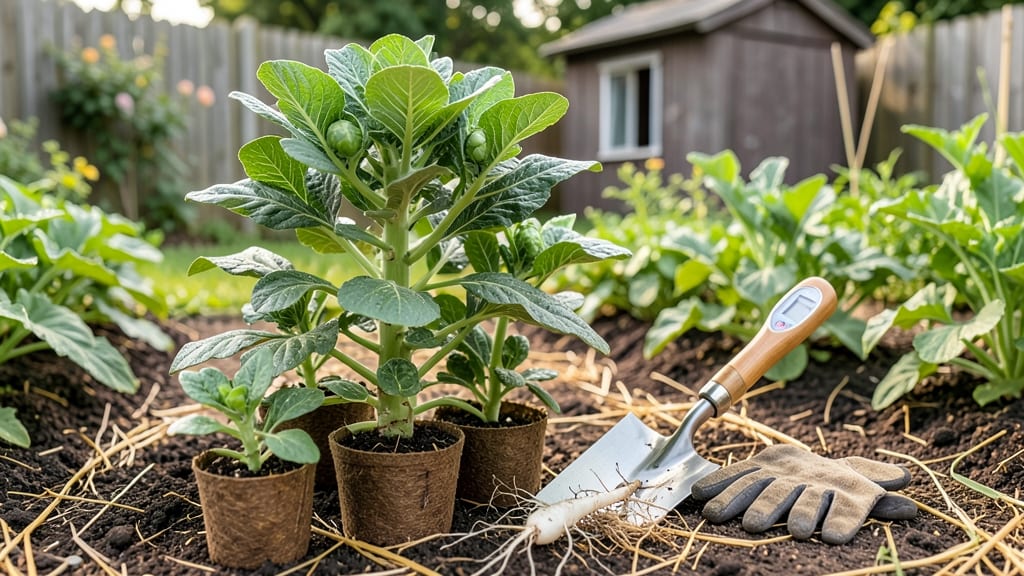
Timing your Brussel sprouts 🥦 planting in Colorado isn’t just about following a calendar—it’s about outsmarting the mountain climate’s unpredictable frost patterns. Skip the guesswork, and you could end up with wasted seeds or missed harvests, especially when late-spring freezes or early-summer heat waves throw off your plans.
Here’s the game-changer: Colorado’s USDA Zones 5-7 (like Denver’s 6b or Colorado Springs’ 6a) demand precision. Plant too early, and a late frost will nip your seedlings in the bud. Too late, and your sprouts might bolt before reaching their full flavor potential.
The sweet spot? Mid-April to early June for spring plantings—or late July to early August for a fall harvest that lasts until December.
But here’s what most gardeners overlook: elevation matters. A Front Range garden at 5,000 feet has a different frost-free timeline than a Western Slope plot at 8,000 feet.
I’ll break down exactly how to adjust your schedule based on where you live, so you can avoid common mistakes and maximize your yield.
Ready to turn your Colorado garden into a Brussel sprout powerhouse? Let’s dive into the exact planting windows, frost-proof strategies, and container gardening hacks that work—no matter if you’re in the foothills or the high country.
Optimal planting windows for Colorado’s mountain regions by elevation Zone
Colorado’s diverse elevation zones create dramatic shifts in frost-free periods, forcing gardeners to adjust planting schedules by hundreds of miles. At 5,000 feet in Denver (Zone 6b), you’ll plant weeks earlier than at 9,000 feet in Summit County (Zone 4).
Understanding these microclimates is key to avoiding wasted seeds and missed harvests.
Brussels sprouts thrive with 90-120 frost-free days, but Colorado’s variable frost dates demand precision. Spring plantings need mid-April to early June starts, while fall crops should go in by late July to early August.
High-altitude gardeners in Zone 4 may only get 100 frost-free days, limiting them to early-maturing varieties like 'Long Island Improved'.
Use the Colorado State University frost calculator to pinpoint your last frost date—this varies by 1-3 weeks between Front Range cities and Western Slope towns. For example, Grand Junction (Zone 6a) can plant 2 weeks later than Fort Collins (Zone 5a) due to its warmer microclimate.
Below is a region-specific planting guide covering Front Range, Western Slope, and high-altitude areas. Each zone includes seed-starting windows, direct sowing dates, and harvest projections to match Colorado’s short growing seasons.
| Region | Elevation | USDA Zone | Last Frost Date | Spring Planting Window | Fall Planting Window | Harvest Window |
|---|---|---|---|---|---|---|
| Front Range (Denver, Boulder, Fort Collins) | 5,000-7,000 ft | 5b-6b | May 1-15 | April 15-May 15 | July 15-August 1 | October-November |
| Western Slope (Grand Junction, Durango) | 6,000-9,000 ft | 6a-7a | May 15-30 | April 30-June 1 | July 30-August 15 | November-December |
| High Altitude (Summit County, Leadville) | 9,000+ ft | 4a-5a | June 1-15 | May 15-June 10 | August 1-15 | September-October |
For high-altitude gardeners in Zone 4-5, focus on fast-maturing varieties like 'Ruby Ball' (85 days) or 'Tasty Purple' (90 days). These
How to extend your growing season for late-fall Brussel sprouts in Colorado
Colorado’s short growing season doesn’t have to limit your Brussel sprout 🥦 harvests. With the right strategies, you can push your harvests into December or even January, when homegrown sprouts are a rare treat.
The key? Starting late enough to avoid early frosts while still giving plants time to mature before winter sets in.
For fall plantings, aim for late July to early August—this gives your sprouts 90-120 days to mature before the first hard frost (typically mid-October to early November in most of Colorado).
If you live in higher elevations (8,000+ ft), like in the San Juans or Rocky Mountain National Park area, shift your window to late June to mid-July to account for earlier frosts.
Cold-hardy varieties like 'Long Island Improved' or 'Jade Cross' are your best bets—they tolerate light frosts (20-25°F) and even sweeten when exposed to brief chills. Pair these with row covers or low tunnels to protect against unexpected dips below 15°F, which can damage tender sprouts.
Don’t overlook container gardening for late-season sprouts. Five-gallon buckets or fabric grow bags work well, especially in urban areas or balconies. Just ensure your containers have drainage holes and use a lightweight potting mix to prevent cracking in freezing temps.
Move pots to a sunny, sheltered spot (like a south-facing wall) to maximize warmth.
For maximum flavor, let your sprouts experience 1-2 weeks of cold weather (30-40°F) before harvesting. This process, called vernalization, sweetens the buds and makes them more tender. Just avoid harvesting after a hard freeze (below 15°F), as this can turn sprouts bitter or mushy.
Pro tip: If you miss the July-August window, try transplanting young plants from a nursery in late August. While yields may be smaller, you’ll still get a taste of homegrown before winter sets in fully.
Pair this with succession planting in early spring for a year-round supply of fresh, flavorful sprouts.