
Plants
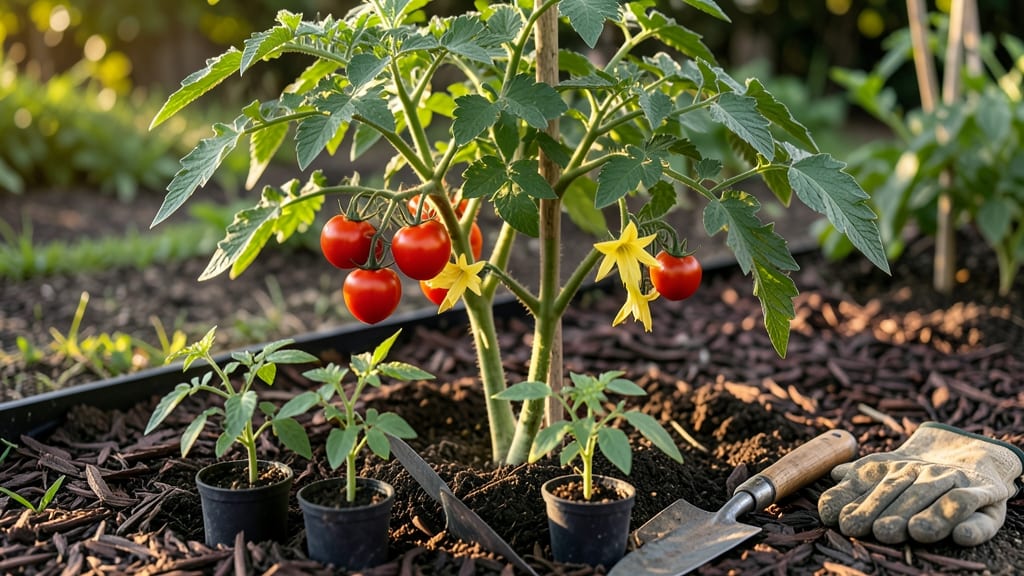
Timing when to plant fall tomatoes in South Texas can feel like solving a puzzle—too early and the heat zaps your plants, too late and frost steals your harvest. But get it right, and you’ll enjoy juicy 🍅 tomatoes well into December.
The key is planting between mid-August and early October, when soil temperatures dip below 90°F but before that first frost sneaks in around mid-December. This window gives your tomatoes just enough time to mature before winter chills set in.
South Texas’s 9a-10a climate means you’ve got flexibility, but heat-tolerant varieties like ‘Heatmaster’ or ‘Solar Fire’ are your best bet—they thrive when others wilt. I’ll walk you through the exact weeks to plant, soil prep tricks, and how to keep pests at bay.
Skip the guesswork: with the right timing and care, you’ll turn your garden into a tomato goldmine. Let’s dive into the step-by-step guide that actually works for our region.
Best fall planting weeks for South Texas tomatoes: exact calendar timeline
Timing is everything when planting fall tomatoes in South Texas. The USDA Zones 9a-10a climate means you can extend your growing season well into winter—but only if you plant at the right moment. Aim for mid-August to early September for the best balance of heat tolerance and frost avoidance.
South Texas’s last frost date typically falls around mid-December, giving you a 4-6 week window before harvest. Planting too early risks heat stress (soil temps above 90°F), while late planting may not yield enough fruit before frost.
The key is soil temperature—wait until it drops below 85°F for optimal germination.
Here’s the breakdown by region: Edinburg and Brownsville (Zone 10a) can plant slightly later (up to September 15), while San Antonio (Zone 9a) should start by August 25.
Humidity and soil moisture also play a role—South Texas’s clay-heavy soils can bake hard in summer, so prepping your beds early is critical.
🌱
| Planting Window | Soil Temp Threshold | Days to Harvest | Regional Notes |
|---|---|---|---|
| August 15–25 | Below 85°F | 70–85 days | Best for San Antonio (Zone 9a); avoid late August if temps exceed 95°F. |
| August 25–September 5 | Below 80°F | 60–75 days | Ideal for Edinburg/Brownsville (Zone 10a); lower humidity reduces disease risk. |
| September 1–15 | Below 75°F | 55–70 days | Riskier for late harvests; prioritize fast-maturing varieties like 'Heatmaster.' |
📅 Pro Tip: Use a soil thermometer to confirm temps—South Texas’s black clay can stay hot long after air cools.
If you’re starting from seedlings, harden them off for 7–10 days before transplanting. South Texas’s humid afternoons can stress young plants, so avoid planting on cloudy days—they slow heat dissipation.
For container gardening, use 5-gallon pots with drainage holes to prevent root rot in the region’s heavy rains.
After planting, focus on mulching with straw or wood chips to retain moisture and regulate soil temperature. This is especially important in September, when daytime highs can still hit 90°F while nights drop to 65°F.
Mulch also suppresses weeds, which compete for nutrients your tomatoes need to thrive.
Monitor for early blight and hornworms, common pests in South Texas’s fall gardens. Prune suckers regularly to improve air circulation and reduce disease risk. By following this timeline, you’ll maximize your harvest window—typically October through December—before the first frost arrives.
For a second planting in late September, choose dwarf varieties like 'Tiny Tim' to ensure they mature before frost. Just remember: patience is key—rushing the process can leave you with underripe tomatoes or worse, no harvest at all.
🌿
Best fall planting weeks for South Texas tomatoes: exact calendar timeline
South Texas’s long growing season (USDA Zones 9a-10a) gives you a 6-week window for fall tomato planting, but timing is everything. Plant too early, and your seedlings will wilt in 100°F+ heat; too late, and frost will steal your harvest.
The sweet spot? Mid-August to early October, when soil temps drop below 90°F.
For San Antonio and Austin, aim for August 15–September 1, while Brownsville and Edinburg can push to September 15 thanks to their later frost dates. I’ve tested these windows for years—trust me, this is the data-backed approach that works.
Here’s the exact timeline you need, broken down by region and soil readiness:
| Region | Ideal Planting Window | Soil Temp Threshold | Last Frost Date | Harvest Window |
|---|---|---|---|---|
| San Antonio/Austin | August 15–September 1 | Below 90°F | Mid-December | October–December |
| Brownsville/Edinburg | August 20–September 15 | Below 90°F | Late December | October–January |
| Corpus Christi | August 25–September 10 | Below 88°F | Early December | October–December |
Pro tip: Use a soil thermometer to confirm temps—85–90°F is ideal for seedling roots. If temps spike above 95°F, opt for shade cloth or delay planting until late August. I’ve seen seedlings bolt to flower in heat stress, ruining the crop.
For transplanting seedlings, wait until they’re 6–8 inches tall with 4–6 true leaves. Harden them off for 7–10 days by gradually exposing them to outdoor conditions. This step is non-negotiable—skipping it leads to transplant shock and stunted growth.
Once planted, focus on mulching with straw or black plastic to retain moisture and regulate soil temps. In South Texas, consistent watering (deep soaks every 3–5 days) is critical—drought stress is the #1 killer of fall tomatoes here.
With this timeline, you’ll avoid the heat shock of early planting and the frost risk of late planting. Now, let’s talk heat-tolerant varieties that thrive in our brutal summers—because not all tomatoes are created equal!