
How To
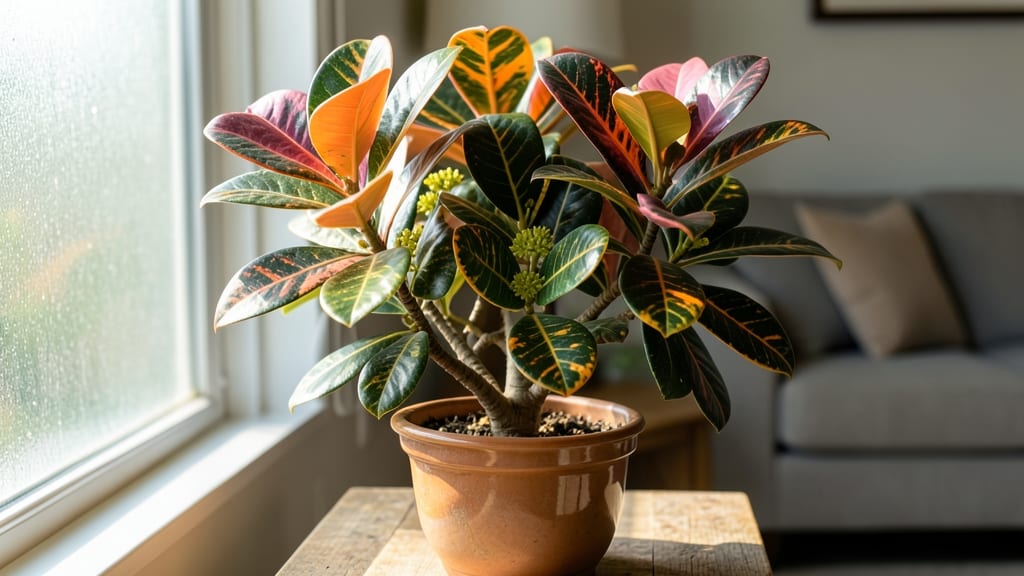
If your 🌿 croton plant’s leaves are losing their vibrant colors or stretching awkwardly toward the window, you’re not alone—most people get how much light does a croton plant need wrong.
The truth? Croton plants crave bright indirect light, but too much direct sun can scorch those stunning patterns, while too little leaves them pale and weak.
I’ve seen firsthand how a few simple adjustments can transform a struggling croton into a showstopper. Whether you’re dealing with a low-light apartment or a sun-drenched windowsill, understanding the ideal light balance is the key to keeping those leaves bold and healthy year-round.
In this guide, I’ll break down exactly how much light your croton needs—from 6+ hours of bright indirect light to spotting the early warning signs of over- or under-exposure. You’ll also discover easy fixes for common issues like leaf scorch or leggy growth, so your plant stays vibrant without guesswork.
Ready to give your croton the perfect light setup? Let’s dive into the secrets that’ll keep those leaves popping with color and energy.

Croton light requirements: the ideal balance for stunning foliage
Croton plants (Codiaeum variegatum) are famous for their bold, multicolored foliage, but those vibrant hues demand the right light exposure. Too little light, and your croton’s leaves will turn dull green and leggy.
Too much direct sun, and you’ll see leaf scorch or crispy edges. The sweet spot? Bright, indirect light for 6-8 hours daily, with a few hours of morning sunlight if outdoors.
Indoor crotons thrive near south- or east-facing windows, where they get filtered sunlight without harsh afternoon rays. Outdoor crotons love partial shade—think dappled sunlight under a tree canopy. The key is consistency: sudden light changes can stress your plant, causing color fading or leaf drop.
Here’s how to visualize the perfect light setup for your croton’s needs:
| Light Condition | Ideal Duration | Signs of Good Health | Signs of Stress |
|---|---|---|---|
| Bright Indirect Light | 6-8 hours daily | Vibrant colors, compact growth | Leggy stems, pale leaves |
| Direct Morning Sun | 2-3 hours max | Healthy new growth | Brown leaf tips, crispy edges |
| Low Light | <4 hours daily | N/A | Stretched stems, faded colors |
| Harsh Afternoon Sun | Avoid | N/A | Sunburnt patches, wilting |
Seasonal adjustments are crucial. In summer, move your croton further from windows to avoid leaf scorch. In winter, supplement with a grow light if natural light drops below 4 hours daily. Even artificial light can work—just keep it 12-18 inches away for 12-14 hours/day.
Pro tip: Rotate your croton quarterly to ensure even light exposure all around. This prevents lopsided growth and keeps those showstopping leaves symmetrical. Think of it like giving your plant a full-body spa for balanced health!
For outdoor crotons, morning sun + afternoon shade is ideal. If you’re growing in USDA Zone 9-11, they can handle full sun with consistent moisture. But in cooler climates, treat them like indoor plants—bright indirect light only.
Watch for these color clues to gauge your croton’s light happiness: Deep reds, oranges, and yellows mean it’s thriving. Dull green? Time to move it closer to light. Brown patches? It’s getting too much sun. Your croton’s leaves are its mood ring—read them carefully!
If your croton starts looking leggy (long stems with small leaves), it’s stretching for light. Prune the leggy growth to encourage bushier, healthier foliage, then adjust its light source. A sheer curtain near a sunny window can diffuse harsh rays while keeping it bright enough.
Remember: Crotons are tropical plants that love bright, filtered light—similar to their native shady forest understories. Mimic that environment, and you’ll reward yourself with year-round vibrant foliage that turns heads in any room.
How to adjust light for croton plants in different environments
Not all homes offer the same lighting conditions, and your croton’s needs change whether it’s basking in outdoor sunlight or struggling in a dim corner. The key is adapting the environment to match its 6+ hours of bright indirect light requirement.
For indoor plants, a south-facing window is ideal, but if that’s not an option, we’ll explore creative solutions to mimic natural light.
Outdoor crotons thrive in partial shade with morning sun exposure, but they can handle more light in cooler months. The challenge? Balancing their love for brightness without causing leaf scorch.
Let’s tackle indoor and outdoor adjustments separately so you can give your croton the perfect light setup, no matter where it lives.
🌿
Low-Light Apartments
Place your croton 2-3 feet from a south-facing window. If natural light is scarce, supplement with a grow light (LED or fluorescent) 12-14 hours daily. Rotate the plant weekly for even growth.
Bright Windowsills
Use a sheer curtain to diffuse harsh afternoon sun. If leaves show brown tips, move the plant 1-2 feet back from the window. East-facing windows are gentler alternatives.
Outdoor Summer Care
Provide morning sun only (3-4 hours max) and afternoon shade. Monitor for yellowing leaves—a sign of too much heat. Use a lightweight shade cloth (30-50%) if needed.
Seasonal Transitions
In winter, move outdoor crotons indoors before 50°F temps. Gradually acclimate them to indoor light over 1-2 weeks to avoid shock. Reduce watering as light levels drop.
DIY Light Hacks
For extra brightness, place a white reflective surface (mirror or aluminum foil) behind the plant. In low-light rooms, group plants together to create a micro-climate with shared humidity.
Adjusting light isn’t just about placement—it’s about observing your croton’s leaf color and growth patterns. If the variegation fades or stems stretch excessively, it’s time to tweak the setup. Pro tip: Rotate your plant every 2-3 weeks so all sides get even light exposure, preventing lopsided growth.
☀️