
Plants
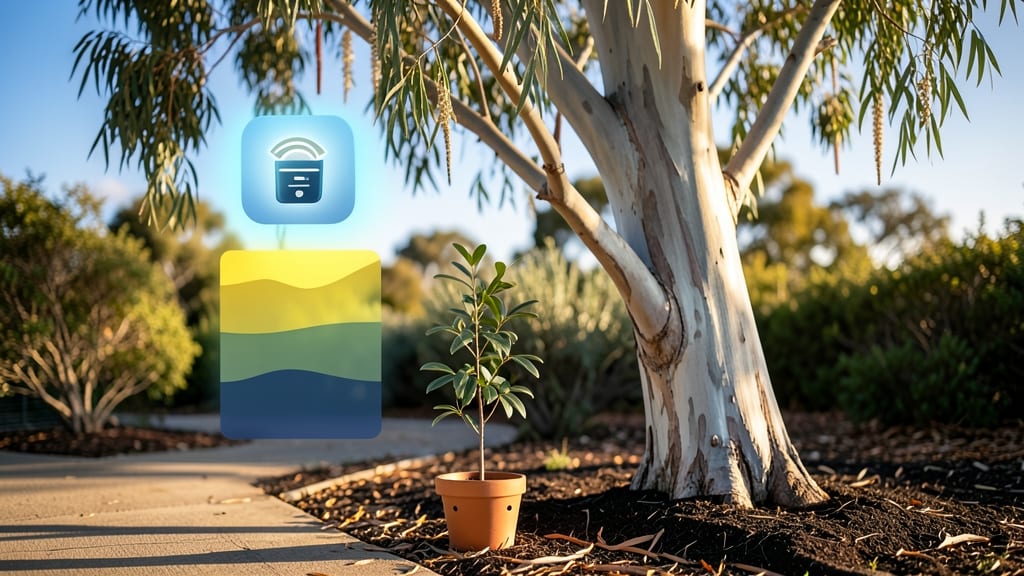
If your eucalyptus plant needs how much light does a eucalyptus plant need to thrive? The answer might be simpler than you think—it's probably not getting enough of it.
These towering beauties thrive when basking in bright, direct sunlight, but too little can leave your plant struggling with weak stems and sparse foliage.
Most eucalyptus varieties demand at least 6-8 hours of sunlight daily to reach their full potential, whether you're growing them outdoors in USDA Zone 6a or coaxing them along indoors. Without enough light, they'll stretch toward any available source, creating that classic "leggy" look that no one wants.
Don't worry—this isn't about complicated gardening science. I'll show you exactly how to position your eucalyptus for optimal growth, whether that means adjusting a potted plant near a south-facing window or tweaking outdoor placement for the fastest, healthiest results.
Ready to turn your eucalyptus from a struggling sapling into a vibrant, fast-growing star? Let's dive into the sunlight secrets that make all the difference.

Eucalyptus sunlight requirements: minimum light hours for healthy growth
Eucalyptus trees are sun worshippers, thriving best when basking in full sun exposure for at least 6-8 hours daily. This native Australian beauty evolved in bright, open landscapes, so replicating those conditions is key to unlocking its rapid growth and signature aromatic foliage.
Without adequate sunlight, you’ll notice stunted growth, pale leaves, and weak stems—signs your eucalyptus is begging for more light.
Most eucalyptus varieties, like the towering Eucalyptus globulus or the compact Eucalyptus gunnii, demand direct sunlight to fuel their metabolic processes. Even partial shade can lead to leggy growth, where the plant stretches desperately toward any available light source.
If you’re growing eucalyptus in containers, this need for sunlight becomes even more critical, as potted plants have limited root zones to compensate for light deficiencies.
🌳 Pro Tip: Use a light meter or observe your garden’s sun patterns for a week. Mark the sunniest spots in your yard—these are prime locations for eucalyptus. South-facing areas in the Northern Hemisphere typically receive the most consistent sunlight, making them ideal for these sun-loving trees.
| Eucalyptus Variety | Minimum Sunlight Needs | Growth Impact of Insufficient Light | Ideal Location |
|---|---|---|---|
| Eucalyptus globulus (Tasmanian Blue Gum) | 8+ hours full sun | Leggy stems, yellowing leaves, slow growth | South-facing garden bed or large container |
| Eucalyptus gunnii (Cider Gum) | 6-7 hours full sun | Pale foliage, weak branches, reduced aroma | Bright indoor window or patio in partial sun |
| Eucalyptus cinerea (Argyle Apple) | 5-6 hours full sun | Stunted growth, sparse foliage, poor flowering | East or west-facing spot with afternoon shade |
| Eucalyptus urnigera (Tasmanian Snow Gum) | 6 hours full sun | Slow color development, weak stems | South or west-facing container garden |
Regional climate plays a surprising role in eucalyptus light needs. In hot, arid climates like Arizona or California, eucalyptus can handle intense afternoon sun with ease, thanks to their natural drought tolerance.
However, in cooler, cloudier regions like the Pacific Northwest, you may need to supplement natural light with grow lights during winter months to prevent light deprivation.
If you’re growing eucalyptus in containers, prioritize south-facing windows or a sunny patio. Rotate your pots every few weeks to ensure even growth, as eucalyptus will lean toward the light source.
For indoor growers, a south-facing window with 6+ hours of direct light is non-negotiable—any less, and you’ll struggle to maintain healthy foliage.
💡 Light Hack: Place your eucalyptus near a reflective surface like a white wall or mirror to amplify natural light. This trick can add an extra 1-2 hours of effective light exposure, making a noticeable difference in growth rates.
For outdoor plantings, avoid areas with dense tree canopy or buildings that cast long shadows. Even partial shade from nearby trees can reduce sunlight by 30-50%, leading to weaker plants.
If you must grow eucalyptus in shadier conditions, opt for low-light-tolerant varieties like Eucalyptus cinerea and accept slower growth rates.
Monitor your eucalyptus’s foliage color as a quick health barometer. Dark green, glossy leaves indicate optimal light, while yellowing or pale green leaves scream for more sunlight.
In my own garden, I’ve seen Eucalyptus gunnii double its growth rate within a month after moving it to a sunnier spot—proof that light is the ultimate growth multiplier for these trees.
☀️ Remember: Eucalyptus trees are not shade plants. While they can tolerate brief periods of partial shade, their full potential—vibrant foliage, rapid growth, and intoxicating aroma—only unfolds under full sun conditions.
Commit to providing the right light, and you’ll reward yourself with a thriving, aromatic eucalyptus that becomes the star of your garden.
Eucalyptus sunlight requirements: minimum light hours for healthy growth
Eucalyptus plants are sun worshippers—they crave full sun exposure to grow strong and healthy. Most varieties need at least 6-8 hours of direct sunlight daily, with some high-growth types thriving in 10+ hours when possible.
Without enough light, your eucalyptus will stretch toward any available source, creating weak, leggy stems and sparse foliage that lacks that signature vibrant green.
Think of sunlight as eucalyptus' growth fuel. Insufficient light slows photosynthesis, reducing the energy your plant needs to produce those iconic aromatic leaves.
Even outdoor eucalyptus trees in USDA Zone 6a will struggle if planted in shaded areas, while indoor plants often suffer from weak stems and pale leaves when placed away from bright windows.
Here's the key: Position your eucalyptus where it gets morning sun (6 AM - 12 PM) plus afternoon sun (12 PM - 4 PM). South-facing windows or outdoor spots with unobstructed southern exposure work best.
If you're growing eucalyptus in containers, rotate the pot weekly so all sides get even light exposure—this prevents lopsided growth and ensures balanced foliage development.
🌳 Eucalyptus Sunlight Summary
| Variety Type | Minimum Sunlight | Ideal Sunlight | Growth Impact |
|---|---|---|---|
| Standard Eucalyptus | 6 hours | 8-10 hours | Fast growth, vibrant leaves |
| Dwarf Varieties | 4-5 hours | 6-8 hours | Compact growth, slower but steady |
| Indoor Eucalyptus | 3-4 hours | 5-6 hours (south window) | Weak stems, slow growth |
💡 Pro Tip: Use a light meter or observe your plant's shadow—if it's shorter than the plant itself, it's getting enough sun!
If you're measuring sunlight in your garden, use this simple test: Place a white piece of paper on the ground where your eucalyptus would sit. If the shadow is shorter than the paper's height during peak sun (10 AM - 2 PM), you've got the perfect spot.
For indoor growers, south-facing windows provide the most consistent light, while east or west windows may require supplemental grow lights during winter months when sunlight is weaker.
One common mistake is assuming bright indirect light is enough—it's not. Eucalyptus needs direct rays to produce the energy for rapid growth. If your plant starts developing long, thin stems with sparse leaves, it's a clear sign it's stretching toward light.
At this point, you'll need to move it closer to a brighter spot or supplement with LED grow lights (12-16 hours per day) to correct the issue.
Remember, eucalyptus plants are fast growers when given proper light. With 8+ hours of sun daily, you'll see 2-3 feet of new growth per year, while adequate light also boosts that fresh, citrusy aroma that makes eucalyptus so beloved.
Don't skimp on sunlight—your plant's future depends on it! 🌿