
Plants
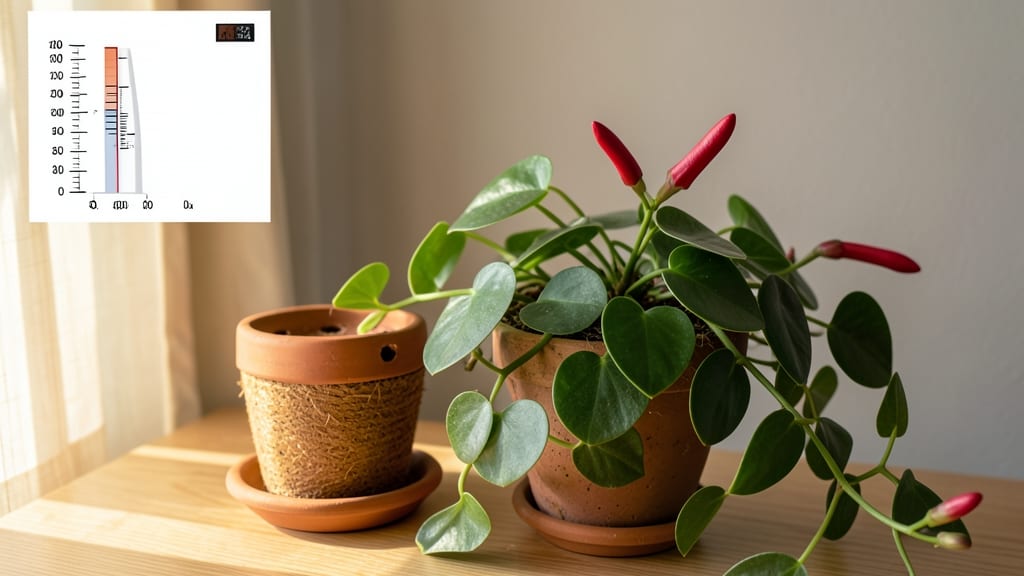
If you’re wondering how much light does a lipstick plant need to stay happy and blooming, the answer is simpler than you might think—this stunning red-flowered beauty thrives in bright, indirect light, but too much or too little can turn your plant into a droopy mess.
You might be surprised to learn that 60% brightness is the sweet spot for this plant, which means placing it near an east or west-facing window (about 2-3 feet away) is ideal.
Too much direct sun? Watch for crispy edges on those gorgeous leaves. Too little light? Your plant will stretch out like it’s begging for more rays.
Don’t worry—balancing the light is easier than you think. I’ll walk you through exactly where to place your Lipstick Plant, how to spot light-related stress, and even how to supplement with grow lights if your home is on the dim side. Let’s get that plant blooming like a pro!
Whether you’re a seasoned plant parent or just starting your green journey, these tips will help you create the perfect light conditions for a thriving, flower-filled Lipstick Plant. Ready to transform those sad stems into a vibrant showstopper?

Ideal light requirements for lipstick plant growth and blooming
The lipstick plant (Aeschynanthus radicans) thrives in bright indirect light, mimicking its natural understory habitat in tropical forests. This means placing it near a window where sunlight filters through sheer curtains—never in direct midday sun, which can burn its delicate leaves and cause bleached patches.
Think of it as the perfect balance between morning sun exposure and afternoon shade.
For optimal growth, aim for 4–6 hours of bright indirect light daily. This light level supports photosynthesis while preventing stress. In low-light conditions, your plant may stretch toward the light (a condition called etiolation), producing long, weak stems and sparse foliage.
Conversely, too much direct sunlight causes leaf scorch and drooping blooms, especially in summer.
Here’s how to visualize the ideal setup: Imagine your lipstick plant sitting 2–3 feet away from an east-facing window—this gives it gentle morning light without the harsh afternoon rays. West-facing windows work too, but use a sheer curtain to diffuse the stronger late-afternoon sun.
If your home lacks natural light, grow lights (like LED full-spectrum bulbs) can supplement, but keep them 12–18 inches above the plant for 12–14 hours daily.
| Light Condition | Effect on Lipstick Plant | Solution |
|---|---|---|
| Bright Indirect Light (4–6 hrs) | Healthy growth, vibrant red flowers, glossy leaves | East/west window, 2–3 ft away |
| Low Light (<4 hrs) | Leggy stems, pale leaves, fewer blooms | Move closer to window or add grow light |
| Direct Sunlight (>6 hrs) | Brown leaf tips, scorched patches, wilting | Use sheer curtain or move to indirect spot |
Seasonal adjustments are key. In spring and fall, your lipstick plant can handle slightly more light as days lengthen, but always avoid harsh midday sun. During summer, when sunlight is most intense, rotate the pot weekly to ensure even growth and prevent one-sided stretching.
In winter, supplement with a grow light if natural light drops below 4 hours daily, as this is when many lipstick plants enter a dormant-like state.
Light also influences flower production. Lipstick plants bloom best with consistent indirect light—think of it as their trigger for flowering. If your plant isn’t blooming, check its light exposure first.
A lack of light reduces flower buds, while too much direct sun can cause buds to drop prematurely. For continuous blooms, maintain that bright indirect light year-round, adjusting for seasonal changes.
Pro tip: Observe your plant’s leaf color as a natural indicator. Deep green, glossy leaves mean it’s happy, while yellowing or dull leaves signal light stress. If you notice purple tinges on new growth, it’s craving more light—gradually increase exposure over 1–2 weeks to avoid shock.
For outdoor growers, lipstick plants can thrive on shaded patios or under trees, but avoid full sun exposure at any time. If you’re growing it outdoors in USDA Zone 10 or warmer, provide afternoon shade during peak summer months to prevent heat stress.
In cooler climates, bring it indoors before temperatures drop below 60°F (15°C).
Remember, the goal is to mimic the plant’s natural habitat: dappled sunlight filtering through a forest canopy. With the right light, your lipstick plant will reward you with year-round blooms and lush foliage that’s the envy of every plant lover. 🌿
Ideal light requirements for lipstick plant growth and blooming
The lipstick plant (Aeschynanthus radicans) thrives in bright indirect light, which mimics its natural understory habitat in tropical forests. This means it needs 60% light intensity—think of it as a sunny day with dappled shade.
Too little light, and your plant will stretch toward the window, growing leggy and sparse. Too much direct sun, and those beautiful leaves will develop brown crispy edges from sunburn.
For optimal growth, aim for 4-6 hours of bright indirect light daily. This could mean placing your plant near an east or west-facing window, where morning or late afternoon sun is gentler.
South-facing windows can work, but you’ll need to filter the light with a sheer curtain to prevent damage. If your home lacks natural light, don’t worry—grow lights can bridge the gap, especially in winter months when daylight is scarce.
Light directly impacts your lipstick plant’s ability to produce those iconic red flowers. Insufficient light slows photosynthesis, reducing energy for blooming, while excessive light stresses the plant, diverting resources to leaf protection instead.
The key is finding that sweet spot where your plant stays lush, green, and bursting with color year-round.
| Light Requirement | Specification | Effect on Plant |
|---|---|---|
| Bright Indirect Light | 60% light intensity (e.g., east/west window) | Healthy growth, vibrant flowers |
| Low Light | <30% light (e.g., north window) | Leggy stems, sparse leaves, no blooms |
| Direct Sunlight | >70% light (e.g., south window without filter) | Brown leaf edges, wilting, stress |
| Artificial Light | 12-14 hrs/day (LED grow lights) | Supports growth in low-light spaces |
Seasonal adjustments are crucial, especially if you’re growing your lipstick plant outdoors in a shaded patio or greenhouse. During summer, when sunlight is intense, provide afternoon shade to protect delicate leaves.
In winter, when natural light dims, supplement with a grow light for 4-6 hours daily to maintain energy levels. Even indoor plants benefit from occasional rotation—turn your pot quarter-turn weekly to ensure even light exposure on all sides.
Pay attention to your plant’s leaf color as a barometer for light success. Deep green leaves with a slight sheen indicate perfect conditions, while pale or yellowing leaves signal a need for more light.
Meanwhile, dark green with red veins means your plant is thriving—just the way you want it before those stunning red flowers make their appearance.
Pro tip: If you notice your lipstick plant’s leaves curling or drooping, it might be reacting to sudden temperature shifts near a sunny window. Keep it in a stable environment where temperatures stay between 65-75°F for best results.
With the right light balance, your plant will reward you with continuous blooms and a compact, bushy form that’s the envy of every plant lover.