
Plants
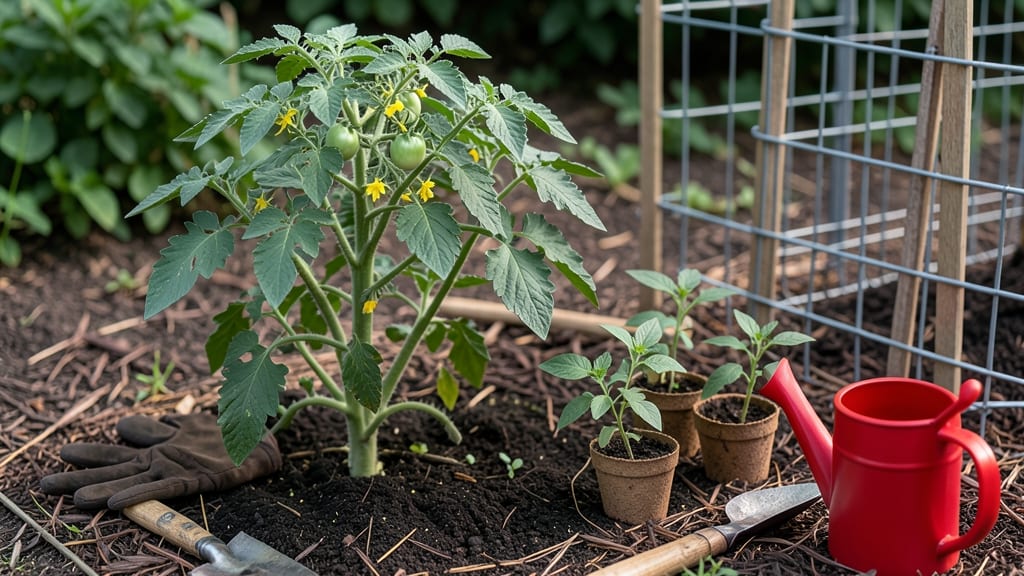
If you're wondering when to plant tomatoes in Ohio, timing is the secret weapon between a thriving 🍅 harvest and wasted effort. Ohio’s 6a zone gives you a narrow window—plant too early, and frost will nip your seedlings; too late, and your vines won’t mature before summer’s end.
Most Ohio gardeners start seeds indoors by March 15 to give transplants a head start, then move them outdoors after the last frost—typically April 15 to May 15. But soil temperature matters more than the calendar: wait until it hits 60°F for roots to thrive.
This guide breaks down the exact dates for your zone, plus pro tips to extend your season with row covers or cold-hardy varieties. Whether you’re a first-timer or a veteran gardener, these strategies will help you avoid common mistakes and maximize your harvest from July through September.
Ready to turn your Ohio garden into a tomato powerhouse? Let’s dive into the perfect planting schedule—and how to keep those vines producing until frost.
Ohio tomato planting dates by hardiness Zone: exact timing for success
Ohio’s USDA hardiness zones 5a-6b mean your tomato planting window can shift by weeks depending on where you live. In northern Ohio (Zone 5a), like Cleveland or Toledo, wait until after May 15 when soil warms to 60°F (15°C).
Meanwhile, southern Ohio (Zone 6b), including Cincinnati and Columbus, can start as early as April 15—but only if nighttime temps stay above 45°F (7°C). These dates align with Ohio’s average last frost, but always check the NOAA 2024 frost forecast for your exact location.
For direct-sowing (planting seeds outside), aim for 2-3 weeks after your last frost date to avoid cold-sensitive seedlings. If you’re starting indoors, begin seeds 6-8 weeks before transplanting (typically early March for Zone 6b, late March for Zone 5a).
This head start gives seedlings a 3-inch-tall advantage by planting time, which translates to 20% faster fruit production in Ohio’s short growing season.
🌱
Pro tip: Use a soil thermometer to confirm readiness—tomato seeds need 60°F+ soil to germinate reliably. In cooler zones, black plastic mulch can raise soil temps by 5-10°F, letting you plant 1-2 weeks earlier without risk.
For container gardening, black pots absorb heat faster than traditional ones, giving you a 7-day head start in chilly springs.
Ohio’s short growing season (165 frost-free days) demands smart variety selection. Early-maturing varieties like ‘Early Girl’ (55 days) or ‘Stupice’ (60 days) are perfect for Zone 5a, while heirlooms like ‘Brandywine’ (80+ days) thrive in Zone 6b’s longer summers.
Plant succession crops every 2 weeks after your initial planting to stretch harvests until first frost.
Don’t overlook microclimates—south-facing walls or raised beds can add 10-14 days to your growing season. For example, Columbus gardeners in Zone 6a might plant 1 week earlier near a brick wall than in open ground.
Always monitor nighttime temps; tomatoes won’t survive below 50°F (10°C), even if daytime highs are warm.
🌿
If you’re direct-sowing, plant seeds ½ inch deep in rows 18-24 inches apart. For transplants, bury stems up to ⅔ of their height—this encourages stronger root systems and earlier fruiting.
After planting, water deeply (1-1.5 gallons per plant) and mulch with straw to retain moisture and suppress weeds. This one-time setup reduces watering by 30% all season.
Ohio’s humid summers mean early morning watering (before 9 AM) is critical to prevent blossom end rot and fungal diseases. Pair this with balanced fertilizer (5-10-10) every 4-6 weeks to fuel fruit production. Skip fertilizing after August—late-season feeding leads to leafy growth instead of tomatoes.
🍅
How to extend Ohio’s tomato growing season: cold frames, row covers & smart varieties
Ohio’s short growing season can feel like a tomato thief—stealing weeks of potential harvests. But with the right strategies, you can push your planting window 2-4 weeks earlier or late into September. The key? Combining cold-hardy varieties, protective gear, and smart succession planting.
Start by choosing early-maturing varieties like 'Mountain Merit' (60 days) or 'Stupice' (55 days), which tolerate cooler temps. Pair these with row covers or cold frames to shield seedlings from late frosts—even a 32°F night can be survivable with protection.
For late-season extensions, opt for heat-tolerant varieties like 'Heatmaster' or 'Solar Fire', which thrive in Ohio’s 90°F+ summers. Combine this with drip irrigation and mulch to keep roots cool and hydrated.
Here’s how to maximize every season with minimal effort:
🌱 Proven Season-Extension Tactics
- ❄️ Early Planting: Use black plastic mulch to warm soil 10°F faster—plant 2 weeks before last frost.
- 🛡️ Frost Protection: Cover seedlings with floating row covers for 32–40°F nights; remove during daytime.
- 🌡️ Cold Frames: Extend harvest 4–6 weeks by trapping heat; ideal for cherry tomatoes in fall.
- 🌿 Succession Planting: Sow new seeds every 2 weeks from May–July for continuous harvests.
- ☀️ Late Varieties: Plant 'Celebrity' or 'Better Boy' in late June for September–October fruit.
Don’t overlook soil temperature—even with protection, roots need 55°F+ to thrive. Use a soil thermometer to confirm readiness, especially in northern Ohio (Zone 5a), where cooler soils delay growth.
For container gardening, move pots to sunniest spots and use self-watering systems to prevent stress. Even a balcony in Columbus can yield 50+ tomatoes with the right setup!
With these tactics, your Ohio tomato season can stretch from June to October—no frost required. 🍅