
Plants
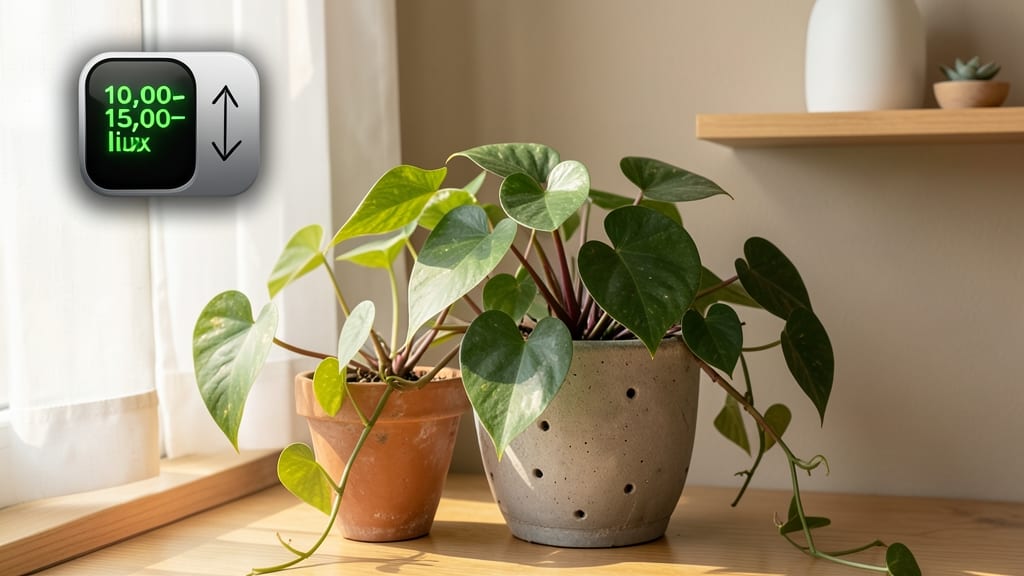
Ideal light requirements for philodendron growth: bright indirect sunlight explained
Philodendrons thrive in bright indirect sunlight, but their exact needs vary by variety. Heartleaf philodendrons are the most adaptable, while variegated types like Philodendron Brasil or Xanadu need slightly more light to maintain their stunning patterns.
Understanding this balance is key to preventing common issues like leaf scorch or leggy growth.
Bright indirect light means your plant should receive 4-6 hours of filtered sunlight daily. Think of it like the light you’d get under a sheer curtain near a window—enough to read by, but not harsh.
Direct midday sun, especially through south-facing windows, can cause damage, while dim corners may slow growth significantly.
To visualize bright indirect light, imagine your plant near an east-facing window where morning sun gently illuminates the leaves without intense heat. This setup mimics their natural understory habitat in tropical forests, where dappled sunlight filters through the canopy.
Visual cues help identify the right light: healthy leaves should be deep green with vibrant veins, and new growth should appear compact and glossy. If your philodendron’s leaves look pale or stretched, it’s likely craving more light, while crispy edges signal too much direct sun.
| Variety | Light Needs | Key Features |
|---|---|---|
| Heartleaf (Philodendron hederaceum) | Low to bright indirect | Most adaptable; tolerates 50-70% shade |
| Brasil (Philodendron 'Brasil') | Bright indirect to medium light | Needs 6+ hours light for variegation |
| Xanadu (Philodendron 'Xanadu') | Bright indirect sunlight | Large leaves need consistent light to avoid yellowing |
| Selloum (Philodendron bipinnatifidum) | Bright indirect to direct morning sun | Tolerates more sun but avoid afternoon heat |
For indoor growers, position your philodendron 2-3 feet from an east or north-facing window. If you only have south-facing windows, place it 6+ feet away to diffuse the intensity.
Rotate the pot quarter-turns weekly to ensure even light exposure—this prevents lopsided growth where leaves stretch toward the light source.
Outdoor philodendrons (in USDA Zone 10+) can handle morning sun with afternoon shade. Use a lightweight shade cloth (30-50%) if placing them in full sun to protect delicate foliage. Avoid placing them in direct afternoon sun, which can cause leaf burn within hours.
Test your space’s light conditions with this simple trick: Hold a white piece of paper near your plant. If you can easily read text, the light is too harsh.
If the paper looks dimly lit even in daylight, your philodendron needs a brighter spot. This method helps you adjust placement without guesswork.
Remember, philodendrons are forgiving plants, but they’ll reward you with faster growth and richer colors when given the right light. Start with bright indirect light, monitor leaf health weekly, and adjust gradually. Patience is key—your philodendron will thrive once you find its sweet spot!
Signs your philodendron isn’t getting enough (or too much) light
Your philodendron’s leaves tell a story—yellowing edges or stretched, pale growth scream for more light, while brown patches or crispy tips mean it’s getting too much sun. Learning to read these signs helps you adjust placement before damage sets in. Let’s decode what your plant is really saying.
Leggy growth with sparse leaves is the #1 sign of low light. When your philodendron stretches toward a window, it’s desperate for more bright indirect sunlight. This happens when placed too far from windows or in dim corners. The fix? Move it closer to a north- or east-facing window where light is gentle but consistent.
🌿 Summary Table: Light Stress Symptoms
| Symptom | Cause | Solution |
|---|---|---|
| Leggy stems, sparse leaves | Low light | Move to brighter spot (east/north window) |
| Yellow leaves, slow growth | Insufficient light | Add grow light (6-8 hrs/day) |
| Brown crispy patches | Too much direct sun | Use sheer curtain or move away from window |
| Bleached or white leaves | Over-exposure to sun | Rotate plant or filter light with sheer fabric |
Too much light causes burnt leaf tips or bleached patches, especially on south- or west-facing windows. If your philodendron’s leaves look like they’ve been sun-scorched, it’s time to move it back 2-3 feet or add a sheer curtain to diffuse harsh rays. Even variegated varieties like the Philodendron Brasil need protection—their white patterns are especially sensitive to UV damage.
Seasonal changes throw off your philodendron’s light balance. In winter, shorter days mean less natural light, so supplement with a LED grow light for 4-6 hours daily.
In summer, watch for afternoon sun—even indirect rays can overheat leaves. A simple trick? Rotate your plant weekly so all sides get even exposure.
Pro Tip: Use your hand as a light meter! Hold it near your philodendron—if you can’t read a book comfortably in the same spot, your plant needs more light. If the air feels warm and dry, it’s getting too much sun. Adjust accordingly to keep those lush leaves thriving.
Don’t ignore subtle clues like drooping leaves or slow growth—these are early warnings. Addressing light issues early saves your philodendron from irreversible damage and keeps it growing vibrant and healthy for years. 🌱