
Plants
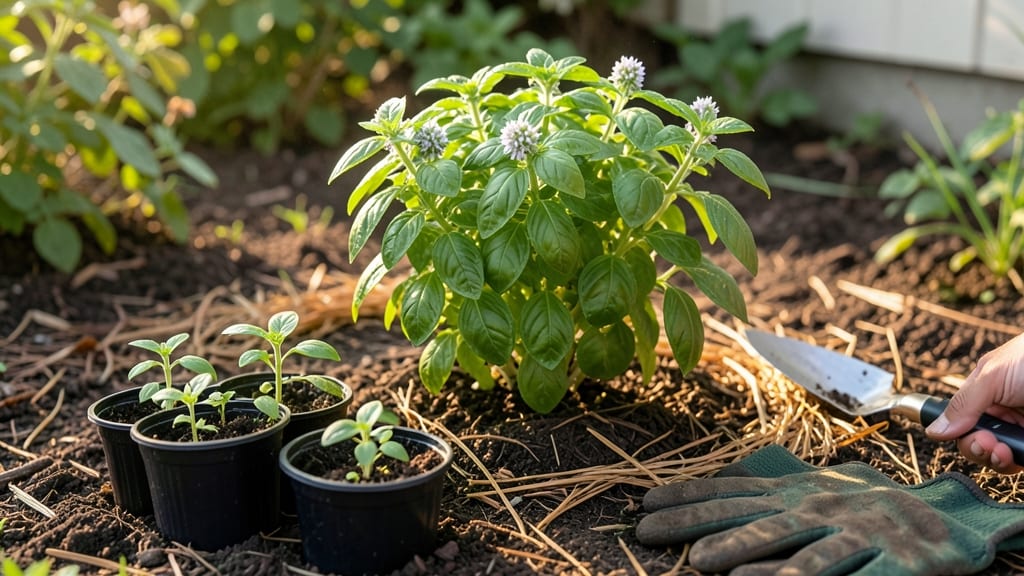
Timing your basil planting in Virginia’s Zone 7A/7B isn’t just about luck—it’s the secret to a garden bursting with fragrant 🌿 leaves all summer long. Skip the guesswork and plant after the last frost, typically between April 15 and May 15, when soil warms to at least 50°F.
This window ensures your basil thrives instead of wilting under unexpected chilly nights.
Whether you’re a seasoned gardener or a first-timer, getting the timing right is half the battle. Direct sowing works for hardy varieties, but starting indoors 4-6 weeks before the last frost gives you a head start.
I’ll walk you through the exact steps to avoid common pitfalls and maximize your harvest from June through October.
Virginia’s climate throws a few curveballs—coastal areas may have later frosts, while inland zones warm up faster. Don’t let these differences stress you out; I’ve got the zone-specific tips to keep your basil happy, whether you’re in Richmond or Norfolk.
Ready to grow basil that’s lush, flavorful, and ready for pesto by summer?
Let’s dive into the frost-free timeline and strategies to extend your basil’s harvest, so you’re snipping fresh leaves long after your neighbors’ gardens have faded. Your kitchen (and your taste buds) will thank you!
Virginia’s basil planting timeline: exact dates by zone 7A/7B
Timing your basil planting in Virginia’s Zone 7A/7B starts with understanding the last frost dates—typically between March 15 and April 15, depending on microclimates. Basil is a warm-season herb that won’t tolerate frost, so waiting until after the last frost is critical.
For most of Virginia, this means aiming for mid-April to early May for direct sowing or transplanting.
Basil seeds also need soil temperatures above 50°F to germinate properly. If you’re starting indoors, begin seeds 4-6 weeks before your last frost date—around February 15 to March 1—to have sturdy seedlings ready for transplanting.
This gives your basil enough time to mature before Virginia’s summer heat peaks, ensuring a longer harvest window.
Here’s a quick breakdown of your basil planting timeline in Virginia:
| Stage | Action | Notes |
|---|---|---|
| Indoor Start | Sow seeds | Feb 15–March 1 (4–6 weeks before last frost) |
| Transplant Outdoors | Move seedlings | Mid-April–early May (after last frost) |
| Direct Sowing | Plant seeds outdoors | Late April–early May (soil >50°F) |
| First Harvest | Pick leaves | 6–8 weeks after transplanting (June) |
| Peak Harvest | Harvest regularly | July–September (before frost) |
If you’re in Zone 7A (cooler microclimates like the Shenandoah Valley), err on the later side of these dates to avoid late spring frosts. For Zone 7B (warmer areas like Richmond or Norfolk), you can plant slightly earlier, especially if you use row covers for extra protection.
Always check your local Virginia Cooperative Extension for hyper-local frost data—even a few miles can shift your timeline by a week.
Basil thrives in 6–8 hours of sunlight daily, so choose a spot with full sun exposure. In Virginia’s heat, afternoon shade can prevent bolting (premature flowering), which dulls flavor.
If your garden gets intense afternoon sun, consider planting basil near taller crops like tomatoes or peppers to provide natural shade during peak heat hours.
For container gardening, which is ideal for urban Virginia gardeners, start seeds in pots indoors by late February. Use 5–6 inch pots with well-draining soil, and move containers outdoors only after the last frost.
Containers warm up faster than garden beds, so they’re perfect for extending your growing season in cooler Virginia springs.
Pro tip: Mark your calendar for June 1–15 as your first harvest window. Basil grows quickly—if you plant too late, you might miss the peak flavor window before Virginia’s summers turn scorching.
Aim to have your basil established by late May to ensure a long, flavorful harvest through September or October, depending on your microclimate.
Don’t forget to harden off your seedlings if starting indoors. This means gradually exposing them to outdoor conditions over 7–10 days before transplanting. Skip this step, and your basil may shock and wilt in Virginia’s unpredictable spring weather.
🌱
How to extend your basil harvest in Virginia’s short growing season
Virginia’s short growing season doesn’t have to limit your basil harvest. With the right strategies, you can enjoy fresh leaves from early summer through fall. The key is succession planting, which means staggering your plantings every 2-3 weeks after the last frost.
This ensures a steady supply of basil when one batch starts to bolt or slow down.
Another game-changer is container gardening. Basil thrives in pots, and you can move them to sunniest spots or even indoors near a south-facing window if temperatures drop unexpectedly. This flexibility lets you extend the season well into October, even when nighttime temps dip below 50°F.
For those late frosts that sneak up in Virginia’s unpredictable spring, use cold frames or lightweight row covers. These create a mini greenhouse effect, protecting tender basil seedlings from 32°F temperatures. Just
🌿 Companion planting is another smart move. Pair your basil with tomatoes, peppers, or oregano—these plants repel pests and improve growth. Avoid planting near rue or sage, as they stunt basil’s flavor and vigor. A well-planned garden layout can add 2-3 extra weeks to your harvest season.
If you’re worried about early heat waves causing basil to bolt prematurely, try shade cloth during peak afternoon sun. Basil prefers warmth but can’t handle the 90°F+ temps Virginia summers often bring. A 30-50% shade cloth keeps leaves lush and flavorful longer.
For a second harvest in fall, start new seeds indoors in August and transplant them outside after Labor Day. These late-season plants will mature just in time for holiday cooking and give you fresh basil when most gardens are winding down.
With these tricks, you’ll turn Virginia’s limited growing season into a basil bonanza. The secret? Plan ahead, protect your plants, and keep sowing—your kitchen will thank you all year long! 🌱