
Plants
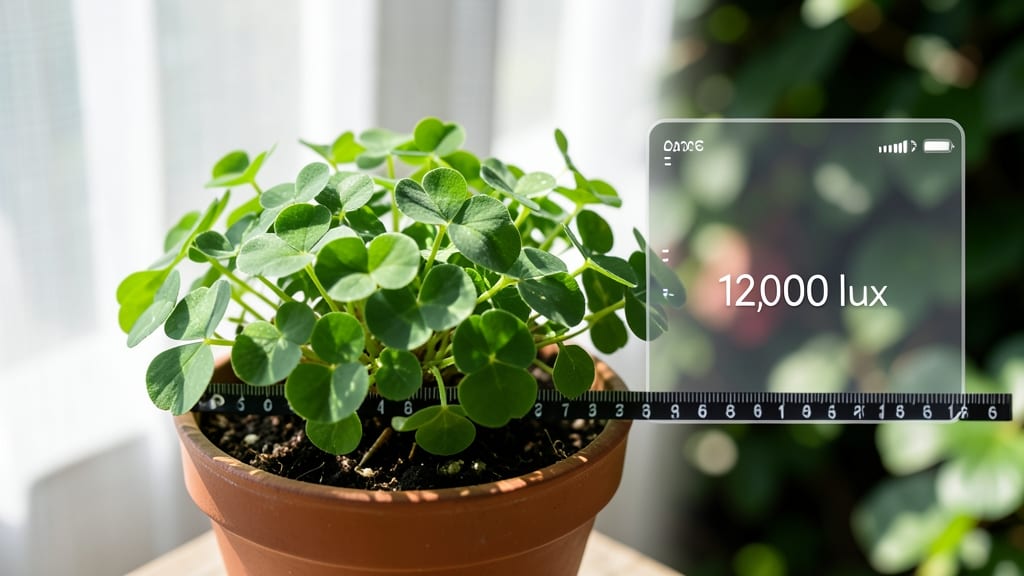
If your 🍀 shamrock plant keeps stretching toward the window like it’s searching for a hug, you’re not alone—most gardeners struggle with how much light does a shamrock plant need to thrive.
The secret to lush, vibrant shamrock growth lies in bright indirect light, but too much direct sun or too little can turn your plant into a sad, leggy shadow of its potential.
Shamrocks thrive in partial shade, mimicking their natural woodland habitat where dappled sunlight filters through trees. That means finding the perfect balance: enough light to fuel growth without scorching delicate leaves.
Whether you’re growing yours indoors by a sunny window or outdoors in USDA Zone 6a, small adjustments can make all the difference.
I’ll show you exactly how to spot the signs of under- or over-lighting—think pale, sparse leaves or crispy brown edges—and how to fix it fast. Plus, I’ll share my top tips for indoor setups, including the best windows and even artificial light solutions for those darker corners.
By the end, you’ll know exactly where to place your shamrock for that ideal 3-6 hours of bright, filtered light per day, so you can enjoy a bushy, happy plant all spring long. Let’s get started!

Ideal light requirements for a healthy shamrock plant
Shamrock plants (Oxalis spp.) thrive in bright indirect light, making them perfect for homes with natural light but no harsh midday sun. Unlike sun-loving succulents, these plants prefer filtered sunlight that mimics their native woodland habitats.
Too little light leads to leggy growth, while too much causes leaf scorch—balancing both is key to keeping your shamrock lush and vibrant.
For optimal growth, aim for 3 to 6 hours of bright indirect light daily. This could mean placing your shamrock near an east-facing window (gentle morning sun) or a west-facing window (soft afternoon light).
South-facing windows work too, but use a sheer curtain to diffuse the intensity during peak sun hours (10 AM–2 PM).
Outdoor shamrocks adapt well to partial shade gardens, especially in hot climates. In cooler regions, they tolerate morning sun with afternoon shade. Always monitor leaves for color changes—deep green means perfect light, while pale yellow signals insufficient brightness.
Seasonal adjustments matter too. During spring and fall, shamrocks enjoy slightly more direct light (up to 4 hours/day), while summer’s intense rays demand extra shade protection. Rotate your plant weekly to ensure even light exposure, preventing one-sided growth that weakens stems.
If your home lacks natural light, grow lights become essential. LED grow lights with a cool white spectrum (5000–6500K) work best, placed 6–12 inches above the plant for 12–14 hours daily. Avoid incandescent bulbs—they emit too much heat and can damage delicate shamrock foliage.
Pro tip: Test your light setup with the "shadow test". Hold a piece of paper near your plant—if the shadow is sharp and dark, the light is too direct. If it’s soft and fuzzy, you’ve found the perfect balance for your shamrock’s needs.
| Light Condition | Daily Exposure | Leaf Color | Growth Effect |
|---|---|---|---|
| Bright Indirect | 3–6 hours | Deep green | Healthy, bushy |
| Low Light | <2 hours | Pale yellow | Leggy, sparse |
| Direct Sun | >6 hours | Brown patches | Scorched leaves |
Shamrocks with tri-foliate leaves (like Oxalis regnellii) tolerate slightly more light than varieties with clover-like foliage. Always match light levels to your specific variety—check the plant tag for clues. For example, Irish shamrocks (Trifolium) need more shade than woodland oxalis species.
In low-light homes, supplement with a timer-controlled grow light to maintain consistency. Place the light 12 inches above the plant and set it to mimic natural daylight cycles. Avoid placing shamrocks near HVAC vents or drafty windows—temperature fluctuations stress plants and interfere with light absorption.
Remember: Morning light is gentler than afternoon sun, making it ideal for shamrocks. If your plant starts stretching toward a window, it’s begging for more brightness. Rotate it quarter-turns weekly to encourage even growth and prevent lopsided development.
With the right light balance, your shamrock will reward you with vibrant foliage and occasional delicate flowers—proof you’ve cracked the code for happy, healthy shamrock care! 🍀
Ideal light requirements for a healthy shamrock plant
Shamrocks (Oxalis spp.) crave bright indirect light to mimic their woodland origins, where sunlight filters gently through tree canopies. Aim for 3-6 hours of filtered sunlight daily, especially during their spring growing season.
This means avoiding harsh midday sun, which can scorch delicate leaves, while ensuring enough light to prevent leggy, weak growth.
In USDA Zone 6a, outdoor shamrocks thrive in partial shade gardens—think dappled sunlight under trees or along north-facing walls. If growing indoors, place them 2-3 feet from an east or west-facing window to capture morning or late afternoon light without intense afternoon rays.
Here’s the key: bright indirect light is non-negotiable. Direct sun for more than 2 hours daily risks brown leaf edges, while too little light leads to pale, sparse foliage. The goal is a balance that keeps leaves deep green and compact, not stretched or crispy.
| Light Condition | Ideal Hours/Day | Best Location | Leaf Color |
|---|---|---|---|
| Bright Indirect | 3-6 hours | East/West window, under trees | Deep green |
| Direct Sun | >2 hours | South window, full sun | Brown edges |
| Low Light | <2 hours | North window, dark corner | Pale yellow |
Seasonal shifts matter too. In spring and early summer, when shamrocks grow most actively, they tolerate slightly more light—up to 4-5 hours of morning sun. But by late summer, when growth slows, reduce exposure to 2-3 hours of filtered light to prevent stress.
For Oxalis regnellii varieties, which are slightly more sun-tolerant, you can push to 4-6 hours of bright indirect light, but always monitor leaves for signs of stress.
If you notice yellowing between veins, it’s a classic sign of too much light—move the plant further from the window or add a sheer curtain.
Pro tip: Rotate your shamrock plant quarter-turns weekly to ensure even light exposure. This prevents lopsided growth and helps the plant develop a compact, bushy shape—perfect for those lucky St. Patrick’s Day displays! 🍀