
How To
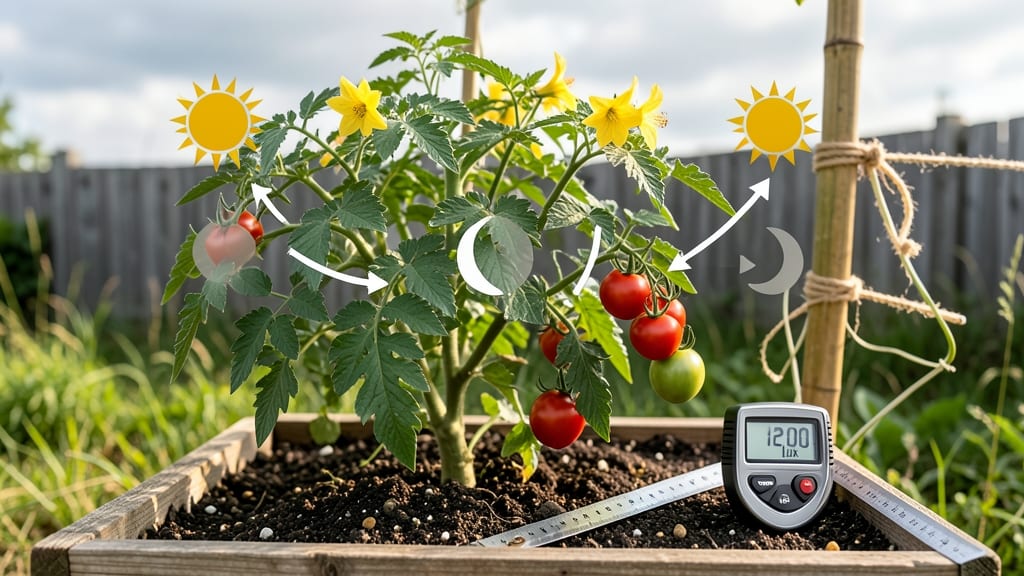
If your 🍅 tomato plants are struggling to produce fruit—or worse, just look sad—you might be missing the mark on one critical factor: how much light does a tomato plant need? The right amount of light isn’t just about keeping leaves happy; it’s the difference between a bountiful harvest and a sad, scraggly plant that barely sets a tomato.
Most gardeners know tomatoes thrive in full sun, but the answer changes as your plant grows, from delicate seedlings to heavy-fruiting vines. Too little light, and your tomatoes won’t ripen; too much, and you’ll end up with scorched leaves and bitter fruit.
Let’s break down the exact sunlight hours your tomatoes need at every stage—plus how to fix common light mistakes before they ruin your harvest.
Whether you’re growing in a backyard garden, containers on a balcony, or even under grow lights indoors, this guide will help you dial in the perfect light conditions. You’ll learn how to spot signs of light stress, adjust for shady spots, and even supplement sunlight when nature falls short.
No more guessing—just science-backed, easy-to-follow advice to grow tomatoes that actually produce.
Ready to turn those leggy, fruitless plants into thriving vines loaded with ripe tomatoes? Let’s get started with the sunlight breakdown your 🍅 plants have been begging for.

Tomato plant sunlight requirements by growth stage: full breakdown
Tomato plants are sun worshippers—6 to 8+ hours of direct sunlight daily is their sweet spot for thriving and producing juicy, flavorful fruit. But their light needs shift dramatically from seedling to fruiting stage.
Understanding these changes helps you maximize yield and avoid common pitfalls like blossom drop or sunburned leaves. Let’s break down the ideal sunlight exposure at each stage, plus how to adapt for indoor growing or shady climates.
For seedlings (0-4 weeks), start with 4-6 hours of bright, indirect light. This prevents leggy growth while protecting delicate stems from harsh midday sun. Use a south-facing window or a grow light 6-12 inches away for consistent results.
Too little light here sets the stage for weak plants that struggle later.
Transplanting (4-6 weeks) marks the transition to full sun. Harden off seedlings by gradually increasing sunlight exposure over 5-7 days. Once planted outdoors, ensure they receive at least 6 hours of direct sun daily. If your garden gets partial shade, prioritize morning sun (cooler temperatures) and supplement with afternoon shade cloth to prevent stress.
Here’s a quick reference for sunlight needs by growth stage, including adjustments for container gardens and northern climates:
| Growth Stage | Sunlight Needs | Adjustments |
|---|---|---|
| Seedlings (0-4 weeks) | 4-6 hours bright indirect light | Grow light 6-12" away or south-facing window |
| Transplanting (4-6 weeks) | 6+ hours direct sun (gradual increase) | Hardening off over 5-7 days; use shade cloth for afternoon sun |
| Vegetative (6-8 weeks) | 8+ hours full sun | South-facing location; rotate plants weekly for even growth |
| Flowering/Fruiting (8+ weeks) | 6-8 hours direct sun (morning priority) | Dappled shade in extreme heat; mulch to retain moisture |
| Container/Indoor | 12-16 hours grow light daily | LED grow lights 2-3" above plants; rotate daily |
During the vegetative stage (6-8 weeks), tomato plants need 8+ hours of full sun to build strong stems and foliage. This is when they’re most active in leaf production, and insufficient light leads to stunted growth or yellowing leaves.
If your garden gets afternoon shade, place plants where they catch the morning sun first—it’s gentler and avoids heat stress.
Once flowers appear (flowering/fruiting stage, 8+ weeks), shift to 6-8 hours of direct sun daily. Too much midday sun can cause blossom drop or fruit sunscald, while too little reduces sugar content in tomatoes.
In hot climates, provide afternoon shade (30-50% shade cloth) to protect plants without sacrificing light.
For container gardens or indoor growing, mimic natural sunlight with LED grow lights (preferred for energy efficiency) or fluorescent bulbs. Position lights 2-3 inches above plants and run them for 12-16 hours daily to compensate for limited natural light. Rotate containers weekly to prevent one-sided growth.
Pro tip: Use a light meter (or phone app) to measure sunlight intensity. Tomato plants thrive with 10,000-15,000 lux during peak hours. If readings drop below 5,000 lux, supplement with artificial light immediately to avoid stress.
🌱
Tomato plant sunlight requirements by growth stage: full breakdown
Tomato plants are sun worshippers, and their light needs change dramatically as they grow. Seedlings need gentle 4-6 hours of light to avoid stretching, while mature plants demand 8+ hours of full sun to produce sweet, ripe fruit.
Understanding these stages helps you adjust placement or lighting solutions for maximum yield.
For seedlings (weeks 1-4), too much direct sun can scorch tender leaves. Start with 4-6 hours of indirect light or use a grow light 6-12 inches away for 12-14 hours daily. This prevents leggy growth while keeping them sturdy for transplanting.
| Growth Stage | Sunlight Needs | Key Notes |
|---|---|---|
| Seedlings (1-4 weeks) | 4-6 hours indirect light | Use grow lights 6-12" away; avoid direct sun |
| Transplant to Garden (4-6 weeks) | 6-8 hours full sun | Hardening off prevents shock; south-facing spots ideal |
| Vegetative Growth (6-10 weeks) | 8+ hours full sun | Morning sun + afternoon shade in hot climates |
| Fruiting Stage (10+ weeks) | 10+ hours full sun | Insufficient light = poor fruit set; supplement with grow lights if needed |
During vegetative growth (6-10 weeks), your plants are building foliage and stems. This is when they crave 8+ hours of full sun, but watch for midday heat stress in hot climates.
If leaves look yellow or crispy, provide afternoon shade with a lightweight shade cloth (30-50%).
When flowers appear and fruit sets, the stakes are higher. Tomato plants need 10+ hours of sunlight daily to develop sugar-rich fruit.
If your location gets less than 6 hours of sun, consider container growing on a sunny patio or supplement with LED grow lights for 12-14 hours.
For container-grown tomatoes, rotate pots weekly to ensure even light exposure. South-facing windows or balconies are ideal, but avoid west-facing spots in hot climates—afternoon sun can scorch leaves. If indoors, place plants within 12 inches of a south-facing window or use reflective surfaces to maximize light.
Monitor your plants’ leaf color and growth rate to fine-tune light exposure. Dark green leaves with small gaps between branches mean they’re happy, while pale yellow leaves or stretched stems signal a need for more light. Adjust gradually to avoid shocking the plant.