
Plants
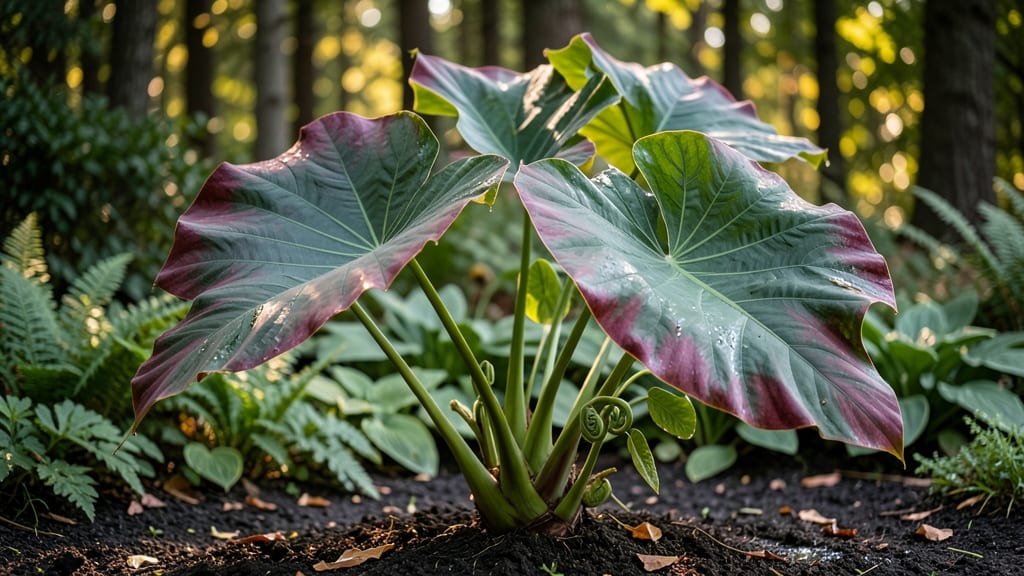
If your Elephant Ear 🌿 plant is looking sad—droopy leaves, pale colors, or crispy edges—chances are, its light needs aren’t being met. These tropical beauties thrive in bright, filtered sunlight, but too much direct sun can scorch them, while too little leaves them leggy and weak.
The key is finding that perfect balance, whether you're growing them in USDA Zone 6a or a sunny patio.
Most gardeners assume Elephant Ear plants need full sun, but that’s a common mistake. In reality, they prefer partial shade, especially in hot afternoons, where temperatures can quickly turn their lush foliage into crispy messes. Think of them as divas—they want attention, but not the harsh spotlight.
So how do you get it right? Start by placing them where they receive 4-6 hours of bright, indirect light daily, like near an east-facing window or under the dappled shade of a tree.
In containers, rotate them occasionally to ensure even growth. And if you notice yellowing leaves or brown patches, it’s time to adjust.
I’ll walk you through the exact light conditions your Elephant Ear needs to stay vibrant all season, plus tips for troubleshooting common light-related issues. Let’s get those leaves looking their best!

Ideal light requirements for elephant ear plants: bright, indirect sunlight explained
Elephant ear plants (Colocasia spp.) thrive in bright, indirect sunlight—think of it as the perfect balance between tropical shade and gentle morning rays.
These plants originate from humid, forested areas where sunlight filters through the canopy, so recreating that environment is key. Too little light causes leggy growth and pale leaves, while direct afternoon sun can scorch their delicate foliage in as little as 2 hours of exposure.
In most climates, aim for 4-6 hours of morning sun followed by afternoon shade. This mimics their natural habitat and prevents the sunburn spots that turn leaves crispy and brown. For example, planting them near a east-facing window or under a dappled shade tree creates an ideal microclimate.
If you're in a hot, dry region like USDA Zone 9 or 10, even morning sun can be too intense—opt for filtered light through sheer curtains instead.
| Light Condition | Ideal Hours | Best For | Climate Notes |
|---|---|---|---|
| Bright Indirect Light | 4-6 hours | East-facing windows, under trees | Temperate zones (6a-8b) |
| Filtered Sunlight | 2-4 hours | Patios with afternoon shade | Hot/dry regions (9-11) |
| Low Light (Minimum) | 2 hours or less | North-facing rooms, deep shade | Emergency care only |
Seasonal adjustments are crucial because sunlight intensity changes dramatically. During spring and fall, when days are shorter, your elephant ear can handle slightly more direct light—up to 6 hours total—without risking damage.
However, in summer, when UV rays are strongest, reduce exposure to morning-only sunlight or move containers to shadier spots by 10 AM. I’ve seen dramatic improvements in leaf health by simply rotating pots every 2 weeks to ensure even light distribution.
For container growers, the size and material of your pot affects light absorption. Dark-colored containers absorb more heat, which can stress roots even if the plant gets the right light. Opt for light-colored or terracotta pots to reflect excess heat while still providing the ideal moisture-retentive environment these plants crave.
Pro tip: Place a white pebble tray under pots to bounce extra light upward during cloudy days.
If you’re growing elephant ears indoors, prioritize east-facing windows over south or west exposures. South windows can deliver too much direct light, while west windows often mean harsh afternoon sun that accelerates leaf burn.
Supplement with a grow light on a timer (12-14 hours/day) if natural light falls short of 4 hours daily. LED grow lights with a cool white spectrum are my top recommendation—they mimic natural daylight without overheating leaves.
One common misconception is that "more light is always better." But elephant ears are not sun-loving plants like succulents or tomatoes. Their large, broad leaves are designed to maximize shade adaptation, not bask in full sun.
In fact, over-exposure triggers a defense mechanism called photoinhibition, where chlorophyll production slows to protect the plant—resulting in stunted growth and dull foliage. Always introduce new light conditions gradually over 1-2 weeks to avoid shocking the plant.
Humidity plays a hidden role in light tolerance. In dry climates, even the right amount of light can stress elephant ears because their leaves lose moisture faster. Pair bright indirect light with 50-70% humidity (use a humidifier or pebble tray) to help them thrive.
I’ve noticed my ‘Black Stem’ variety develops deeper purple hues when humidity is high, even under the same light conditions—proof that these plants are light-sensitive AND humidity-dependent.
Test your spot’s light quality with this simple trick: Place a white piece of paper where your plant will sit. If the shadows are soft and diffuse, it’s ideal. If shadows are sharp and dark, the area gets too much direct sun.
For outdoor gardens, avoid south-facing walls or fences that reflect intense sunlight. Instead, create shade with lattice screens or sheer fabric canopies to diffuse light while still allowing airflow.
Remember, elephant ears are not drought-tolerant, so their light needs are closely tied to watering. In brighter spots, they’ll need more frequent watering (every 2-3 days) to compensate for increased evaporation.
Conversely, in low-light areas, reduce watering to every 5-7 days to prevent root rot. The key is keeping soil consistently moist but never soggy, regardless of light conditions.
Ideal light requirements for elephant ear plants: bright, indirect sunlight explained
Elephant ear plants (Colocasia spp.) thrive in bright, indirect sunlight, mimicking their natural tropical understory habitat. While they tolerate some direct sun, harsh afternoon rays can scorch their delicate leaves, especially in hot climates. Aim for 4-6 hours of filtered light daily, adjusting for seasonal intensity.
The key is morning sun exposure—place your plants where they receive gentle sunlight between 6 AM and 10 AM, then transition to dappled shade. This balance prevents leaf burn while maintaining vibrant foliage. In containers, rotate pots weekly to ensure even light distribution.
For temperate climates, partial shade (30-50% sunlight) is ideal, especially during summer months. In tropical regions, they can handle more sun if kept consistently moist. Always monitor leaf color: deep green means perfect light, while yellowing or brown edges signal stress.
| Light Condition | Daily Hours | Best For | Climate Note |
|---|---|---|---|
| Bright Indirect | 4-6 hours | All regions | Ideal for containers |
| Morning Sun + Afternoon Shade | 3-5 hours direct | Temperate zones | Prevents leaf scorch |
| Dappled Shade | 2-4 hours filtered | Hot climates | Best for young plants |
| Full Shade | <2 hours | Indoor settings | Use grow lights |
In indoor settings, position elephant ears near east-facing windows where they receive soft, diffused light. South-facing windows may require sheer curtains to filter intensity. If natural light is insufficient, supplement with LED grow lights (12-14 hours daily) to maintain growth vigor.
Seasonal adjustments are crucial: Reduce direct sun exposure during peak summer months (June-August) by moving plants to shadier spots or under tree canopies. Conversely, in winter, they can tolerate slightly more light as daylight shortens naturally.
For container growing, choose locations with reflective surfaces (like white walls or gravel) to maximize light diffusion. Avoid placing pots in dead zones where light is blocked by structures or other plants. Regularly check soil moisture—drier conditions increase light sensitivity.