
Plants
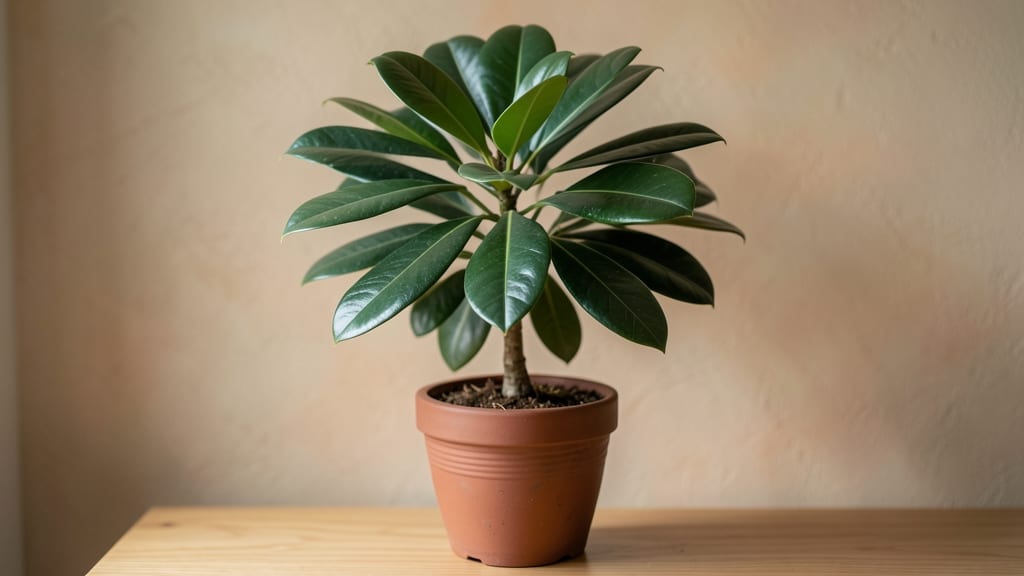
If your Umbrella Plant 🌿 looks more like a sad, droopy mess than the lush, vibrant beauty it should be, chances are its light needs aren't being met.
This hardy houseplant thrives in bright indirect light, but too much direct sun or too little brightness can send it into a downward spiral faster than you'd expect.
I’ve watched my own Umbrella Plant go from glossy green leaves to crispy brown edges in just a few days when I moved it to a south-facing window without thinking.
The key isn’t just "more light"—it’s the right kind of light, and knowing exactly how much your plant needs to stay happy and healthy.
Whether you’re dealing with leggy stems or yellowing leaves, understanding the ideal light conditions will help you transform your plant’s health. I’ll show you how to spot the signs of light stress and where to place your Umbrella Plant—indoors or out—to keep it thriving year-round.
Let’s get your plant back to its best with the perfect balance of sunlight, because once you nail this, you’ll see the difference in just a few weeks.

Ideal light requirements for umbrella plants: sun vs. shade balance
Umbrella plants (Schefflera spp.) thrive in bright indirect light, making them perfect for homes with natural daylight but no harsh midday sun. These tropical beauties mimic their native understory habitat, where dappled sunlight filters through taller trees.
Without the right light balance, you’ll see either stretched, weak stems or bleached, crispy leaves—both clear signs your plant is struggling.
In nature, umbrella plants grow under 60% sunlight exposure, which translates to 4-6 hours of bright, filtered light per day indoors. This means placing them near east-facing windows (gentle morning sun) or west-facing windows (softer afternoon light) works best.
South-facing windows can be too intense unless you use a sheer curtain to diffuse the rays.
The key is avoiding direct afternoon sun, which burns leaves and causes brown patches along the edges. Even outdoor umbrella plants need partial shade, especially in hot climates where temperatures exceed 85°F.
If you’re growing yours outside, choose a spot with morning sun and afternoon shade—think dappled light under a patio umbrella or near a tree canopy.
Here’s how to visualize the perfect light setup: Imagine your umbrella plant sitting 2-3 feet away from a window, where the light feels soft enough to read a book without squinting.
If you can see shadows but not harsh glare, you’ve hit the sweet spot. This setup mimics the filtered light they’d receive in their tropical homelands.
| Light Condition | Ideal Hours/Day | Best Placement | Leaf Response |
|---|---|---|---|
| Bright Indirect Light | 4-6 hours | East/west window, 2-3 ft away | Deep green, glossy leaves |
| Low Light | <2 hours | North window or dim corner | Pale, yellowing leaves |
| Direct Sunlight | >6 hours | South window without curtain | Brown crispy edges, bleached spots |
| Partial Shade (Outdoor) | Morning sun + afternoon shade | Patio under umbrella or tree | Healthy growth, no stress |
One common misconception is that umbrella plants can thrive in low-light offices—while they can survive there, they’ll grow leggy and sparse, with leaves stretching toward any available light source. This is your plant’s way of begging for more brightness!
If you notice new leaves forming smaller than the older ones, it’s a red flag that your umbrella plant needs more light immediately.
For outdoor growers, seasonal adjustments are crucial. In spring and fall, umbrella plants can handle up to 4 hours of direct morning sun, but by summer, you’ll need to provide afternoon shade to prevent leaf scorch.
A simple trick is to rotate your plant every few weeks—this ensures even growth and helps all leaves get equal access to light, preventing one-sided development.
Pro tip: If your home lacks natural light, consider grow lights with a 6500K color temperature (cool white) for 12-14 hours daily. Position the light 6-12 inches above the plant and adjust as it grows.
LED grow lights are energy-efficient and won’t overheat like older bulbs, making them ideal for indoor umbrella plant care.
Remember, the goal is to mimic their natural habitat—think dappled sunlight through a forest canopy, not the harsh glare of a desert sun. With the right light balance, your umbrella plant will reward you with vibrant foliage and compact, bushy growth that’s the envy of every plant lover.
Ideal light requirements for umbrella plants: sun vs. shade balance
Your Umbrella Plant (Schefflera) thrives in bright indirect light, mimicking its natural habitat under forest canopies. This means it needs plenty of light—but not the harsh, direct rays that can scorch its delicate leaves.
Think of it as a plant that loves dappled sunlight, like the gentle glow filtering through tree leaves on a sunny day.
The ideal spot delivers 4-6 hours of bright light daily, but the light should be soft and diffused. Direct sunlight for more than 2-3 hours can cause leaf burn, turning those glossy green leaves brown and crispy.
On the flip side, too little light leads to leggy growth and pale, weak foliage—signs your plant is stretching toward any available light source.
Here’s the perfect balance for your Umbrella Plant’s light needs:
| Light Requirement | Specification |
|---|---|
| Daily Light Hours | 4-6 hours |
| Light Type | Bright indirect light |
| Direct Sun Tolerance | Morning sun only (max 2-3 hours) |
| Best Indoor Placement | East or north-facing window |
| Outdoor Placement | Partial shade under trees |
If you’re placing your Umbrella Plant near a window, position it 2-3 feet away to filter out harsh rays while still getting enough brightness. For outdoor growers, a shaded patio or balcony with morning sun and afternoon shade is perfect.
Avoid south- or west-facing spots, as the intense afternoon sun can damage leaves quickly.
Pro tip: Rotate your plant quarter-turn weekly to ensure even light exposure. This prevents one side from leaning toward the light source, keeping those lush, symmetrical leaves looking their best. Uneven growth is a classic sign your plant isn’t getting balanced light.
Monitor your plant’s leaves—they’re your best indicator of whether you’ve got the light right. Healthy leaves stay deep green and glossy, while stressed leaves turn yellow, brown, or develop crispy edges.
Adjust the placement gradually if you notice these signs, and you’ll see a noticeable improvement in just a few weeks.