
How To
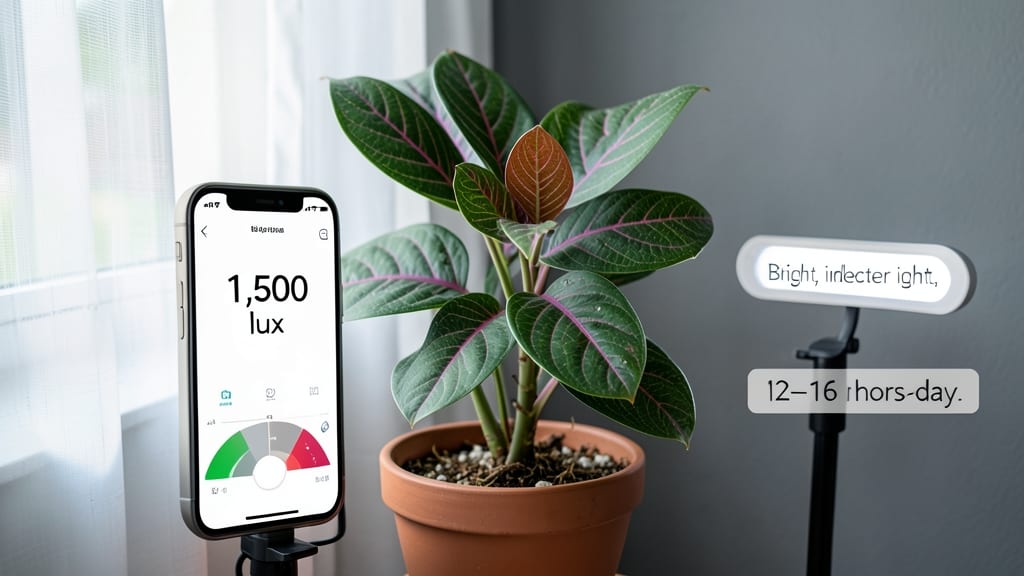
Wondering how much light does a prayer plant need to thrive? If your 🌿 Maranta leuconeura is looking a little sad—think droopy leaves or faded colors—light might be the culprit.
This striking houseplant isn’t picky, but it does need the right balance: too little and it wilts, too much and it burns.
Most prayer plants love bright, indirect light—think of a spot near an east-facing window where they get morning sun but stay shaded in the afternoon. It’s all about mimicking their natural tropical habitat without exposing them to harsh rays.
I’ve seen firsthand how a simple adjustment can turn a struggling plant into a lush, vibrant showstopper.
What’s the secret? Start by observing your plant’s reaction to its current light. Are the leaves curling or turning yellow? That’s your cue to move it to a brighter (but still indirect) spot.
On the flip side, crispy edges or brown patches mean it’s getting too much direct sunlight. Let’s break down exactly how to get it just right.
You’ll also discover easy fixes for low-light spaces—because even apartments with dim corners can support a thriving prayer plant. With the right light, your plant will reward you with those signature folded leaves and deep green hues. Ready to bring it back to life?

Ideal light requirements for prayer plant growth: bright indirect sunlight explained
The prayer plant (Maranta leuconeura) thrives under bright indirect light, making it perfect for indoor spaces near windows. Unlike sun-loving plants, it avoids harsh afternoon rays that can scorch its delicate velvet-like leaves.
Think of it as a plant that enjoys a gentle morning glow with afternoon shade—similar to the dappled light of a forest understory.
In my experience, positioning your prayer plant 2-3 feet from an east-facing window provides the ideal balance. East-facing windows offer soft morning sunlight while blocking intense afternoon heat. If you only have south- or west-facing windows, use a light sheer curtain to diffuse the light and prevent leaf burn.
Direct sunlight for more than 2-3 hours daily can cause brown crispy edges on leaves, while low light conditions lead to stretched, pale foliage and slower growth. The goal is to mimic its natural habitat—moderate humidity and filtered light—where it grows under the canopy of tropical forests.
Here’s how to visualize the perfect light setup for your prayer plant:
Seasonal adjustments are key for indoor prayer plants. During summer months, when sunlight is intense, move your plant further from the window or add a light filter. In winter, when natural light dims, supplement with a grow light for 12-14 hours daily to maintain its energy levels.
Outdoor gardeners can enjoy prayer plants in shady garden spots with dappled sunlight, like under a tree canopy or near a north-facing wall. Just avoid full sun exposure, especially during peak afternoon hours when UV rays are strongest.
A 50% shade cloth can work wonders for outdoor plants in hot climates.
Pro tip: Rotate your prayer plant quarter-turn every 2 weeks to ensure even light exposure. This prevents one-sided growth and keeps those stunning variegated patterns symmetrical. Uneven light causes leaves to grow toward the light source, creating a lopsided appearance that’s hard to reverse.
If you notice your prayer plant’s leaves drooping slightly at night, don’t panic—this is normal! The plant folds its leaves upward in a prayer-like position, which is how it got its name.
However, if the drooping happens during the day, it’s often a sign of underwatering or low humidity, not light issues.
For maximum growth, aim for 60% light intensity (measured on a light meter or by observing leaf health). A healthy prayer plant will have deep green leaves with visible veins and compact, bushy growth.
When you achieve this balance, you’ll see those iconic prayer-like leaf movements at dawn and dusk—proof your plant is thriving!
Ideal light requirements for prayer plant growth: bright indirect sunlight explained
Prayer plants (Maranta leuconeura) thrive in bright indirect light, mimicking their native tropical understory habitat. This means they need plenty of light without harsh direct rays that can scorch their delicate leaves. Think of it like a gentle morning sunbath—ideal for their growth but not an all-day bake.
The perfect spot is near an east-facing window, where they receive 4-6 hours of filtered sunlight daily. This setup provides enough light for vibrant foliage without the risk of leaf burn.
South-facing windows can work too, but you’ll need to filter the light with a sheer curtain during peak afternoon hours when the sun is strongest.
If you're growing your prayer plant outdoors, choose a location with dappled shade, like under a tree canopy or on a shaded patio.
These plants can tolerate some direct morning sun, but avoid placing them where they’d get hot afternoon rays, which can cause irreversible damage to their leaves.
🌱 Prayer Plant Light Requirements Summary
| Light Type | Ideal Conditions | Signs of Correct Light |
|---|---|---|
| Bright Indirect | East/west window, 2-3 ft away | Deep green leaves, upright growth |
| Direct Morning Sun | Up to 2 hours daily | Healthy color, no leaf burn |
| Low Light | North-facing window or dim room | Leggy growth, pale leaves |
| Harsh Direct Sun | South window without filter | Brown patches, crispy edges |
Seasonal adjustments are key—summer months require more caution. If you notice your prayer plant’s leaves starting to yellow or crisp at the edges, it’s getting too much direct sun. Move it back a few feet or add a sheer curtain to diffuse the light.
In winter, when natural light is scarce, you might need to supplement with a grow light to prevent leggy growth.
Pro tip: Rotate your plant quarter-turn weekly to ensure even light exposure. This prevents one side from stretching toward the light while the other remains weak. A well-lit prayer plant will reward you with bold foliage patterns and those signature folded leaves that make it so popular.
Remember, every home’s lighting is unique. Start with the east-facing window rule, then adjust based on your plant’s response. With the right light, your prayer plant will become the star of your indoor jungle—vibrant, healthy, and full of life. 🌿