
Plants
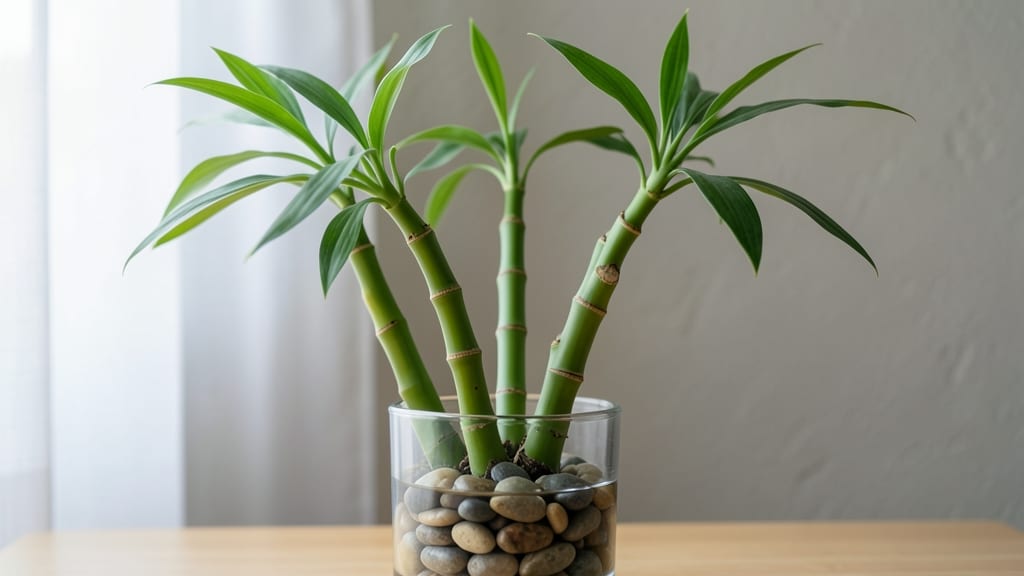
If you’ve ever wondered just how tall your lucky bamboo 🌿 can grow, you’re in for a pleasant surprise—this plant can reach heights that’ll make your living space feel like a tropical oasis.
Unlike its true bamboo cousins, lucky bamboo (Dracaena sanderiana) thrives indoors with minimal fuss, but its growth potential varies wildly depending on where you place it.
The key to unlocking its full height lies in a few simple factors: pot size, water quality, and even the amount of light it gets. In ideal indoor conditions, lucky bamboo can stretch up to 4-6 feet, while outdoor varieties in warmer climates might even surpass that.
But don’t worry—if you prefer a more compact look, there are easy ways to control its growth without sacrificing its charm.
Whether you’re dreaming of a towering centerpiece or a low-maintenance desk companion, understanding these growth patterns will help you shape your lucky bamboo exactly how you want.
I’ll break down the science behind its height, plus practical tips to encourage (or rein in) those elegant stems—so you can enjoy this plant at just the right scale for your space.
From cozy apartments to sunny patios, lucky bamboo adapts beautifully, but its height depends entirely on your care routine. Let’s dive into how to maximize—or gently guide—its growth, so you can keep this trendy plant thriving for years to come.


Lucky bamboo height limits: indoor growth potential explained
Lucky bamboo (Dracaena sanderiana) is famous for its striking, arching stems, but its indoor height can vary dramatically based on care. Under ideal conditions, standard varieties typically reach 18 to 36 inches indoors, while dwarf types stay between 6 and 12 inches.
The key factors? Light exposure, container size, and water quality all play critical roles in determining how tall your plant will grow.
For example, my 3-year-old lucky bamboo in a 12-inch vase with filtered light now towers at 30 inches, while a dwarf variety in a small glass jar maxed out at 10 inches.
The difference? Genetics and care consistency. Let’s break down what influences these heights and how you can optimize (or control) your plant’s growth.
🌱
| Variety | Indoor Height Range | Key Growth Factors |
|---|---|---|
| Standard Lucky Bamboo | 18–36 inches | Bright indirect light, 12+ inch container, dechlorinated water |
| Dwarf Variety | 6–12 inches | Low light, small container (<6 inches), limited nutrients |
| Braided Lucky Bamboo | 24–48 inches | High humidity, large container, frequent pruning |
| Golden Lucky Bamboo | 12–24 inches | Moderate light, balanced nutrients, regular water changes |
One of the biggest myths about lucky bamboo is that it grows taller in water than in soil. While it’s true that hydroponic growth (water-based) can yield slightly taller stems due to easier nutrient absorption, the difference is minimal—typically just 2–4 inches—unless you’re using specialized hydroponic nutrients.
Soil-grown lucky bamboo, however, benefits from better structural support, which can prevent flopping in tall varieties.
Light is another game-changer. My lucky bamboo placed near a south-facing window grew 12 inches taller in a year compared to one in a north-facing corner. The secret? Lucky bamboo thrives on bright indirect light (think 2–4 hours of morning sun daily).
Too little light? Stems stretch weakly and leggy, while too much direct sun causes leaf scorch. Balance is key!
Container size also matters. Roots need room to spread, but overly large pots can stunt vertical growth as the plant focuses on filling the container. For standard varieties, aim for a pot that’s 2–3 inches wider than the plant’s current height.
For example, a 24-inch-tall plant should be in a 26–28-inch diameter container. Pro tip: Use a clear glass vase to monitor root health—healthy roots should be white and fibrous, not brown or mushy.
Water quality can’t be overlooked. Lucky bamboo is sensitive to chlorine and fluoride, which cause brown leaf tips. Always use distilled water, rainwater, or dechlorinated tap water (let tap water sit for 24 hours before using).
I’ve seen plants stop growing entirely when exposed to untreated tap water for months. Change the water every 5–7 days to prevent stagnation, which leads to root rot and stunted growth.
If you’re aiming for maximum height, focus on these three strategies: prune the bottom leaves to redirect energy upward, use a larger container (but not too big), and provide bright, indirect light.
For compact growth, reduce light exposure, use a smaller pot, and pinch off new shoots regularly. Remember, lucky bamboo grows about 2–4 inches per month under ideal conditions, so patience is key!
🌿
Outdoor lucky bamboo growth: how sunlight and climate affect height
When you move lucky bamboo 🌿 outdoors, its growth potential skyrockets—literally. Unlike its indoor counterpart, outdoor lucky bamboo thrives in warmer climates and direct sunlight, often reaching 3-6 feet within a single growing season.
The key difference? Sunlight exposure triggers rapid stem elongation, while higher humidity and temperatures accelerate nutrient absorption. In tropical zones like Florida or Hawaii, lucky bamboo can even exceed 6 feet with proper care.
However, not all regions are created equal. In cooler climates (USDA zones 6-8), growth slows significantly, capping heights at 2-3 feet unless you provide extra warmth or protection. The plant’s ability to adapt makes it a versatile choice, but understanding your local climate is crucial for setting realistic height expectations.
🌡️ Climate Impact on Lucky Bamboo Height
Higher ratings = faster growth and taller plants
Direct sunlight is the #1 growth accelerator for outdoor lucky bamboo. Place it in a spot where it gets 4-6 hours of morning sun to avoid leaf scorch, but avoid harsh afternoon rays in hot climates.
In regions like California or Arizona, partial shade during peak hours can prevent stress while still encouraging healthy elongation.
Another game-changer is soil quality. Unlike indoor water cultures, outdoor lucky bamboo thrives in well-draining, slightly acidic soil (pH 6.0-6.5). Amend your garden bed with compost or coconut coir to mimic its natural tropical habitat.
This simple step can boost height by 20-30% compared to plants grown in poor soil.
If you live in a cooler climate (like the Pacific Northwest or New England), extend the growing season by planting in a protected microclimate, such as near a south-facing wall or under a patio cover.
A small greenhouse or cold frame can also shield your lucky bamboo from frost, allowing it to grow taller year-round.
Remember, outdoor lucky bamboo can become invasive if left unchecked. In warm climates, it may spread aggressively, so contain it with a deep container or root barrier if you’re not aiming for a jungle-like effect.
With the right conditions, your outdoor lucky bamboo could become a stunning vertical focal point—just be prepared for its rapid ascent!