
Plants
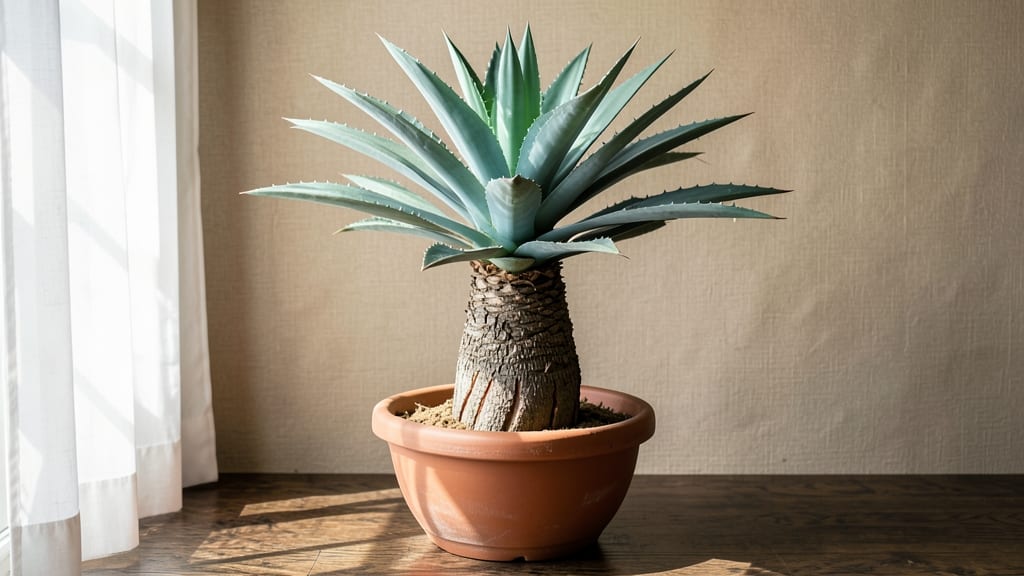
Ever wondered how tall a yucca plant can grow? The answer might surprise you—some varieties stretch taller than your garage door, while others stay compact enough for small gardens.
Knowing your yucca’s potential height isn’t just about aesthetics; it’s the key to choosing the right spot, preventing overgrowth, and ensuring your plant thrives for decades.
Not all yuccas are created equal. While Yucca rostrata (Spanish dagger) can shoot up like a desert skyscraper, Yucca filamentosa (Adam’s needle) stays closer to the ground, making it perfect for borders. The difference comes down to genetics, climate, and care—factors you can influence to shape your plant’s future.
Let’s break down what to expect from each variety and how to nurture them for maximum (or controlled) growth.
Growth isn’t just about height—it’s about patience. A 3-year-old yucca might still be a toddler at 5 feet, while a mature Yucca gigantea could dwarf your fence line by its 10th birthday. But don’t let that scare you off.
With the right soil, sunlight, and occasional pruning, you can steer your yucca toward your ideal size, whether you want a statement piece or a tidy accent plant.
Ready to plan your yucca’s future? We’ll cover the tallest (and shortest) varieties, how to spot overgrowth early, and pro tips to keep your plant happy—no matter how ambitious (or modest) your height goals. Let’s get growing!


Yucca plant height by variety: from compact to sky-scraping giants
Yucca plants offer a stunning range of heights, from compact shrubs under 3 feet to towering giants reaching 25 feet. The variety you choose determines not just height but also growth rate, maintenance needs, and landscape impact.
Whether you have a small courtyard or a sprawling desert garden, there’s a yucca perfect for your space—if you know what to look for.
Most yucca plants grow 1-2 feet per year in ideal conditions, but some varieties like Yucca rostrata can add 3 feet annually during their peak growth phase. Understanding these differences helps you plan for long-term care, pruning, and even structural support for taller species.
Let’s explore the most popular yucca varieties and their mature heights.
| Variety | Mature Height | Growth Rate | Best For |
|---|---|---|---|
| Yucca filamentosa | 3–6 ft | 1–2 ft/year | Small gardens, borders |
| Yucca glauca | 4–8 ft | 1–1.5 ft/year | Drought-prone areas |
| Yucca elephantipes | 6–10 ft | 2 ft/year | Indoor pots, large containers |
| Yucca whipplei | 10–15 ft | 1–2 ft/year | Wildlife habitats, large landscapes |
| Yucca rostrata | 15–25 ft | 3 ft/year (young) | Desert backdrops, focal points |
| Yucca baccata | 8–12 ft | 1.5 ft/year | Arid climates, erosion control |
| Yucca brevifolia | 3–6 ft (spreading) | Slow, clumping | Rock gardens, ground cover |
For small-space gardening, Yucca filamentosa or Yucca brevifolia are ideal, staying under 6 feet while adding texture. Meanwhile, Yucca rostrata and Yucca whipplei are perfect for creating dramatic desert oases in larger yards, where their towering forms mimic natural landscapes.
If you’re growing yucca in containers, varieties like Yucca elephantipes thrive as indoor plants, reaching 6–10 feet with proper care. Just ensure your pot is at least 18 inches wide and has drainage holes to prevent root rot—a common issue with overwatered yuccas.
Pro tip: Always check your USDA hardiness zone before planting. Most yuccas thrive in zones 4–10, but Yucca rostrata prefers zones 5–9 for optimal growth. Cold snaps can stunt growth or damage tender varieties, so plan accordingly.
Now that you know the height potential of different yuccas, let’s explore how to optimize their growth for maximum height—or keep them compact if space is limited. The next section covers key factors like sunlight, soil, and pruning that directly impact how tall your yucca will grow.
🌵
Factors that determine how tall your Yucca will grow
Yuccas are resilient, but their height isn’t just luck—it’s a mix of genetics, environment, and care. While some varieties like Yucca gigantea are genetically programmed to reach 20+ feet, others like Yucca smalliana stay under 3 feet even with perfect conditions.
The key? Understanding which factors you can control to steer your plant’s growth in the right direction.
Sunlight is the #1 growth accelerator for yuccas. 6+ hours of direct sun daily fuels rapid vertical growth, especially in younger plants. In shady spots, your Yucca filamentosa might max out at 4 feet instead of its potential 6 feet.
Test your garden’s sunlight with a simple trick: Place a white board where you’d plant—if it’s hot to the touch by noon, you’ve got enough sun.
Soil drainage makes or breaks yucca height. Compacted or clay-heavy soil stunts roots, limiting nutrient uptake and height potential. Amend with gravel or coarse sand to create ideal drainage.
Pro tip: If your soil feels like wet cement after rain, your yucca’s growth will suffer—literally. Roots need oxygen to expand downward, which translates to upward growth.
| Factor | Impact on Height | How to Optimize |
|---|---|---|
| Sunlight | +30% growth in full sun vs. partial shade | South-facing spot, 6+ hours daily |
| Soil Drainage | Stunted growth in 50% of waterlogged cases | Add perlite/gravel to heavy clay |
| Climate Zone | USDA Zone 7-10: 2x faster growth | Choose cold-hardy varieties for Zone 5-6 |
| Pruning | Reduces height by 30-50% if overgrown | Trim dead fronds in early spring |
| Watering | Overwatering = 40% height reduction | Deep soak every 2-3 weeks |
Your local climate plays a surprising role. Yuccas in USDA Zones 7-10 grow 30-50% faster than those in cooler zones. For example, a Yucca brevifolia (Mojave yucca) might reach 12 feet in Arizona but only 8 feet in Zone 6.
If you’re in a cooler area, opt for Yucca glauca or Yucca filamentosa, which handle frost better and still hit 6-10 feet.
Don’t underestimate the power of pruning. While it won’t make a dwarf yucca grow taller, strategic cuts can redirect energy. For instance, cutting back overgrown fronds on a Yucca rostrata encourages bushier (not necessarily taller) growth.
Time it right: Prune in early spring before new shoots emerge, and avoid heavy cuts in summer when the plant is stressed.
Lastly, container growth limits height—literally. A Yucca elephantipes in a 5-gallon pot might top out at 4 feet, while the same plant in the ground could hit 10 feet.
If you’re growing yuccas in pots, upgrade containers every 2-3 years to give roots room to stretch. The rule of thumb: 1 gallon of soil per foot of height.