
Plants
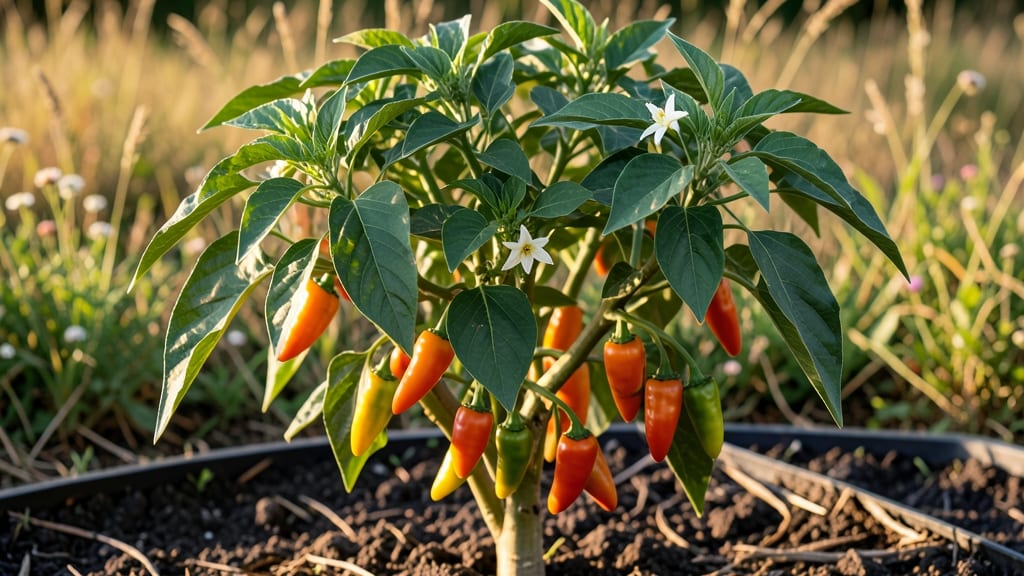
If you're wondering how tall does a habanero plant grow, the answer might surprise you—especially when comparing compact varieties to towering climbers. These fiery peppers can range from just 12 inches to over 5 feet, depending on the type and growing conditions you provide.
Most gardeners grow the classic bush varieties, which typically reach 2 to 3 feet tall, making them perfect for containers or small gardens.
But if you're working with an indeterminate variety, like the Red Savina, you might need to plan for a sturdy trellis or cage to support its vertical growth.
The key to controlling height lies in sunlight, pruning, and even your climate zone. In cooler regions like USDA Zone 6a, habanero plants may stay shorter due to slower growth, while tropical climates can encourage taller, more vigorous plants.
With the right care, you can shape your plant to fit your space—whether that means keeping it compact or letting it climb.
Ready to grow your own? I’ll walk you through the exact height ranges by variety, plus pro tips to manage size and maximize yield. Let’s get your 🌶️ garden thriving!


Habanero pepper height ranges by popular variety (with exact measurements)
Habanero peppers are compact powerhouses, but their mature height varies dramatically between varieties—some stay under 2 feet while others stretch toward 4 feet. Understanding these differences helps you choose the right spot in your garden or container setup.
For example, the 'Red Savina' typically reaches 3-4 feet, while 'Carolina Reaper' often maxes out at 2.5-3.5 feet.
Most habanero plants grow as bushy plants rather than vines, meaning they spread wider than they grow tall. However, some varieties like 'Orange Habanero' can develop slightly woody stems if left unpruned, increasing their height potential. Knowing these specifics ensures you provide adequate sunlight exposure and spreading room.
If you're growing in containers, opt for smaller varieties like 'Chocolate Habanero' (typically 2-3 feet) to save space. Larger varieties may need 5-gallon pots or deeper planters to accommodate their root systems while maintaining stability.
| Variety | Mature Height | Growth Habit | Best For |
|---|---|---|---|
| Red Savina | 3-4 ft | Bushy, upright | In-ground, containers (5+ gal) |
| Carolina Reaper | 2.5-3.5 ft | Compact bush | Containers (3-5 gal), raised beds |
| Orange Habanero | 3-4 ft | Woody stems if unpruned | In-ground, trellis support |
| Chocolate Habanero | 2-3 ft | Dense, compact | Containers (3+ gal), balconies |
| Rocoto Habanero | 2.5-3.5 ft | Bushy, sprawling | In-ground, trellis |
| White Habanero | 3-4 ft | Tall, upright | In-ground, large containers |
For container gardening, always check the variety's mature height before selecting a pot. A 5-gallon container works well for most habanero plants, but deeper pots (up to 7 gallons) benefit taller varieties like 'Red Savina' or 'White Habanero'.
Ensure pots have drainage holes to prevent root rot, which can stunt growth.
If you're growing habanero peppers in raised beds, leave 18-24 inches of space between plants to allow airflow and prevent disease. Crowding can lead to stunted growth or reduced fruit production, as plants compete for nutrients and sunlight.
Some gardeners report that organic fertilizers, like compost or fish emulsion, can encourage slightly taller growth by boosting nutrient uptake. However, focus on balanced fertilization (10-10-10 NPK ratio) to avoid excessive leafy growth at the expense of fruit production.
In cooler climates (USDA Zones 8-10), habanero plants may grow slightly shorter due to reduced heat exposure. If you're in Zone 7 or below, consider growing them in containers that you can move indoors during cold snaps or use row covers to extend the growing season.
Pro tip: If you're growing habanero peppers for competition entries, some breeders select for compact, bushy plants to maximize fruit yield per square foot. Varieties like 'Chocolate Habanero' are popular among growers who prioritize space efficiency without sacrificing heat levels.
Always monitor your plants for pests or diseases, as stress from infestations can cause stunted growth. Common issues like aphids or powdery mildew can weaken stems, leading to leggy growth or reduced height. Regular inspections and neem oil sprays can keep plants healthy and thriving.
Why some habanero plants grow taller than others: key factors explained
If you’ve noticed your habanero plants reaching different heights despite similar care, you’re not alone. The height of your habanero isn’t just about the variety—it’s also influenced by genetics, environmental conditions, and even your growing techniques.
Let’s break down the science behind why some plants grow taller than others and how you can adjust your approach for the perfect size.
First, genetics play the biggest role. Indeterminate varieties like Red Savina or Carolina Reaper are naturally taller because they keep growing until frost, while compact bush types like Dulce or Rojo de Chile stay shorter.
Even within the same variety, some plants may inherit traits from parents that encourage vertical growth.
Your climate zone also impacts height. In warmer regions like Zone 9+, habaneros grow taller and faster due to longer growing seasons. If you’re in a cooler zone, start seeds indoors 6-8 weeks before last frost to give plants a head start.
Container gardening can also help—smaller pots limit root spread, resulting in slightly shorter plants.
Finally, container size matters. A 5-gallon pot is ideal for bush varieties, while indeterminate types need 10+ gallons to support their height. If you’re growing in-ground, space plants 18-24 inches apart to allow airflow and prevent overcrowding, which can stunt growth.
By understanding these factors, you can tailor your care routine to achieve the perfect habanero height—whether you want a compact plant for containers or a towering specimen for your garden. Experiment with sunlight, pruning, and soil amendments to find what works best for your space! 🌿