
Plants
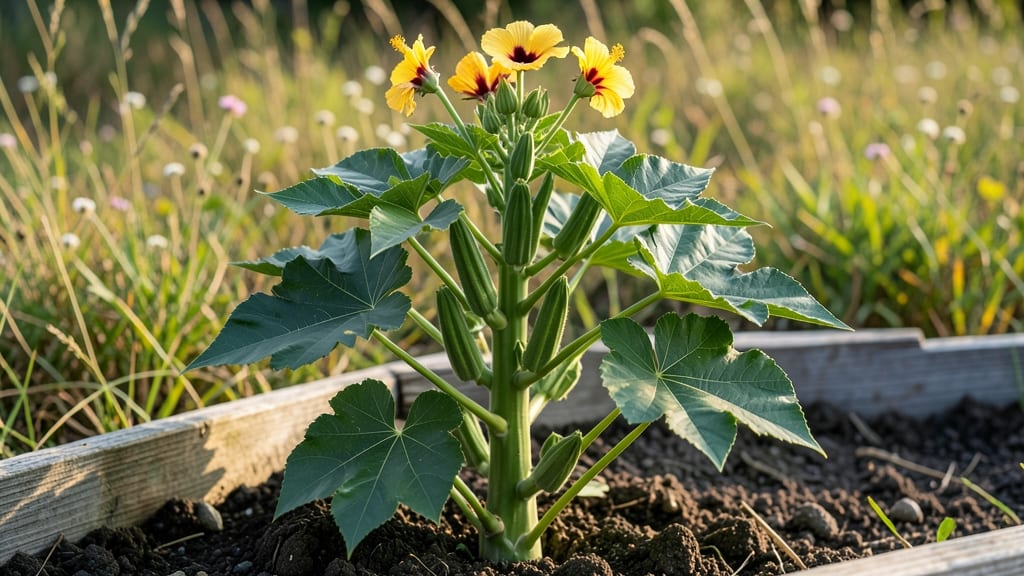
If you're planning your garden this year, knowing how tall an okra plant grows could save you from a space crunch—or a missed harvest.
This fast-growing vegetable 🌱 can shoot up anywhere from 3 feet to towering 10 feet, depending on the variety, and understanding these heights is key to giving your plants room to thrive.
For beginners, this might sound intimidating, but the good news is that even the tallest varieties can be managed with simple strategies.
Whether you're working with a small backyard or a sprawling plot, choosing the right okra type—and knowing how to support it—can make all the difference in your garden layout.
In this guide, I’ll break down the exact height ranges for popular okra varieties, from compact bush types to sky-reaching vining giants. You’ll also discover when to prune, how to use trellises, and why spacing matters more than you might think.
By the end, you’ll have a clear picture of how to plan your garden so your okra doesn’t just grow tall—it grows productive and healthy. Let’s get started!


Okra plant height by variety: exact growth ranges and space requirements
Okra plants can range from compact bush varieties to towering giants that reach 10 feet tall. The height of your okra depends entirely on the variety you choose, with some dwarf types staying under 4 feet while standard varieties stretch toward the sky.
Knowing these differences helps you plan your garden layout and avoid overcrowding or wasted space.
For example, the 'Burgundy' okra stays on the shorter side at 3-5 feet, making it ideal for small gardens or containers. Meanwhile, 'Clemson Spineless' and 'Emerald' varieties can easily reach 6-10 feet, requiring more space and possibly support structures.
Let’s break down the exact height ranges and spacing needs for each type.
| Variety | Height Range | Spacing Needs | Ideal Growing Conditions |
|---|---|---|---|
| Dwarf Varieties (e.g., 'Burgundy') | 2-4 ft | 18-24 inches apart | Full sun, well-drained soil |
| Semi-Dwarf Varieties (e.g., 'Jumbo Green') | 4-6 ft | 24-30 inches apart | Warm climate, consistent moisture |
| Standard Varieties (e.g., 'Clemson Spineless') | 6-10 ft | 30-36 inches apart | Full sun, trellis or cage support |
If you’re growing okra in containers or small spaces, opt for dwarf varieties like 'Burgundy' or 'Lady Finger', which stay under 4 feet and thrive in 5-gallon pots. These varieties are perfect for balconies or patios, as long as they get 6-8 hours of sunlight daily.
For larger gardens, standard varieties like 'Emerald' or 'Arkansas 5' will produce more pods but need ample space. Plant them in rows with 3 feet between plants to prevent overcrowding, which can stunt growth and reduce yields.
A trellis or cage is highly recommended for these taller types to support their weight and improve airflow.
Okra also grows faster in warmer climates, with some varieties reaching their full height in just 50-60 days. In cooler regions, growth may be slower, but the height range remains similar.
Always check the seed packet for specific variety details, as some newer hybrids may have unique growth habits.
Pro tip: If you’re unsure about spacing, start with semi-dwarf varieties like 'Jumbo Green'. They strike a balance between manageable height and high yields, making them a great choice for both beginners and experienced gardeners.
Remember, okra’s height isn’t just about aesthetics—it directly impacts pod production. Taller plants may yield more, but they also need more nutrients, water, and support to thrive. Plan accordingly to avoid common pitfalls like overcrowding or poor airflow, which can lead to disease or stunted growth.
Now that you know the height ranges, let’s talk about how to control okra growth and maximize your harvest in the next section.
Okra plant height by variety: exact growth ranges and space requirements
Okra plants are famous for their rapid growth, but their final height can vary dramatically depending on the variety you choose. If you're planning your garden layout, knowing these differences is crucial.
For example, dwarf varieties like 'Burgundy' stay compact at just 2-4 feet tall, making them perfect for small spaces or containers. Meanwhile, standard types like 'Clemson Spineless' can reach 8-10 feet, requiring more room and support.
Most gardeners focus on three height categories: dwarf (2-4 ft), semi-dwarf (4-6 ft), and standard (6-10 ft). The variety you pick isn’t just about aesthetics—it directly impacts your spacing needs, harvest yield, and even whether you’ll need trellises or cages.
Let’s dive into the specifics so you can pick the perfect fit for your garden.
| Variety | Height Range | Spacing Needs | Best For |
|---|---|---|---|
| Burgundy | 2-4 ft | 18-24 inches apart | Containers, small gardens |
| Emerald | 4-6 ft | 24-30 inches apart | Balconies, raised beds |
| Clemson Spineless | 6-10 ft | 36-48 inches apart | Large gardens, trellises |
| Jinbu | 3-5 ft | 20-24 inches apart | Small plots, urban gardens |
The spacing needs for each variety are just as important as their height. For instance, tall varieties like 'Clemson Spineless' need 3-4 feet of space between plants to avoid overcrowding, which can stunt growth and reduce pod production.
On the other hand, dwarf varieties like 'Burgundy' can thrive in containers or small plots with minimal spacing, making them ideal for urban gardeners or those with limited space.
Another key factor is growth habit. Some okra varieties grow in bushy patterns, while others produce long, vining stems. Bush types like 'Emerald' are easier to manage in tight spaces, whereas vining varieties may need trellises or stakes to support their weight and encourage upward growth.
If you're short on space but want a high yield, consider a semi-dwarf variety like 'Jinbu,' which balances height and productivity.
When planning your garden, also consider your climate and soil conditions. Okra thrives in warm weather and well-draining soil, but poor soil quality or inconsistent watering can cause plants to grow unevenly or too tall as they stretch for sunlight.
To ensure healthy growth, amend your soil with compost and mulch around the base of the plant to retain moisture and nutrients.
Finally, remember that harvest timing can influence how tall your okra grows. If you let pods mature too long, the plant may continue growing taller in an attempt to produce more flowers.
For the best results, harvest pods when they're 2-3 inches long—this encourages bushier growth and a more manageable height. Regular harvesting also prevents overcrowding and ensures a steady supply of fresh okra throughout the season.