
Plants
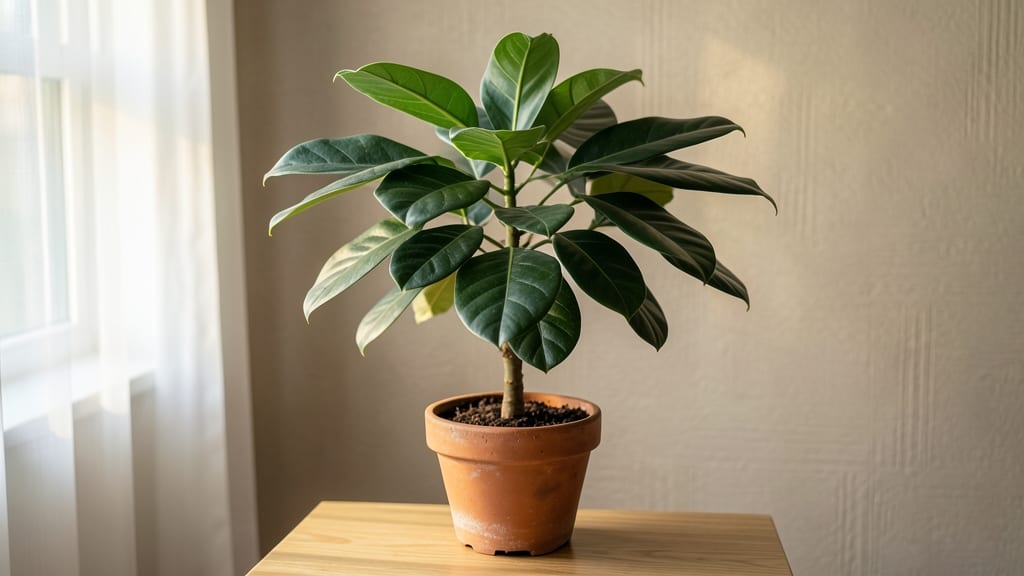
Wondering how tall does an umbrella plant grow before it becomes a ceiling hazard? This striking 🌿 Umbrella Plant can reach heights of 3 to 6 feet indoors—if you let it! But don’t worry, with the right care, you can easily manage its size to fit your space perfectly.
Whether you’re a plant parent in USDA Zone 6a or just starting your spring planting journey, understanding its growth habits is key. This tropical beauty thrives with proper light and soil, but even small adjustments can keep it compact or encourage its natural height.
Let’s break down what influences its size and how to get the perfect fit for your home.
The secret to controlling its height lies in a few simple factors: light exposure, pruning techniques, and even the size of your pot. Too much light? It might stretch taller.
Skip pruning? Watch it grow wild. But with the right approach, you can enjoy its lush foliage without sacrificing ceiling space. Ready to learn the tricks?
From dwarf varieties that stay under 3 feet to standard types reaching 6 feet, we’ll cover everything you need to know. Whether you’re planting in April-May or adjusting an existing plant, these tips will help you achieve the ideal height—no guesswork required.


Natural height range of umbrella plants: how tall they grow indoors
The umbrella plant (Schefflera) is a stunning tropical houseplant that can grow surprisingly tall—typically reaching 3 to 10 feet indoors under ideal conditions. The exact height depends on the variety, care, and growing environment.
My standard Schefflera varieties often hit 5 to 6 feet in my sunroom, while dwarf varieties stay between 3 to 4 feet. If you're wondering whether this plant will outgrow your space, the answer depends on how you manage its growth.
Under perfect conditions—like bright, indirect light and consistent care—your umbrella plant can grow up to 10 feet tall. However, most indoor gardeners keep them between 3 to 6 feet by pruning regularly.
I’ve seen some leggy specimens stretch toward the ceiling in low-light conditions, but with proper care, you can control its height. The key is understanding how your plant’s environment influences its growth rate.
For perspective, a mature umbrella plant (6 feet tall) is roughly the height of a standard kitchen counter (36 inches) plus an additional 2 feet. If ceiling height is a concern, dwarf varieties like 'Amate' Schefflera are perfect for smaller spaces, staying compact at 2 to 3 feet.
Even standard varieties can be kept smaller with regular pruning, which I’ll cover later.
🌿
| Variety | Mature Height Range | Growth Rate (Indoors) | Best For |
|---|---|---|---|
| Standard Schefflera (e.g., 'Schefflera arboricola') | 5–10 feet | 1–2 feet per year | Large spaces, statement plants |
| Dwarf Varieties (e.g., 'Amate') | 2–4 feet | 6–12 inches per year | Small apartments, desks |
| Bushy Varieties (e.g., 'Trinette') | 3–5 feet (wide) | 8–12 inches per year | Corner displays, layered planting |
Your umbrella plant’s height is also influenced by its age. In the first year, expect 1 to 2 feet of growth. By year two, it can double that, reaching 2 to 3 feet.
After three years, growth slows slightly, but with optimal care, it can add another 1 to 2 feet annually. If you’re growing it outdoors in warmer climates (like USDA Zone 10+), expect even faster growth—sometimes up to 3 feet per year.
One common misconception is that all umbrella plants grow tall. In reality, their height is highly manageable with the right techniques. For example, I’ve kept a 6-foot-tall Schefflera in my living room for years by pruning it back annually.
The secret? Regular trimming encourages bushier growth and prevents it from becoming a towering vertical plant.
If you’re concerned about height, consider these three key factors that determine how tall your plant will grow: light exposure, pruning habits, and container size. Bright, indirect light promotes faster growth, while smaller pots naturally limit height.
I’ll dive deeper into these factors in the next section, but for now, remember: your umbrella plant’s height is a choice, not a fixed destiny.
For those with limited space, dwarf varieties are a game-changer. They mature at 2 to 4 feet and are perfect for desks or shelves. Even standard varieties can be kept compact with proper care.
The goal isn’t just to control height—it’s to shape your plant into the perfect fit for your home.
🌳
Factors that control umbrella plant height: light, pruning & more
Your umbrella plant’s height isn’t just a matter of luck—it’s directly influenced by light exposure, pruning habits, and container size. Let’s break down the key factors that determine whether your plant will stay compact or shoot up toward the ceiling.
Understanding these will help you shape its growth to fit your space perfectly.
First, light exposure is the #1 growth regulator. Too little light causes leggy, stretched growth (reaching 6+ feet), while bright indirect light keeps it bushy and proportionate.
Place it within 3-6 feet of an east-facing window for ideal results. Harsh afternoon sun, however, can scorch its leaves, so avoid south-facing spots.
Pruning Power
Next, container size plays a surprising role. Root-bound plants grow taller but slower as they compete for space. If you want a compact 3-foot plant, use a 12-inch pot—but if you’re okay with a 6-foot giant, a 16-inch pot will encourage vertical growth.
Just remember: larger pots need more frequent watering to prevent soil drying out.
Humidity levels also affect height—low humidity (common in winter) causes stunted growth and brown leaf tips. Group your plant with others or use a pebble tray with water to boost moisture. In dry climates, a misting routine can help maintain its natural growth rhythm without sudden height spikes.
Finally, fertilizer timing matters. Over-fertilizing in winter (when growth slows) can lead to sodium buildup, stressing roots and causing unpredictable height surges. Stick to balanced 10-10-10 fertilizer every 4-6 weeks during spring and summer only. This ensures steady, controlled growth rather than erratic spikes.
By mastering these four factors—light, pruning, pot size, and humidity—you’ll have full control over your umbrella plant’s height. Whether you want a 3-foot tabletop centerpiece or a 6-foot statement piece, these adjustments will keep it thriving without surprises. Ready to start shaping your plant’s future?