
How To
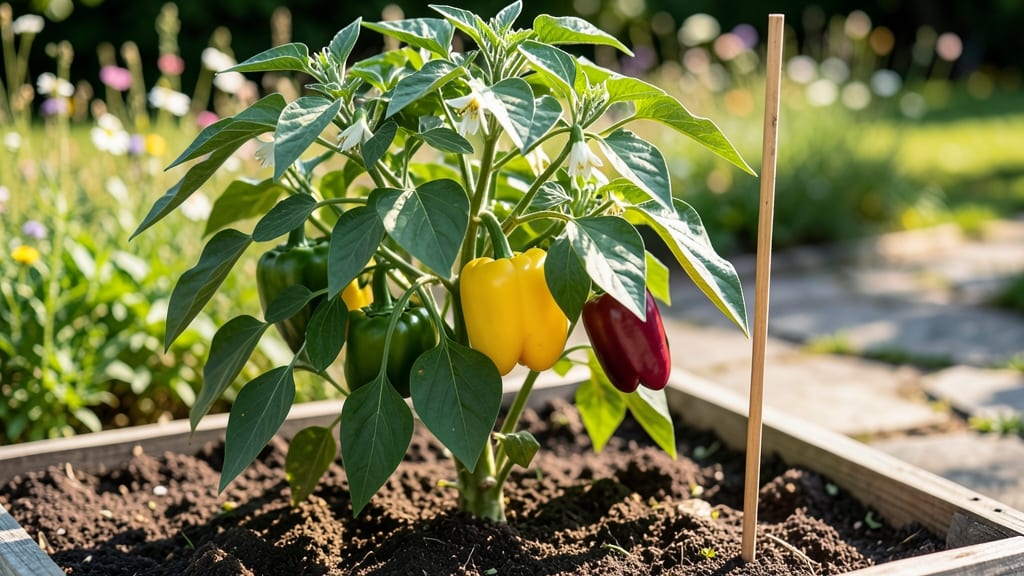
If you’ve ever wondered how tall does bell pepper plant grow and whether your tiny garden can handle them, the answer might surprise you. These 🌶️ powerhouses can range from compact 1-foot dwarfs to towering 4-foot giants—depending on the variety and care you give them.
Whether you’re working with a balcony pot or a backyard plot, understanding their growth habits is the key to maximizing space and harvests.
Not all bell peppers are created equal—some varieties stay neatly contained, while others stretch toward the sky if left unchecked. The right approach can mean the difference between a crowded, unruly plant and a well-managed, productive one.
I’ll show you how to choose the perfect variety for your space and keep them at just the right height.
From dwarf varieties that fit snugly in containers to standard types that need a little extra support, there’s a bell pepper for every gardener. You’ll also discover simple tricks—like pruning and trellising—to control their growth without sacrificing flavor or yield.
Let’s dive into the details so you can grow your best peppers yet.
Whether you’re a beginner or a seasoned gardener, knowing how to manage your bell pepper’s height will save you headaches and boost your harvest. Ready to turn your garden into a pepper paradise? Let’s get started.


Bell pepper plant height by variety: dwarf to giant sizes explained
Bell pepper plants aren’t one-size-fits-all—they range from compact 1-foot dwarfs to towering 4-foot giants. Your space constraints and flavor preferences will determine which variety thrives best. Let’s explore the height spectrum so you can choose the perfect fit for your garden or container setup.
Most bell pepper varieties fall into three height categories: dwarf (1-2 ft), medium (2-3 ft), and tall (3-4 ft). Dwarf varieties are ideal for balconies and small pots, while taller types need raised beds or in-ground plots.
Even within these ranges, growth habits vary—some stay bushy, while others send out vining stems that need support.
Here’s the key: dwarf varieties like ‘Pixie’ or ‘Tiny Tim’ stay under 2 feet, making them perfect for container gardening. Meanwhile, standard varieties like ‘California Wonder’ or ‘King of the North’ can reach 3-4 feet tall and may need caging or trellises to stay upright.
Growth habits matter just as much as height. Bush-type peppers grow in a compact shape, while vining types spread outward and upward. The latter often produce more peppers but require more space or vertical support.
If you’re short on room, opt for determinate varieties—they stop growing once they start fruiting.
| Variety Type | Height Range | Growth Habit | Best For |
|---|---|---|---|
| Dwarf Varieties | 1–2 ft | Bushy, compact | Containers, balconies, small spaces |
| Semi-Dwarf | 2–3 ft | Bushy with slight vining | Raised beds, small gardens |
| Standard Varieties | 3–4 ft | Tall, vining | In-ground plots, large containers |
| Giant Varieties | 4+ ft | Very tall, heavy vining | Large gardens, trellises |
🌱 Pro Tip: Always check seed packets for mature height—it’s the best predictor of space needs.
Sunlight plays a huge role in height. Full sun (6+ hours daily) promotes taller, bushier growth, while partial shade can stunt plants. If you’re growing in containers or small spaces, ensure your pots are at least 12–18 inches deep to accommodate root growth. Shallow pots restrict height and yield.
Pruning can also control height. Pinching back top growth encourages bushier, wider plants instead of tall, leggy stems. For vining varieties, prune side shoots to redirect energy to fruit production. Just avoid over-pruning—you’ll sacrifice pepper production for a shorter plant.
Soil quality impacts height too. Well-draining, nutrient-rich soil helps peppers reach their full potential. Amend your garden beds with compost or aged manure before planting. If you’re growing in containers, use a lightweight potting mix with perlite or vermiculite to prevent compaction.
For small-space gardening, consider bush varieties like ‘Snackable’ or ‘Jupiter’—they stay under 2 feet but produce plenty of peppers. If you love large, sweet bell peppers, you might need to embrace taller varieties and use cages or trellises to save space.
Remember: height isn’t everything. Some dwarf varieties produce fewer peppers, while taller types may need more care. Balance your space constraints with your harvest goals to pick the perfect match for your garden.
How to control bell pepper plant height for small gardens
If you’re working with limited space, controlling your bell pepper plant height is all about strategy. The right techniques can transform a sprawling 4-foot giant into a neat, container-friendly 1-foot dwarf—without sacrificing flavor or yield.
Whether you’re using pots, raised beds, or in-ground plots, these methods will help you manage growth while maximizing your harvest.
Start by choosing the right container size. For dwarf varieties like 'Lunchbox' or 'Pico', a 5-gallon pot is perfect, while standard types need at least 10 gallons to prevent root-bound stress.
Always use pots with drainage holes to avoid soggy soil, which can stunt growth or encourage fungal issues.
🌱
Space-Saving Strategies for Bell Peppers
- 🪴 Prune Regularly: Trim side shoots to encourage upward growth. Focus on removing suckers (shoots in the leaf axils) to direct energy to fruit production.
- ✂️ Trellis or Cage: Use a 3-foot tall tomato cage or bamboo trellis to support taller varieties. This keeps plants upright and saves space.
- 🌿 Mulch Thickly: Apply 2-3 inches of mulch to retain moisture and suppress weeds, reducing stress that can affect height.
- 💧 Water Deeply: Water at the base in the morning to prevent shallow root growth, which can lead to leggy, weak plants.
- ☀️ Optimize Sunlight: Place containers in the sunniest spot (6+ hours of direct light) to prevent elongated, weak stems.
For container gardening, pair your bell peppers with shallow-rooted companions like basil or marigolds. Avoid deep-rooted plants like tomatoes, which can compete for nutrients.
If you notice your plant stretching toward the light, it’s a sign of etiolation—move it closer to a window or supplement with a grow light.
Another trick is to pinch back the top growth when plants reach 18 inches tall. This encourages bushier growth and more peppers. Just be sure to do this before flowering begins, as pruning later can reduce yield.
For taller varieties, like 'Monarch' or 'Chili Queen', stake them early to prevent toppling under the weight of fruit.
If you’re growing in raised beds, space plants 18-24 inches apart to allow airflow and reduce disease risk. In small gardens, consider interplanting with fast-growing crops like lettuce or radishes, which will be harvested before peppers need the space.
Always monitor your plants weekly for signs of stress or pests, as these can also affect height.
With these techniques, you’ll keep your bell peppers at the perfect height for your space—whether that’s a compact 1-foot dwarf or a well-supported 3-foot standard. The key is consistency: prune, trellis, and water wisely, and you’ll enjoy a bountiful harvest without the chaos. Happy growing!
🌶️