
How To
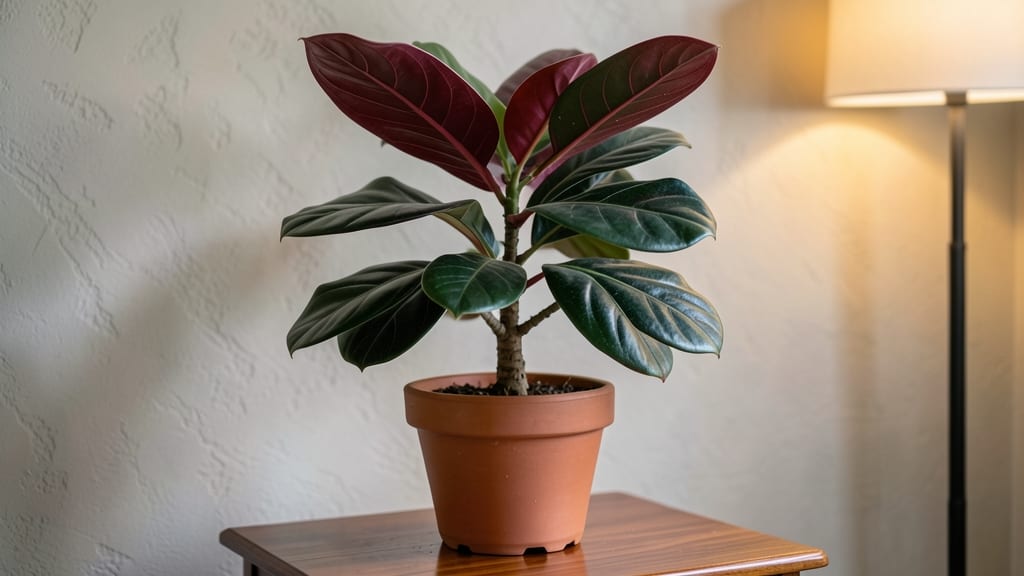
If you’ve ever wondered how tall your rubber plant 🌿 could grow—or whether it’ll soon be knocking on your ceiling fan—you’re not alone. The answer depends on its variety, care routine, and a little patience, because some rubber plants stay compact while others become towering statement pieces in your home.
Rubber plants (Ficus elastica) are known for their striking leaves and adaptability, but their height can vary dramatically. Whether you’re dreaming of a lush, floor-filling plant or prefer a smaller, more manageable size, understanding the factors that influence growth is the key.
From light exposure to pruning techniques, small adjustments can make a big difference in how tall—or short—your plant becomes.
In this guide, we’ll break down the exact height ranges for popular rubber plant varieties, like the Burgundy or Variegata, and share proven tips to control its growth. Whether you want a bushy, compact plant or a tall, elegant specimen, you’ll learn how to shape its future with confidence.
Ready to discover how your rubber plant’s height potential can be managed? Let’s dive into the details so you can give your plant the perfect conditions to thrive—exactly the way you envision it.


Rubber plant height by variety: from compact to towering giants
The rubber plant (Ficus elastica) is one of the most versatile houseplants, with varieties ranging from compact shrubs to towering indoor trees. Your plant’s final height depends entirely on its cultivar and growing conditions.
Some stay under 4 feet while others can reach 10 feet indoors with proper care. Let’s explore the most popular varieties and their mature sizes.
First, it’s important to note that rubber plants grow slowly—typically 6-12 inches per year—but with patience, they can become impressive focal points. The ‘Black Prince’ cultivar, for example, grows taller and faster than its variegated counterparts.
Meanwhile, the ‘Tineke’ variety stays bushier and more compact, rarely exceeding 5 feet without aggressive pruning.
Here’s a quick look at how different rubber plant varieties compare in height:
| Variety | Mature Height (Indoors) | Growth Rate | Key Features |
|---|---|---|---|
| ‘Black Prince’ | 6–10 ft | Fast (12"+/year) | Dark purple-black leaves |
| ‘Burgundy’ | 5–8 ft | Moderate (8–10"/year) | Deep burgundy leaves |
| ‘Variegata’ | 4–6 ft | Slow (6–8"/year) | Creamy white variegation |
| ‘Tineke’ | 3–5 ft | Moderate (8–10"/year) | Pink and green variegation |
| ‘Doescheri’ | 6–10 ft | Fast (10–12"/year) | Dark green with white veins |
The ‘Black Prince’ and ‘Doescheri’ varieties are the fastest growers, often reaching 10 feet indoors with ideal conditions. If you’re aiming for a taller rubber plant, these are your best bets—but be prepared for regular pruning to maintain manageable size.
Meanwhile, the ‘Variegata’ and ‘Tineke’ varieties grow more slowly and stay bushier, making them perfect for smaller spaces.
Outdoors in USDA Zones 10–12, rubber plants can grow even taller—sometimes exceeding 15 feet—since they’re not confined to pots. However, most of us grow them indoors, where height is more controlled by light exposure, pot size, and pruning habits.
For example, a ‘Burgundy’ plant in a 12-inch pot with bright indirect light will grow faster than one in a 6-inch pot with low light.
If you’re curious about how your rubber plant’s height compares
How to control rubber plant height: pruning, training, and care tips
Want to shape your rubber plant’s height? The good news is you have full control—whether you’re aiming for a compact bush or a tall, elegant specimen. With the right techniques, you can guide its growth to match your space and vision.
Start by understanding that rubber plants grow 6-10 inches per year under ideal conditions, but pruning and training can dramatically alter this trajectory.
Pruning is the most effective way to manage height. By cutting back leggy stems, you encourage bushier growth and prevent your plant from becoming top-heavy. Use clean, sharp pruning shears to make cuts just above a leaf node, where new branches will sprout.
This method not only controls height but also promotes a fuller, more attractive shape—perfect for adding greenery to corners or shelves.
For those who prefer a taller, tree-like structure, use a support stake or trellis to guide the main stem upward. Gently tie the stem to the support with soft plant ties, adjusting as it grows.
This technique mimics the plant’s natural growth habits in the wild, where it can reach impressive heights. Pair this with regular rotations to ensure even light exposure, preventing lopsided growth.
Step-by-Step Guide to Pruning and Training
- Step 1: Identify leggy stems or overgrown branches. Look for stems that are longer than 12 inches without leaves.
- Step 2: Use sterilized pruning shears to cut 1 inch above a leaf node. This encourages new growth from the node.
- Step 3: For bushier growth, prune the top 2-3 inches of the main stem to stimulate branching.
- Step 4: If training for height, insert a bamboo stake or trellis beside the plant and tie the stem gently with plant ties.
- Step 5: Rotate the plant quarter-turns every 2 weeks to ensure even light exposure and balanced growth.
Light exposure plays a crucial role in height control. Rubber plants thrive in bright, indirect light, which promotes steady, healthy growth. However, insufficient light can lead to stretched, leggy stems as the plant reaches for sunlight.
Place your plant near an east or north-facing window for optimal conditions. If natural light is limited, supplement with a grow light for 4-6 hours daily to maintain a compact, sturdy structure.
Repotting your rubber plant every 2-3 years also impacts its height. When roots become root-bound, the plant focuses energy on growing taller rather than wider. Choose a pot that’s only 1-2 inches larger in diameter than the current one to encourage bushier growth.
Well-draining soil with a mix of peat, perlite, and compost ensures your plant has the nutrients it needs without becoming pot-bound.
Finally, fertilizing during the growing season (spring and summer) with a balanced 10-10-10 fertilizer promotes healthy growth. Apply fertilizer every 4-6 weeks to support strong stems and vibrant leaves. Avoid over-fertilizing, as this can lead to salt buildup in the soil, which stunts growth and weakens the plant.