
Watering
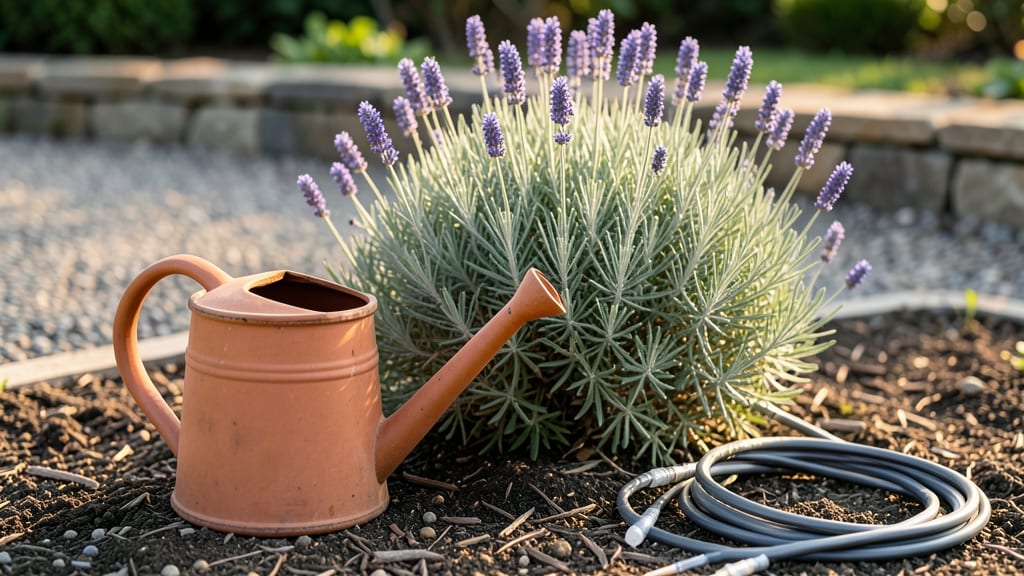
Figuring out how much water lavender plants need can feel like walking a tightrope—too little and they wilt, too much and they rot. But here’s the secret: lavender 🌿 actually thrives on neglect, and most gardeners overdo it by accident.
If you’ve ever watched your lavender droop after a heavy watering or struggle to bounce back, you’re not alone. The key isn’t a strict schedule but understanding when the soil is truly dry.
I’ll show you how to check moisture levels, adjust for your climate, and keep your lavender lush without drowning it.
From seedlings to mature plants, watering needs change dramatically. You’ll learn the exact signs of overwatering (yellow leaves, mushy stems) and how to fix them fast. Plus, I’ll share my team’s foolproof method for container vs. in-ground lavender—because drainage makes all the difference.
Ready to stop guessing and start growing fragrant, resilient lavender? Let’s dive into the simple watering rules that’ll save your plants—and your patience.

Lavender watering needs by growth stage: seedlings vs mature plants
Lavender plants thrive on consistent but careful watering, especially since they’re famously drought-tolerant. However, their water needs change dramatically from seedlings to mature plants. Overwatering is the #1 killer of lavender—it causes root rot and weakens the plant’s natural resilience.
Let’s break down exactly how much water lavender needs at each stage, so you can keep your plant healthy and fragrant.
When lavender is just a seedling or young plant, its roots are delicate and shallow. This means it needs more frequent watering to establish a strong root system.
Think of it like teaching a toddler to walk—you need to hold its hand (or water it often) until it gains confidence (roots deepen). For seedlings, aim for watering every 3-5 days, ensuring the soil stays moist but not soggy.
Use a spray bottle or gentle watering can to avoid disturbing the tiny roots.
Here’s where many gardeners go wrong: they assume once lavender is mature (1-2 years old), it can fend for itself. While it’s true mature lavender is drought-resistant, it still needs deep watering every 10-14 days during the growing season.
The key is to water deeply but infrequently, encouraging roots to grow downward where they can access moisture naturally. Think of it like giving your plant a long drink of water instead of sipping all day.
🌱 Pro Tip: Always water lavender in the morning (before 10 AM). This allows excess moisture to evaporate during the day, reducing the risk of fungal diseases like powdery mildew. Nighttime watering is a big no-no—it keeps the foliage damp overnight, inviting pests and disease.
Now, let’s talk about the biggest mistake gardeners make: ignoring the soil type. Lavender hates wet feet, so if you’re planting in clay soil or a container without drainage holes, you’re setting your lavender up for failure.
Always plant in well-draining soil or amend heavy soil with sand or gravel. A quick test? Stick your finger 2 inches into the soil—if it’s still damp, wait before watering again.
💧 Visual Guide: Imagine your lavender’s watering needs as a glass of water. Seedlings are like a shot glass—small and frequent, while mature plants are like a mason jar—deep and infrequent.
Overwatering at any stage is like drowning your plant, while underwatering young lavender stunts its growth. Balance is everything!
| Growth Stage | Watering Frequency | Amount per Watering | Soil Moisture Goal | Signs of Overwatering |
|---|---|---|---|---|
| Seedlings (0-6 months) | Every 3-5 days | Light misting (1/4 cup) | Moist (not soggy) | Yellowing leaves, mushy stems |
| Young Plants (6-12 months) | Every 5-7 days | 1/2 cup (deep soak) | Lightly moist at surface | Wilting despite wet soil |
| Mature Plants (1+ years) | Every 10-14 days | 1-2 cups (deep watering) | Dry topsoil (2 inches down) | Brown, crispy leaves |
Underwatering mature lavender is less risky than overwatering, but it can still cause stress and stunted growth. Look for dry, brittle stems or drooping foliage as signs your plant needs a drink.
A quick fix? Give it a deep watering and mulch around the base to retain moisture. Just avoid mulching too close to the stem—lavender hates humidity trapped against its woody stems.
🌿 Seasonal Adjustments: Lavender’s water needs also shift with the seasons. In spring and fall, when temperatures are mild, stick to the 10-14 day schedule. But in summer heat, you might extend the gap to every 3-4 weeks—lavender goes dormant to conserve water.
In winter, reduce watering to once a month unless you’re in a frost-free zone.
One of my favorite tricks for container-grown lavender is using terracotta pots. They dry out faster than plastic, which mimics lavender’s natural Mediterranean climate. Plus, terracotta’s porous nature helps prevent root rot.
If you’re growing lavender in pots, check the soil moisture daily in summer—containers dry out much quicker than in-ground plants.
🪴 Final Thought: Lavender’s watering needs are all about balance and observation. Pay attention to your plant’s leaves, stems, and soil, and adjust as needed. With the right approach, your lavender will reward you with vibrant blooms and that signature
Lavender watering needs by growth stage: seedlings vs mature plants
Lavender plants 🌿 are famously drought-tolerant, but their watering needs shift dramatically as they grow. Seedlings demand consistent moisture, while mature plants can handle weeks between waterings. The biggest mistake? Treating all lavender the same—this leads to either soggy roots or crispy stems.
For new seedlings, aim for damp (not soggy) soil at all times. Think of a sponge—keep it moist but never dripping. Overwatering here causes root rot, while underwatering stunts growth. I’ve seen seedlings recover from drought, but never from rot—so play it safe.
Young lavender (6-12 months old) need less frequent watering but still require deep soaks. Let the top 1-2 inches of soil dry out between waterings. This teaches roots to seek moisture deeper, making them resilient. Containers dry faster than in-ground plants, so check daily in pots.
Mature lavender (1+ years old) is the easiest stage—water deeply but infrequently. Stick your finger 2-3 inches into the soil; if it feels dry, water until it runs out the drainage holes. This mimics their Mediterranean roots, which evolved to store moisture during dry spells.
Watch for yellowing leaves or wilting stems—these are red flags. Yellowing often means overwatering, while wilting in dry soil signals underwatering. I’ve revived lavender from both, but prevention is easier: mulch with gravel (not organic matter) to wick away excess moisture.
Pro tip: Morning watering is best—it reduces evaporation and fungal risks. Avoid evening water, which can leave leaves damp overnight. My team’s lavender thrives with one deep watering per week in summer, even in 90°F+ heat—proof that lavender’s drought tolerance is real.