
How To
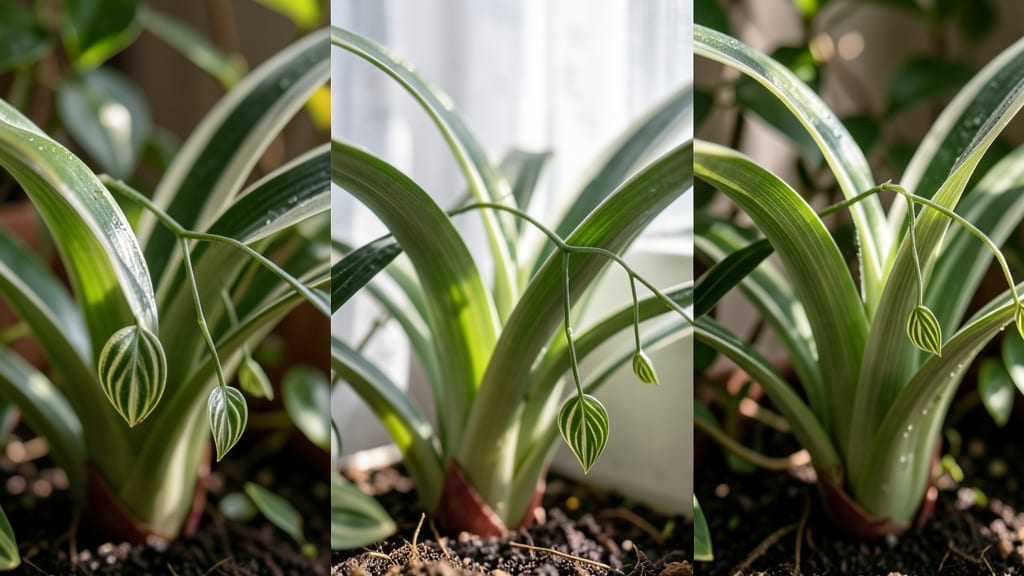
Spider plant light requirements: the perfect balance for growth
Your spider plant thrives in bright indirect light, making it perfect for indoor gardens near windows. Too much direct sun causes leaf burn, while too little leads to leggy growth.
The ideal light intensity is between 1,000–2,500 foot-candles, similar to a well-lit office space. Understanding these light levels will help you avoid common mistakes that stunt growth.
Spider plants naturally grow under dappled forest light, so they adapt well to east-facing windows or north-facing windows in most climates. A south-facing window can work if you place the plant 3–5 feet away to filter harsh afternoon rays.
If your home lacks natural light, grow lights with a 12-hour cycle can supplement effectively.
| Light Condition | Foot-Candles | Best For | Signs of Stress |
|---|---|---|---|
| Bright Indirect | 1,000–2,500 | Healthy growth, vibrant leaves | None (ideal conditions) |
| Low Light | <500 | Survival only | Leggy stems, pale leaves |
| Direct Sun | >3,000 | Leaf burn risk | Brown tips, crispy edges |
To test your spider plant’s light exposure, observe its leaf color and growth pattern. Healthy leaves should be green with white stripes (for variegated varieties).
If the stripes fade, it’s underlit. Conversely, yellow-brown patches on leaf edges signal sunburn. Rotate your plant quarter-turn weekly to ensure even light exposure.
For outdoor spider plants, spring and summer require partial shade—think morning sun + afternoon shade. In USDA Zone 6, they can handle brief afternoon sun if soil stays moist. Always acclimate gradually when moving plants between indoor and outdoor spaces to avoid light shock.
If your home has limited natural light, place your spider plant near a west-facing window (early evening light is gentler). For deep indoor spaces, use a LED grow light with a cool white spectrum for 6–8 hours daily.
Avoid incandescent bulbs, which emit too much heat and can scorch leaves.
Pro tip: Use a light meter app (like Light Meter Pro) to measure foot-candles near your plant. Aim for 1,500–2,000 foot-candles for optimal chlorophyll production. Most smartphones can estimate light levels with free apps, making adjustments simple and data-driven.
Remember, spider plants are forgiving—they’ll survive in low light, but they thrive in bright indirect light. The key is consistency. Avoid sudden light changes, like moving from a dark corner to a sunny windowsill overnight. Gradual adjustments help prevent leaf scorch or growth stunting.
For variegated spider plants (like 'Variegatum'), light needs are slightly higher—they require more light to maintain stripe contrast. Solid-green varieties are more tolerant of lower light conditions. Always match your plant’s cultivar specifics to its light environment for best results.
🌱
How to adjust light for different spider plant growth stages
Spider plants don’t have one-size-fits-all light needs—their requirements change as they grow and mature. Juvenile plants need gentler light to avoid stress, while mature specimens can handle slightly brighter conditions.
Even the variegation (stripes vs. solid leaves) affects how much light they crave. Let’s break down how to fine-tune lighting for every stage of your plant’s life.
For newly propagated spider plant babies, start them in low to moderate indirect light (think 500–1,000 foot-candles). These tiny plants are delicate, and too much brightness can scorch their tender leaves.
Place them near a north-facing window or under a grow light on low setting if natural light is limited. Over time, you’ll gradually increase exposure as they strengthen.
As your spider plant matures—typically after 12–18 months—it’ll crave bright indirect light (aim for 1,000–2,500 foot-candles). This is when you’ll notice those iconic arching leaves and spiderettes forming. If your plant starts looking leggy or sparse, it’s begging for more light.
Move it closer to an east or west-facing window, or supplement with a fluorescent grow bulb for 12–14 hours a day.
Variegated spider plants (like the popular ‘Variegatum’ with white stripes) need even more careful light management. Their white leaf tissue lacks chlorophyll, so they’re less efficient at photosynthesis. Place these beauties in bright but filtered light—direct sun will bleach out their stripes and cause brown tips. A sheer curtain between your plant and a south-facing window works wonders.
Seasonal shifts also demand adjustments. In summer, when sunlight is intense, reduce direct exposure by moving your spider plant a few feet back from the window. In winter, when days grow shorter, supplement with a grow light to maintain those critical 4–6 hours of indirect light per day.
Even artificial light (like a simple LED bulb) can prevent the dreaded winter slowdown that leads to weak growth.
Pro tip: Rotate your plant every 2–3 weeks so all sides get even light exposure. This prevents lopsided growth and ensures those arching leaves stay symmetrical.
Watch for yellowing leaves on one side—a classic sign your plant is leaning toward the light source. A quick spin keeps it balanced and thriving.
If you’re growing spider plants outdoors (like in a shaded patio or balcony), monitor their response closely. Morning sun is generally safer than afternoon rays, which can be too harsh.
And if you bring an outdoor plant inside for winter, ease it into lower light over a week to avoid shocking its system.
Remember: Spider plants are survivors, but they’ll reward you with vibrant growth and prolific spiderettes when you tailor light to their stage. Start with the basics, observe their cues, and adjust as they grow—your plant will thank you with lush, happy foliage for years to come. 🌱