
Companion Plants
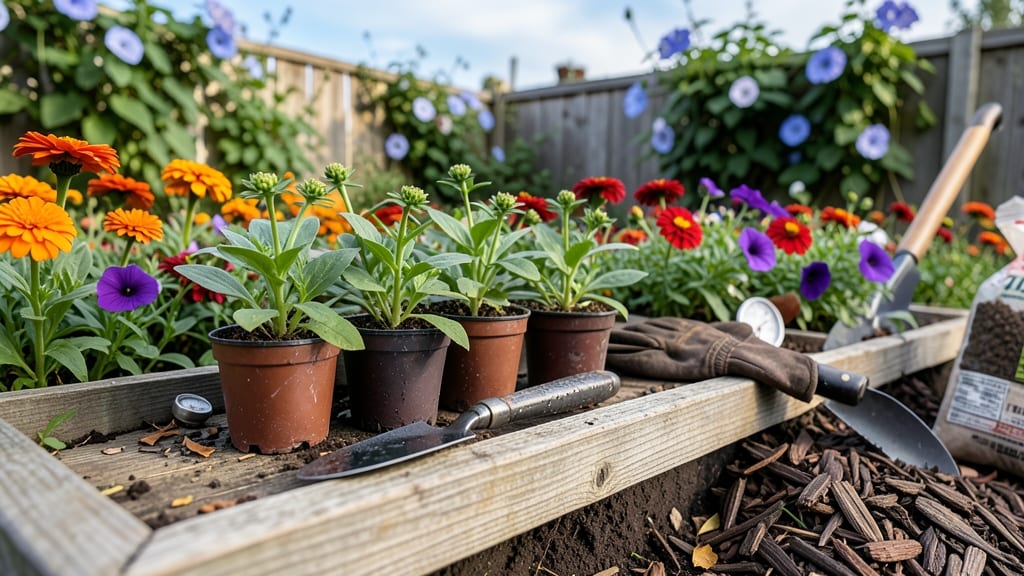
Timing your annuals just right in Zone 6 can turn a so-so garden into a lush, productive paradise—or leave you scrambling to save frost-sensitive plants. The difference often comes down to knowing exactly when to plant, whether you're sowing cool-loving lettuce or heat-hungry tomatoes.
I’ve learned the hard way that planting too early risks frost damage, while waiting too long can stunt growth before summer’s peak.
Zone 6 offers a narrow window—typically 4-6 weeks before your last frost for cool-season crops and 2-3 weeks after for warm-season varieties—but local microclimates can shift those dates by weeks.
In this guide, I’ll break down the exact weeks to plant based on your region’s frost averages, plus pro tips to extend your season without risking frost damage. Whether you’re a first-time gardener or a seasoned green thumb, these insights will help you maximize your harvest.
Ready to stop guessing and start growing with confidence? Let’s dive into the perfect planting schedule for your Zone 6 garden.
Zone 6 last frost dates: exact weeks before planting annuals for peak growth
In Zone 6, timing your annual plantings around the last frost date is critical—especially since even a light frost can kill tender seedlings. The average last frost date in Zone 6 typically falls between April 15 and May 15, but this varies by microclimate and elevation.
Northern areas (like Zone 6a) often see frost later than Southern exposures (like Zone 6b).
For cool-season annuals (e.g., lettuce, spinach, peas), you’ll want to plant 4–6 weeks before your last frost date—this gives them time to establish roots before summer heat arrives.
Meanwhile, warm-season crops (tomatoes, peppers, basil) need to wait until 2–3 weeks after the last frost when soil temperatures hit 60°F+.
To pinpoint your exact planting window, check your local USDA Plant Hardiness Zone map and adjust for elevation or urban heat islands, which can shift frost dates by 1–2 weeks. For example, a valley location may frost later than a hilltop due to cold air settling.
Here’s a quick rule of thumb: Start indoor seedlings 6–8 weeks before your last frost for transplants, while direct-sowing outdoors should begin 2–4 weeks before for frost-tolerant varieties. Miss this window, and you risk stunted growth or bolting (premature flowering).
Zone 6 Planting Timeline by Frost Date
| Region Type | Last Frost Date | Cool-Season Planting Window | Warm-Season Planting Window |
|---|---|---|---|
| Northern Zone 6a | May 1–15 | March 15–April 1 | May 15–June 1 |
| Southern Zone 6b | April 15–30 | February 28–March 15 | April 30–May 15 |
| High Elevation (>2,000 ft) | May 15–31 | March 1–April 15 | June 1–15 |
*Adjust for microclimates: Valleys frost later; slopes frost earlier.
If you’re unsure about your local frost date, use the National Weather Service or a frost calculator like the one from the Old Farmer’s Almanac. These tools factor in historical data to give you a 90% accuracy estimate.
For example, in Chicago (Zone 6a), the last frost is often around May 10, while in Atlanta (Zone 6b), it’s closer to April 20.
Pro tip: Monitor soil temperature with a probe—most annuals thrive when soil is at least 50°F for cool-season crops and 60°F+ for warm-season. Cold soil slows germination and weakens seedlings. If your soil is still chilly, consider using black plastic mulch to warm it up faster.
For succession planting (like lettuce or radishes), sow seeds every 2 weeks after your initial planting date to ensure a continuous harvest. This works especially well for fast-growing annuals that mature in 30–45 days. Skip this, and you’ll end up with a glut of harvests all at once.
Finally, keep an eye on your local weather forecast in the weeks leading up to planting. A late frost warning can delay your outdoor plantings by 1–2 weeks, so always have a backup plan—like row covers or a greenhouse—ready to protect tender plants.
By mastering these Zone 6 frost dates and adjusting for your specific location, you’ll give your annuals the best possible start. Next, we’ll dive into the best annuals for Zone 6 and their ideal planting schedules—stay tuned!
Best annuals for Zone 6: planting schedules by temperature tolerance
Not all annuals thrive in Zone 6’s spring and fall swings. Cool-season crops like lettuce and spinach love the 50–60°F soil of early spring, while tomatoes and peppers need 60+°F soil to avoid stunted growth.
Knowing these temperature triggers lets you plant at the perfect moment—before heat or frost strikes.
For cool-season annuals, aim to plant 4–6 weeks before your last frost date (typically mid-April in Zone 6).
These hardy varieties tolerate light frosts and even 32°F nights once established. Warm-season annuals, however, need to wait until 2–3 weeks after the last frost (usually late May) when soil temps hit 60°F+ consistently.
Here’s a quick guide to match your annuals with Zone 6’s planting windows—because timing is everything for a bountiful harvest.
| Annual Type | Best Planting Window | Soil Temp Requirement | Frost Tolerance |
|---|---|---|---|
| Cool-Season (Spring/Fall) | 4–6 weeks before last frost | 45–60°F | Light frost (32°F) |
| Warm-Season (Summer) | 2–3 weeks after last frost | 60–70°F+ | None (frost kills) |
| Heat-Tolerant (Late Summer) | June–July (after soil warms) | 70°F+ | None (drought-sensitive) |
Pro tip: Direct sowing vs. transplanting changes the game. Lettuce and carrots grow best from seeds sown 2–3 weeks before your target window, while tomatoes and peppers thrive when transplanted after soil warms.
Check seed packets for days to germination—this tells you exactly when to start indoors for an early edge.
Zone 6’s microclimates (like sunny slopes vs. shady valleys) can shift planting windows by 1–2 weeks. For example, south-facing beds warm faster, letting you plant warm-season crops 10–14 days earlier than north-facing spots.
Use a soil thermometer to confirm temps before committing—55°F soil might feel warm, but 60°F+ is the sweet spot for tomatoes.
Don’t overlook succession planting! In Zone 6, you can squeeze in 2–3 harvests of lettuce by sowing every 2 weeks from April to September. Similarly, bush beans thrive in both spring and fall if planted 6–8 weeks before the first frost.
Plan your planting calendar like a chef’s menu—each crop gets its moment in the sun.
🌱