
Companion Plants
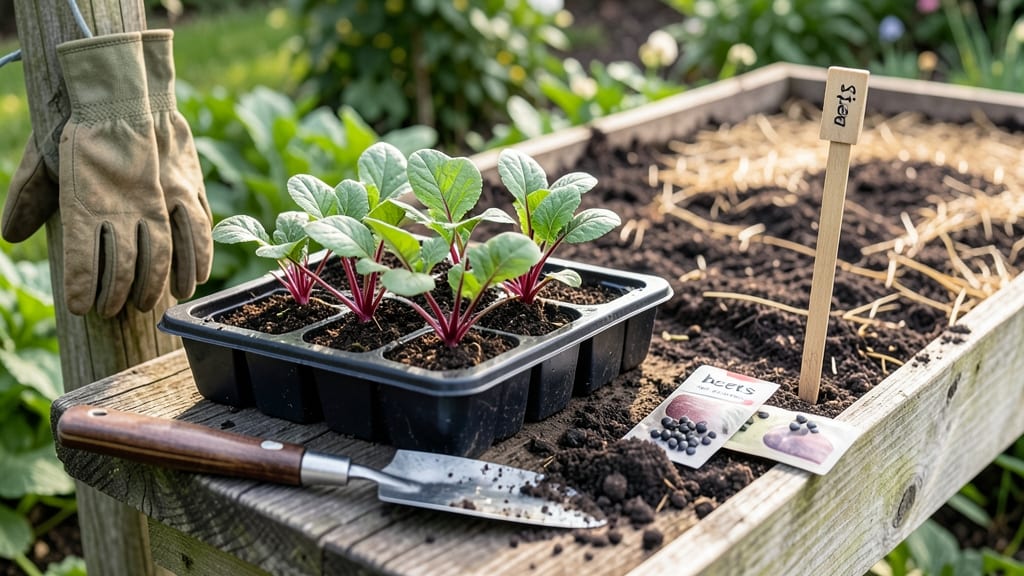
Knowing when to plant beets in Zone 7 is the secret to harvesting those sweet, earthy roots you crave—without ending up with bitter greens or stunted growth. The right timing can make all the difference, especially when Zone 7’s unpredictable spring and summer weather throws curveballs.
Beets are cool-season crops that thrive in Zone 7’s early spring and late summer, but planting too early or too late can lead to disappointment. Whether you’re sowing seeds in March or August, understanding frost dates and soil temperatures is key to success.
Let’s break down the exact windows and pro tips to ensure your 🍠 harvests are crisp, tender, and bountiful.
Many gardeners assume beets can be planted anytime, but the truth is, they’re sensitive to heat and frost. In Zone 7, planting 4-6 weeks before your last frost date (around mid-March) gives them the ideal start, while late-summer sowings in August extend your harvest into fall.
We’ll cover how to time it perfectly—and avoid common pitfalls.
Ready to grow beets that rival the ones at the farmers’ market? I’ll walk you through direct sowing vs. transplanting, soil prep, and even how to handle succession planting for a continuous supply. Let’s get those seeds in the ground at the perfect moment!
Zone 7 beet planting calendar: exact weeks before last frost for success
In Zone 7, beets thrive when planted at the right temperature thresholds—too early and cold soil delays germination, too late and heat causes bolting. For most of Zone 7, the last frost date averages March 15, but microclimates can shift this by 1-2 weeks.
My rule? Start seeds 4-6 weeks before last frost for early spring harvests or 8-10 weeks before first frost for fall crops.
Beets are cool-season crops, so they hate summer heat. In Zone 7, I plant two main batches: early spring (March–April) and late summer (July–August). The key is soil temperature—seeds need 45–55°F soil temps to germinate. Use a soil thermometer to check before planting.
Direct sowing is best for beets—they hate transplant shock. Scatter seeds ½ inch deep and 1-2 inches apart in rows 12 inches apart. Thin seedlings to 3-4 inches apart when they’re 2-3 inches tall. This spacing prevents overcrowding and ensures large, tender roots.
Here’s my Zone 7 beet planting timeline based on average frost dates, but always adjust for your local conditions:
| Planting Window | Action | Soil Temp | Notes |
|---|---|---|---|
| Early Spring | Direct sow seeds | 45–55°F | 4–6 weeks before last frost (March) |
| Spring Harvest | Thin seedlings | 50–60°F | When 2–3 inches tall (April–May) |
| Late Summer | Direct sow seeds | 55–65°F | 8–10 weeks before first frost (July–August) |
| Fall Harvest | Harvest before frost | 40–50°F | September–October (before hard frost) |
For succession planting, sow new seeds every 2 weeks in spring and 3 weeks in fall. This ensures a continuous harvest from May through October. In Zone 7, I’ve found that late July plantings often produce the sweetest fall beets because they mature before heat stress sets in.
If you’re using transplants (not ideal but possible), start seeds indoors 4–6 weeks before last frost and harden them off for 1 week before transplanting. However, beets develop better roots when direct-sown, so I recommend sticking to seeds for best results.
Pro tip: Use black plastic mulch in early spring to warm the soil faster and extend your planting window by 1–2 weeks. This is especially helpful if your Zone 7 area has late frosts or cold soils. Just remove the mulch once soil temps hit 55°F to prevent overheating.
Always monitor your local frost dates—they can vary by 10–14 days within Zone 7. Check resources like the National Weather Service or local cooperative extension offices for precise data. With the right timing, you’ll enjoy crisp, sweet beets all season long!
How to adjust beet planting for Zone 7’s heat waves and bolting risks
Zone 7’s late-spring heat can turn your beet dreams into bitter disappointment if you’re not prepared. Beets bolt (send up flower stalks) when temperatures climb above 75°F, leaving you with tough, woody roots instead of sweet harvests.
The key? Adjust your planting strategy to avoid these heat spikes while extending your harvest window.
Succession planting is your best friend here. Instead of one big spring planting, sow seeds every 2 weeks from March through May. This staggered approach ensures a steady supply of young beets that mature before the heat peaks.
For example, plant your first batch in early March, then follow up with seeds every two weeks until early May.
🚨 WARNING: Avoid planting beets from June through August unless you’re using shade cloth. The combination of long daylight hours and high temperatures creates perfect bolting conditions. Even heat-tolerant varieties like ‘Detroit Dark Red’ will struggle without protection.
🔥 Heat Wave Survival Tips
- Use shade cloth (30-50%) during June-August plantings
- Water deeply in the early morning to cool soil
- Avoid nitrogen-heavy fertilizers that encourage leafy growth
- Harvest young (1-2" roots) before heat stress sets in
Heat stress causes beets to develop wooden cores and bitter flavors. These adjustments keep your crop tender and sweet.
For a late-season harvest, focus on August plantings instead of spring. Beets sown in August will mature by October-November, just before Zone 7’s first frost. Choose fast-maturing varieties like ‘Babybeat’ (45 days) or ‘Early Wonder Tall Top’ (50 days) for these late plantings.
Another trick? Plant beets in partial shade during their most vulnerable growth stages. A dappled shade from nearby trees or a 50% shade cloth can lower soil temperatures by 10-15°F, dramatically reducing bolting risks. Just ensure they still get 4-6 hours of direct sun daily for proper root development.
Remember: Beet greens tolerate heat better than roots. If your roots bolt, harvest the greens first—they’re still edible and packed with nutrients. This two-for-one approach gives you a second chance at harvest even when conditions aren’t perfect.