
Plants
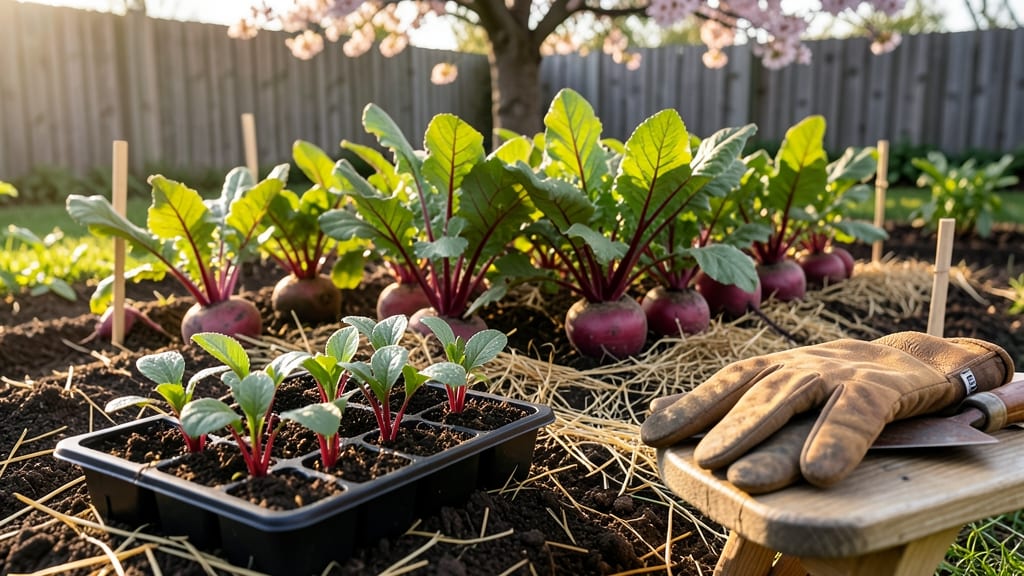
When to plant beets in the fall can mean the difference between sweet, tender roots and bitter, woody failures. Too early, and your 🍠 beets might bolt before winter; too late, and frost will ruin your harvest before they even mature.
In USDA Zone 6a, where I garden, the magic window opens 4-6 weeks before the first frost—typically mid-August to early September. This timing gives your beets enough time to grow before winter sets in, while cooler temperatures actually enhance their flavor.
Planting at the right moment isn’t just about dates—it’s about soil temperature, variety selection, and understanding how your local climate behaves. Let me walk you through the exact steps to nail this window, from calculating frost dates to choosing cold-hardy varieties that thrive in fall’s crisp air.
Why bother with fall beets? Because they’re easier to grow than spring crops, often free from pests, and develop sweeter roots in cooler weather. With the right approach, you could be harvesting your own homegrown beets well into November—and that’s a win for any gardener.
Optimal fall planting timeline: 6-8 weeks before first frost
Timing is everything when planting beets in the fall. Aim for 6-8 weeks before your first frost date to ensure tender roots before winter sets in. For example, in USDA Zone 6a, this means planting between mid-August and early September—but your exact window depends on your local climate.
Use the Old Farmer's Almanac or your local cooperative extension service to find your first frost date. Subtract 6-8 weeks to calculate your planting window. Coastal areas may have 2-3 weeks later planting dates than inland regions due to milder temperatures.
Soil temperature is just as critical as air temperature. Beets thrive when soil stays above 50°F (10°C). Test your soil with a soil thermometer before planting. If temperatures drop below this, your beets may struggle to germinate or grow properly.
Here’s a quick guide to help you pinpoint your ideal planting window based on your USDA zone:
| USDA Zone | Ideal Planting Window | Soil Temp Requirement | Notes |
|---|---|---|---|
| 3-4 | Late July to early August | 50-60°F (10-15°C) | Early frost risk; use row covers |
| 5-6 | Mid-August to early September | 50-60°F (10-15°C) | Classic fall planting zone |
| 7-8 | Late August to mid-September | 55-65°F (13-18°C) | Warmer soil; extend harvest |
| 9-10 | September to early October | 60-70°F (15-21°C) | Longer growing season; plant later |
For cooler coastal climates, like the Pacific Northwest, you can push planting to mid-September because milder ocean breezes delay frost. In contrast, inland desert areas (e.g., Arizona) may need to plant as early as late July to avoid premature bolting from heat stress.
If you’re unsure about your frost date, err on the side of earlier planting. Beets planted too late in the fall often develop woody, tough roots due to cold stress. Aim to harvest before temperatures drop below 25°F (-4°C).
Pro tip: Plant a test row 2 weeks early to gauge growth speed. If the test row thrives, you can safely plant the rest of your garden. If it struggles, wait another week before committing.
Remember, succession planting in late summer can also give you a double harvest—one in early fall and another in late fall. Just space your plantings 3-4 weeks apart for continuous yields.
With the right timing, your fall beets will reward you with sweeter, more tender roots than spring plantings. The key is balancing heat, frost, and soil conditions—and this table gives you the exact window to succeed.
Optimal fall planting timeline: 6-8 weeks before first frost
Timing is everything when planting fall beets. Aim for 6-8 weeks before your first frost date to ensure tender roots before winter sets in.
This window—typically late August to mid-September in most U.S. zones—gives beets enough time to mature while avoiding the bolting that comes with early planting or the frost damage from late starts.
For example, in USDA Zone 6a, where frost hits around November 15, your last planting should be by September 20.
Check your local frost dates using the Old Farmer’s Almanac or university extension resources. Coastal areas often have 2-3 weeks later frost dates than inland regions, so adjust accordingly.
For instance, San Francisco (Zone 10) can plant beets until October 15, while Chicago (Zone 5) must finish by September 1. Soil temperature also matters—ideal germination occurs at 50-85°F, so avoid planting when nights drop below 50°F.
| USDA Zone | Last Planting Date | Soil Temp for Germination | Days to Harvest |
|---|---|---|---|
| 3-4 | Mid-August | 50-60°F | 50-60 days |
| 5-6 | Late August - Early Sept | 60-70°F | 55-65 days |
| 7-8 | Mid-Sept | 65-75°F | 60-70 days |
| 9-10 | Late Sept - Oct | 70-80°F | 65-75 days |
🌱 Pro Tip: Use row covers to extend your planting window by 2-3 weeks in cooler zones.
For succession planting, sow seeds every 2-3 weeks until 4-6 weeks before frost. This ensures a steady harvest and reduces the risk of overcrowding. Choose cold-hardy varieties like Detroit Dark Red or Golden for fall gardens—they tolerate light frosts (down to 25°F) better than others.
Always plant seeds ½ inch deep and 1 inch apart, thinning to 3-4 inches when seedlings emerge.
Test your soil pH (ideal range: 6.0-7.0) before planting. Amend with compost or well-rotted manure to improve fertility. Avoid fresh manure, which can cause nitrate buildup and make beets bitter.
Water deeply after planting to settle soil around seeds, and keep the area consistently moist (not soggy) until germination, which typically takes 7-14 days.
Watch for leafy growth instead of roots—a sign of bolting or thinning. If this happens, harvest the greens (edible!) and thin remaining plants to 3 inches apart. Mulch with straw or leaves to retain moisture and suppress weeds.
As frost nears, focus on harvesting smaller roots (1-2 inches) first, as they’re more tender and less likely to suffer from freeze damage.
Fall-planted beets often develop sweeter flavors due to cooler temperatures converting starches to sugars. Time your last harvest just before hard frost (20°F or below) to enjoy the best taste.
Store harvested beets in a cool, dark place (like a root cellar) for up to 3 months to enjoy their harvest long after the garden sleeps. 🌿