
Companion Plants
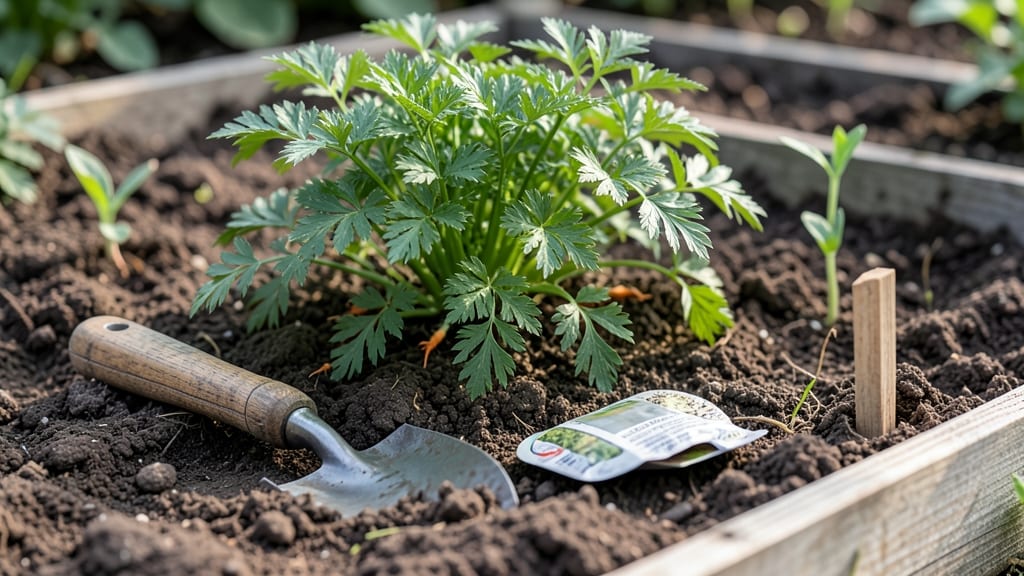
Timing your carrot planting in Zone 6 can make or break your harvest—get it wrong, and you might end up with stunted 🥕 or no crop at all. The key isn't just when you plant, but how you prepare your soil and adjust for Zone 6's unpredictable weather shifts.
Most gardeners in 6a-6b know spring is prime time, but did you know late summer also offers a second chance? I'll show you the exact windows—plus the three mistakes that trip up even experienced growers—and how to avoid them for a thriving garden.
Whether you're a first-timer or a seasoned gardener, these insights will help you maximize your yield. We'll cover soil prep, companion plants, and how to extend your growing season when early frosts threaten your 🥕.
Ready to turn your carrot dreams into reality? Let's dive into the secrets that'll have you harvesting crisp, sweet roots all season long.
Optimal carrot planting times in Zone 6: exact weeks and months for maximum yield
Zone 6 gardeners have two prime windows to plant carrots: early spring and late summer. The key is timing these plantings to avoid early frosts and late-season heat, both of which can stunt growth or prevent germination.
In my experience, planting too early in cold soil or too late in sweltering heat leads to uneven sprouts and poor yields.
For spring plantings, aim for 4-6 weeks before your last frost date—typically mid-March to early April in Zone 6. Carrot seeds need soil temperatures between 50°F and 85°F to germinate properly.
If you plant too early, the cold soil will delay sprouting, leaving your carrots vulnerable to pests or disease. Conversely, late summer plantings should occur 8-10 weeks before your first frost, usually around late July to early August.
Here’s the secret most gardeners miss: soil temperature matters more than air temperature. Use a soil thermometer to confirm your planting window—carrot seeds won’t sprout reliably in soil below 50°F, even if the air feels warm.
In my Zone 6b garden, I’ve seen seeds take 3 weeks to germinate when planted in 45°F soil, compared to just 7-10 days in ideal conditions.
| Planting Window | Ideal Soil Temp (°F) | Zone 6 Months | Germination Time |
|---|---|---|---|
| Early Spring | 50-65°F | March-April | 7-14 days |
| Late Summer | 60-75°F | July-August | 5-10 days |
| Fall (Risky) | 55-70°F | September (early) | 10-21 days |
🌱 Pro Tip: Use black plastic mulch to warm soil faster in spring or shade cloth to cool it in summer.
One of my biggest lessons came when I planted carrots in late May—right after the last frost. The intense summer heat caused the seeds to sprout too quickly, leading to forked and stunted roots.
To avoid this, I now plant successive batches every 2 weeks in spring and summer, ensuring a steady harvest. This also helps spread out the pest pressure, as carrot flies and aphids target larger plantings.
For gardeners in Zone 6a (colder microclimates), I recommend starting seeds indoors 4-6 weeks before transplanting in late April. Use biodegradable pots to avoid disturbing roots during transplanting. In Zone 6b, direct sowing works well if you plant by mid-April.
Always test your soil’s drainage first—carrots hate soggy soil and will rot before they mature.
Don’t overlook fall plantings, either. While risky, a September sowing can yield carrots by early October if your first frost arrives late. Use row covers to extend the season and protect tender seedlings.
I’ve had success with short-season varieties like ‘Early Nantes’ in fall, but avoid planting after mid-September unless you’re using a high tunnel.
Finally, remember that carrots are cool-season crops, meaning they thrive in 60-70°F temperatures. If summer heat persists, provide afternoon shade with a lightweight shade cloth (30-50% shade).
This simple trick can double your yield during heatwaves. In my garden, this method added 3 extra weeks of harvestable carrots in late summer.
By mastering these planting windows and soil temperature tricks, you’ll avoid the 3 most common mistakes that ruin carrot harvests in Zone 6. Next, we’ll dive into those pitfalls—and how to fix them before they derail your crop. 🥕
Optimal carrot planting times in Zone 6: exact weeks and months for maximum yield
Zone 6 gardeners face a short growing season—just 165 frost-free days—so timing is everything for carrots. Plant too early, and cold soil delays germination. Too late, and roots won't mature before frost. The key is soil temperature, which should stay above 50°F (10°C) for consistent sprouting.
Most Zone 6 gardeners succeed with two planting windows: early spring and late summer. Spring plantings go in 4-6 weeks before your last frost (typically March 15-April 15), while fall plantings happen 8-10 weeks before first frost (July 15-August 15).
These windows ensure roots reach harvest size before cold sets in.
| Planting Window | Ideal Months | Soil Temp | Days to Harvest |
|---|---|---|---|
| Early Spring | March 15 - April 15 | 50-65°F (10-18°C) | 70-80 days |
| Late Summer | July 15 - August 15 | 55-70°F (13-21°C) | 60-75 days |
For extended harvests, try a successive planting strategy: sow seeds every 2 weeks in spring and 3 weeks in summer. This staggering ensures a steady supply from June through October. Just remember—carrots need 6+ hours of sun daily, so choose a south-facing bed for best results.
If your spring is unpredictable, use row covers to protect seedlings from late frosts. These lightweight fabrics raise soil temps by 5-8°F (3-4°C) and speed up germination. For fall plantings, opt for fast-maturing varieties (like 'Early Nantes') to beat the clock before frost.
One common mistake is planting too early when soil is still cold. Test soil temps with a soil thermometer—wait until it consistently hits 50°F (10°C) at 2 inches deep. Cold soil causes seeds to rot before sprouting, wasting your effort and seed packets.
Pro tip: Direct sow carrots instead of starting indoors—they hate transplanting. Thin seedlings to 2-3 inches apart once they're 2 inches tall to prevent overcrowding, which leads to forked or stunted roots. Keep soil consistently moist (not soggy) during germination to encourage strong root development.