
Flowers
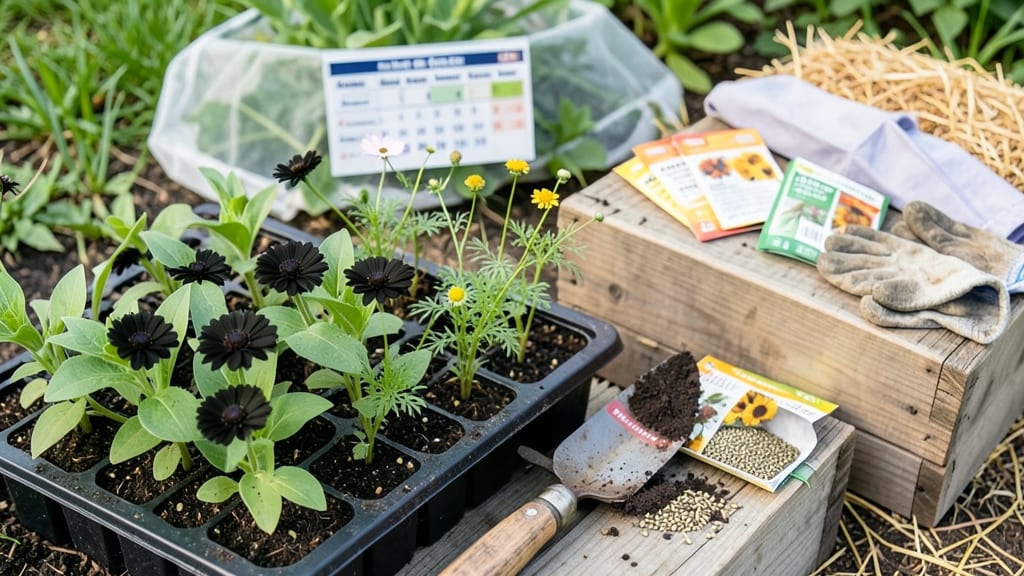
Planting flowers in Michigan at the wrong time can mean the difference between a garden bursting with color and one that fades before it even begins. With last frost dates shifting unpredictably and USDA zones 5b-6b creating microclimates across the state, timing is everything.
You’ve probably heard the rule: wait until after the last frost. But in Michigan, that’s easier said than done—especially when northern regions like Traverse City face frost 2 weeks later than Detroit.
The key is knowing your exact zone and choosing the right flowers for your spring or fall planting window.
Whether you’re dreaming of bold tulips in May or late-season marigolds that thrive into October, I’ll break down the precise weeks to plant for your area. No more guessing—just vibrant blooms that last all season.
Let’s dive into the zone-specific schedule that’ll have your Michigan garden looking like a postcard, no matter where you live in the Great Lakes state.
Michigan flower planting calendar by Zone: exact weeks for annuals, perennials & bulbs
Michigan’s USDA Zones 5b-6b create unique planting windows—northern regions (like Traverse City) often wait until late May, while southern areas (like Detroit) can start as early as mid-April.
The key is aligning your planting with soil temperatures (aim for 60°F+) and frost-free dates, which vary by 1-2 weeks across the state.
For annual flowers like marigolds or petunias, wait until after the last frost—typically May 10-20 in most of Michigan. Perennials (e.g., coneflowers, daylilies) thrive when planted in spring or early fall, while bulbs like tulips should go in the ground by October for spring blooms.
Timing matters because Michigan’s unpredictable late frosts can wipe out tender seedlings.
Here’s a zone-specific breakdown of when to plant your favorite flowers, including soil prep tips and frost protection strategies:
| Zone & Region | Spring Planting Window | Fall Planting Window | Soil Temp Requirement | Best Flowers for Zone |
|---|---|---|---|---|
| Zone 5b (Northern MI: Marquette, Traverse City) | May 15–25 | September 1–15 | 60°F+ (use row covers for earlier starts) | Daylilies, Black-Eyed Susans, Pansies |
| Zone 6a (Central MI: Lansing, Grand Rapids) | May 1–10 | September 15–30 | 55°F+ (amend soil with compost) | Marigolds, Coneflowers, Tulips (bulbs) |
| Zone 6b (Southern MI: Detroit, Toledo) | April 15–May 5 | October 1–15 | 50°F+ (warmer soil earlier) | Petunias, Snapdragons, Dahlias |
| 🌱 Pro Tip: Test soil temp with a thermometer—wait until it hits 60°F+ for annuals. | ||||
If you’re planting bulbs like tulips or daffodils, aim for October 1-15 in most of Michigan. Bulbs need 6-8 weeks of chilling to bloom, so don’t wait too late—soil freezes by November in northern zones.
For perennials, early spring (March-April) or early fall (September) gives roots time to establish before winter.
Michigan’s microclimates matter too—urban areas (like Ann Arbor) often warm up 1-2 weeks earlier than rural spots due to heat islands. Use row covers or cold frames to extend your season if you’re eager to plant early.
Just remember: Frost can return anytime before May 20, so keep a frost cloth handy for tender seedlings.
For container gardening, you can plant 2-3 weeks earlier than in-ground flowers since pots warm up faster. Fill containers with well-draining potting mix and place them in south-facing spots to maximize warmth. Succession planting (e.g., sowing marigolds every 2 weeks) ensures continuous blooms from June to October.
One common mistake? Planting annuals too early and losing them to frost. Always check the Michigan State University Garden Hotline or local Cooperative Extension for updates on frost advisories.
And if you’re in Zone 5b, consider cold-hardy varieties like pansies or snapdragons—they tolerate light frosts and bloom earlier.
Finally, amend your soil before planting: Michigan’s clay-heavy soil benefits from compost or peat moss to improve drainage. A pH test (aim for 6.0-7.0) ensures your flowers thrive.
With the right timing, your Michigan garden can burst into color from May to October—or even year-round with evergreen shrubs like hydrangeas.
🌸
5 Signs it’s Actually Safe to Plant Flowers in Michigan (Not Just the Almanac)
Michigan’s last frost dates are famously unreliable, so don’t rely solely on the almanac. Instead, watch for these 5 real-world cues that signal your garden is finally frost-free and ready for flowers.
These signs help you avoid the common mistake of planting too early—when a late frost can wipe out tender seedlings overnight.
First, check the leafing trees in your area. When maple or birch leaves are fully unfurled (about the size of a dinner plate), it’s usually safe to plant warm-season annuals like marigolds or zinnias.
This typically lands in late May for most of Michigan, but northern regions may wait until early June.
Soil temperature is another critical factor. Use a soil thermometer to confirm the top 2 inches of soil are consistently above 60°F (15°C) during the day. Cool soil slows root growth, leaving plants vulnerable to stress. In USDA Zone 5b (northern Michigan), this often happens by May 15, while Zone 6b (southern Michigan) may reach it by mid-April.
🌿 Leafing Trees
Maple/birch leaves fully unfurled = safe for annuals (late May in Zone 5b).
🌡️ Soil Warmth
Top 2" of soil at 60°F+ for 3+ days = roots will thrive.
🐝 Insect Activity
Bees and butterflies buzzing = flowers will pollinate successfully.
🌦️ 7-Day Forecast
No frost warnings = safe to plant heat-loving flowers (e.g., petunias).
🌱 Seedling Hardiness
Test with basil or marigold seedlings—if they survive 5 nights, your flowers will too.
Pay attention to insect activity. When bees and butterflies are actively foraging, it’s a sign the weather has stabilized enough for pollinator-friendly flowers like coneflowers or lavender. If you see honeybees on clover in your yard, it’s a green light for planting annuals.
Always check the 7-day weather forecast before planting. Even if soil is warm, a late-May frost (common in northern Michigan) can devastate young plants. For heat-loving flowers like geraniums or salvia, wait until the forecast shows no frost risk for 7+ days.
Finally, test the waters with hardy seedlings. Plant a few basil or marigold seedlings and monitor them for 5 nights. If they survive without damage, your tender perennials (like impatiens) are likely safe to plant too. This DIY test beats guessing—and saves you from replanting!