
Companion Plants
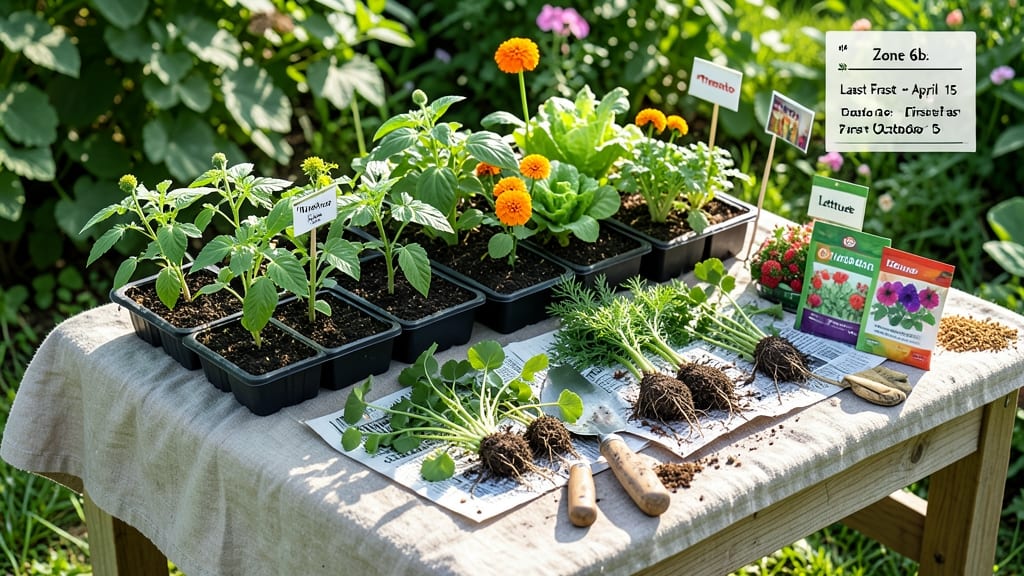
Knowing when to plant in Zone 6b is the difference between a thriving garden and a wasted season—because one wrong move can mean frost-killed seedlings or missed harvests. Whether you're dreaming of crisp spring lettuce or juicy summer tomatoes, timing is everything, and the last frost date is your secret weapon.
In Zone 6b, where average last frosts arrive around mid-April, cool-season crops like broccoli and peas can go in the ground 4-6 weeks before that date, while heat-lovers like peppers and eggplants need to wait until 2-3 weeks after.
But here’s the catch: microclimates and weather quirks mean your neighbor’s schedule might not be yours.
I’ll break down exactly when to plant—from hardy greens to tender annuals—so you can avoid common mistakes and extend your growing season like a pro. Ready to turn your garden into a year-round success? Let’s get started.
With the right strategy, you’ll harvest longer, waste less, and enjoy fresher produce straight from your backyard. No more guessing—just science-backed timing tailored to Zone 6b’s unique rhythm.
Zone 6B last frost dates: exact weeks to plant cool-season vs warm-season crops
In Zone 6B, your last frost date typically falls between April 15 and May 15, depending on your exact location. This window determines whether your cool-season crops like lettuce or warm-season crops like tomatoes have enough time to thrive.
For example, if your last frost is May 1, you’ll adjust planting times accordingly.
Understanding these dates helps you avoid frost damage to tender seedlings while maximizing your harvest potential. Cool-season crops can often handle light frosts, while warm-season crops need consistent warmth. Let’s break down the exact timing for each category to ensure your garden succeeds.
Here’s a quick reference for planting windows based on your last frost date. Whether you’re in western Kentucky or central Indiana, these guidelines apply to most of Zone 6B.
| Plant Type | Weeks Before Last Frost | Planting Window | Examples |
|---|---|---|---|
| Cool-Season Crops | 4-6 weeks | Early March to mid-April | Lettuce, Spinach, Peas, Broccoli |
| Warm-Season Crops | 2-3 weeks after last frost | Late April to early May | Tomatoes, Peppers, Cucumbers, Basil |
| Perennials & Flowers | 2-4 weeks before last frost | Late March to early April | Daylilies, Coneflowers, Lavender |
| Fall Crops (for late harvest) | 6-8 weeks before first frost | Late July to early August | Kale, Radishes, Carrots, Beets |
For cool-season crops, start seeds indoors 4-6 weeks before your last frost date. For example, if your frost date is May 1, begin sowing lettuce or spinach around March 15. These plants thrive in cooler temperatures and can even tolerate light frosts.
On the other hand, warm-season crops like tomatoes and peppers need to wait until the soil is consistently 60°F or warmer. This usually means planting them 2-3 weeks after your last frost date.
If your frost date is May 1, hold off until May 15 to avoid stunted growth.
Perennials and flowers can be planted a bit earlier, typically 2-4 weeks before your last frost date. This gives them time to establish roots before the warmer weather arrives. For instance, daylilies or coneflowers should go into the ground around late March if your frost date is May 1.
Don’t forget about fall planting! If you want to extend your harvest into autumn, plant cool-season crops again 6-8 weeks before your first frost date, which is typically around October 15. This means sowing seeds in late July or early August for a late-season harvest.
Pro tip: Use a frost calendar or local weather reports to fine-tune your planting schedule. Even within Zone 6B, microclimates can shift frost dates by a week or more. For example, urban areas may warm up faster than rural spots, so adjust accordingly.
By following these guidelines, you’ll ensure your Zone 6B garden thrives year after year, whether you’re growing vegetables, flowers, or herbs. Happy planting! 🌱
How to extend your Zone 6B growing season with frost protection and succession planting
Zone 6B’s 165 frost-free days might feel short, but with the right tricks, you can stretch your growing season by 30-50 days—meaning more harvests of tomatoes, peppers, and greens. The key? Frost protection and succession planting to keep your garden productive from spring to fall.
Start by using row covers or frost cloths to shield tender seedlings from late spring frosts. These lightweight fabrics raise soil temperatures by 5-8°F, letting you plant 2-3 weeks earlier for crops like lettuce and spinach.
For even more warmth, try a cold frame or mini greenhouse to coax early starts.
For high-value crops like tomatoes and peppers, succession planting ensures a continuous harvest. After your first planting, sow a second batch 2-3 weeks later once the soil warms. Repeat every 2-4 weeks until mid-summer for a steady supply.
Don’t forget fall planting! Many cool-season crops—like kale, carrots, and radishes—thrive in Zone 6B’s mild autumn. Plant them 6-8 weeks before your first frost (around September 15) for a late-season bounty.
Here’s how to maximize every season in Zone 6B:
With these strategies, you’ll double your harvests and enjoy fresh produce well into autumn—no matter how short Zone 6B’s growing season feels. The secret? Plan ahead and protect your plants when it matters most.
Try one new method this season, and watch your garden thrive beyond the usual limits. Happy planting! 🌿