
Companion Plants
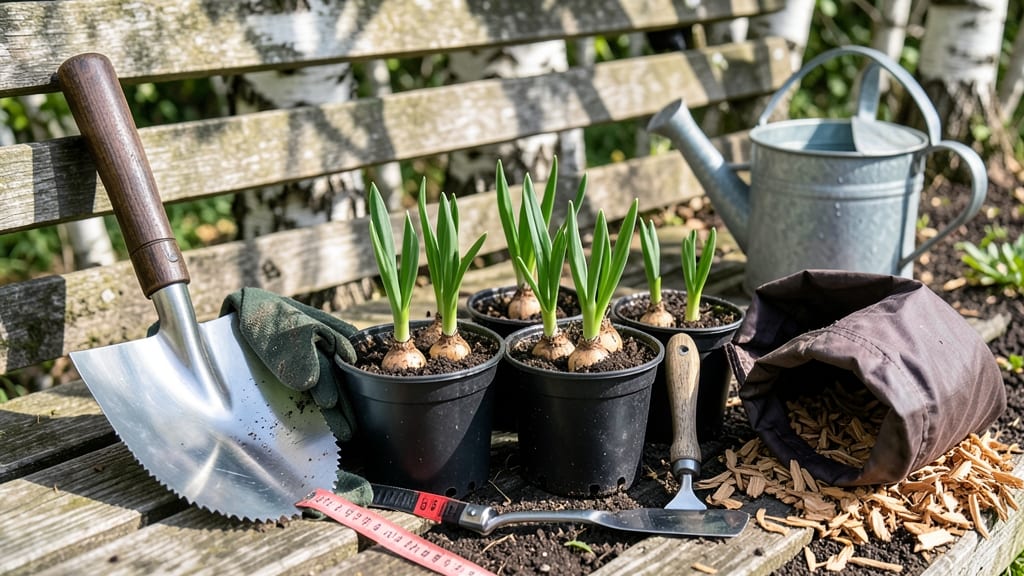
Timing your potted tulips in the ground can mean the difference between a showstopping spring display and a sad, wilted mess. 🌷 If you plant too early, frost will zap those tender bulbs before they even get a chance to root.
But wait too long, and you might miss the ideal window entirely.
Most gardeners in USDA Zone 6a (like where I live) swear by transplanting in early spring—once the soil warms to 50°F and the last frost date has passed. That’s usually around late March to early April, but your exact timing depends on your local microclimate.
Urban areas might run a few degrees warmer than rural spots, so check your neighborhood’s frost history.
Here’s the game-changer: your tulips are ready when the soil is workable and the potted roots are snug against the container. If you’re unsure, dig a test hole—if the dirt crumbles easily, it’s time to plant.
I’ll walk you through exactly how to prep your garden bed, avoid common pitfalls, and keep those 🌷 blooms thriving once they’re in the ground.
Whether you’re a first-time gardener or a seasoned pro, getting this step right ensures your tulips will burst into color year after year. Let’s make sure you don’t miss the perfect moment to transplant!
Best planting windows for potted tulips by USDA hardiness Zone
Transplanting potted tulips too early risks frost damage, while waiting too long can stunt blooms. Your USDA hardiness zone determines the perfect window—typically 4-6 weeks before your last spring frost.
For example, in Zone 5, aim for early April, while Zone 8 gardeners can plant as late as February. Always check your local frost dates for precision.
Micro-climates matter too! Urban areas may experience 2-4°F warmer soil than rural spots, while elevated gardens can delay planting by 1-2 weeks. Use a soil thermometer to confirm 40-50°F soil temps—ideal for root establishment. For potted tulips, this means waiting until nighttime temps stay above 35°F consistently.
Here’s how to adapt for your zone—including early bloomers like Darwin Hybrid tulips versus late varieties such as Fosteriana:
| Zone | Last Frost Date | Ideal Transplant Window | Soil Temp Goal | Notes |
|---|---|---|---|---|
| 3-4 | Mid-April to May 1 | Late April to early May | 45-50°F | Wait for consistent 40°F nights |
| 5-6 | Mid-April to April 30 | Early April to mid-April | 40-45°F | Urban areas: plant 1 week later |
| 7-8 | Mid-January to February 15 | Late January to early February | 40-45°F | Elevated gardens: delay 10 days |
| 9-10 | December 15 to January 10 | Late November to mid-December | 38-42°F | Coastal zones: plant earlier (milder winters) |
Pro tip: Use weather apps like Old Farmer’s Almanac to track 10-day forecasts. If a late frost warning appears, cover newly planted tulips with frost blankets or row covers. For early bloomers, prioritize planting in well-draining soil to prevent rot if rains follow.
Tulips planted in containers before last frost can be left in pots until soil warms—just ensure pots have drainage holes. However, transplanting into garden beds after frost yields stronger blooms. For Zone 3-4, consider mulching heavily (4-6 inches) to insulate bulbs until spring.
Ever wonder why some tulips bloom earlier than others? It’s all about chilling requirements. Darwin Hybrids need 12-16 weeks of cold, while Gracie varieties thrive with just 8-10 weeks. Check your bulb packaging for specific chilling needs—this affects your transplant timing too!
For urban gardeners, heat from buildings can create micro-climates 5-10°F warmer than surrounding areas. Plant south-facing beds first, as they warm faster. If your area has unpredictable frosts, opt for late-blooming varieties like Parrot tulips to reduce frost risk.
Finally, test your soil’s drainage before planting. Tulips hate soggy roots—amend clay soil with compost or sand to improve aeration. Aim for 6-8 inches deep planting, with the bulb’s base 4-6 inches below soil level. This depth protects roots from temperature swings.
Remember: Patience pays off. Tulips planted at the right time will reward you with bold, vibrant blooms for years—sometimes even re-blooming if deadheaded properly! 🌷
Signs your potted tulips are ready for ground planting (before the calendar says so)
Don’t rely solely on the calendar—your potted tulips will tell you when they’re ready to move. 🌱 The first clue? New leaf growth that’s at least 2-3 inches tall. I always check for this because it means the bulb has broken dormancy and is actively growing roots.
If your tulips are still dormant (just a small sprout), wait a few more weeks.
Next, inspect the root system. Gently remove your tulip from its pot and look for white, fibrous roots filling at least half the container. If roots are circling tightly or bursting from drainage holes, it’s a clear sign they’re root-bound and need space.
I once waited too long with mine, and the roots were so dense I had to tease them apart before planting—not ideal!
Soil temperature is another critical factor. Use a soil thermometer to confirm the ground has warmed to at least 50°F. Cold soil slows root growth, making transplants vulnerable to rot.
In my Zone 6a garden, I test soil in late March—if it’s still chilly, I hold off and use row covers to protect young plants.
🔍 Key takeaway box coming up—this is where I summarize the must-check signs before you dig that first hole. Trust me, skipping these steps can mean the difference between blooming tulips and wilted disappointment.
🌱 Key Takeaway: 3 Signs Your Tulips Are Ready
- 🌿 Leaf growth: 2-3" tall, vibrant green
- 🪴 Root check: Filling pot, white/fibrous
- 🌡️ Soil temp: 50°F+ (use thermometer!)
⚠️ Pro Tip: If your tulips are root-bound, soak the pot for 1 hour before transplanting to reduce shock.
Weather forecasts can also accelerate or delay your planting. If a late frost is predicted, cover your newly planted tulips with frost cloth or a lightweight blanket. I once lost a batch of Darwin Hybrid tulips because I ignored a frost warning—never again!
Conversely, if your area is forecasted for unseasonably warm weather, go ahead and plant early.
Finally, observe the local wildlife. When daffodils (which bloom earlier) start popping up in your neighborhood, it’s a natural signal that tulips are safe to transplant. I follow this rule like clockwork—it’s nature’s frost-free calendar!
Once you’ve confirmed all these signs, it’s time to prep your garden bed. Loosen the soil to 12 inches deep, mix in compost, and avoid fresh manure—too much nitrogen now can burn the bulbs. Your tulips will thank you with bold, healthy blooms next spring. 🌷