
Companion Plants
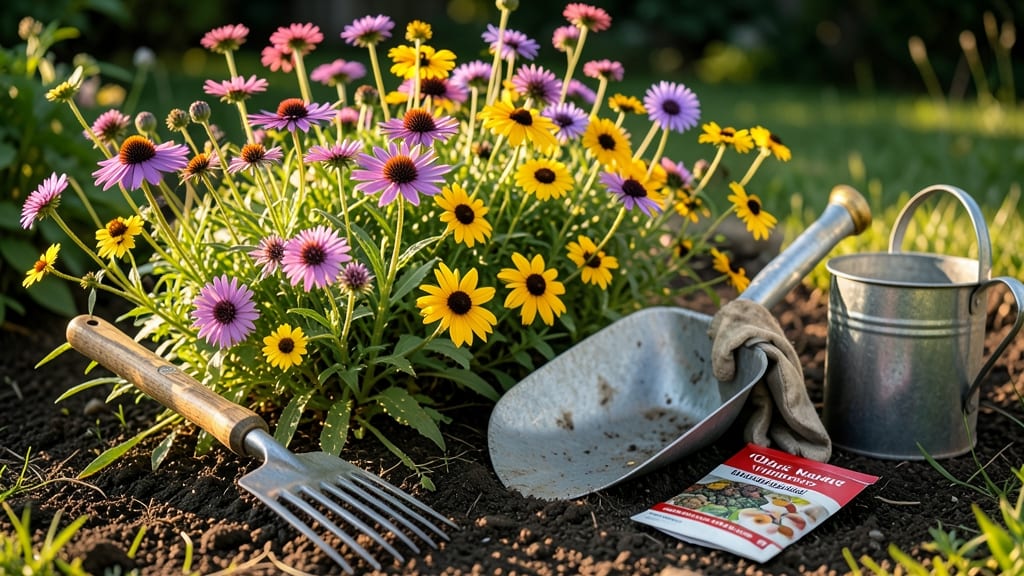
If you're dreaming of a meadow bursting with 🌼 wildflowers in Ohio, when can I plant wildflower seeds in Ohio is the first question to answer—because timing your planting is the secret to success—or disappointment.
The perfect window to sow seeds in Ohio isn't just about the calendar; it's about understanding your microclimate, whether you're in the humid Lake Erie region or the drier Appalachian hills.
Most Ohio gardeners know spring and fall are the ideal times, but did you know the exact weeks can shift by 2-3 weeks depending on your location? Planting too early risks frost damage, while waiting too long might mean missed germination.
I'll break down the best planting weeks for your specific zone, so you can maximize blooms from May through September.
You'll also discover how to prep your soil for wildflower success, whether you're working with clay-heavy ground or limestone-rich patches. Plus, I'll share which seed mixes thrive best in Ohio's 6a climate—because not all wildflowers are created equal when it comes to local conditions.
Ready to transform your yard into a pollinator paradise? Let's dive into the exact timing and techniques that will give you the vibrant blooms you're after—without the guesswork.
Ohio’s wildflower planting zones by microclimate: exact weeks for best germination
Ohio’s 5 distinct microclimates create unique planting windows for wildflowers, so timing matters more than you’d think. The Northern Zone (USDA 5a-6a) has later springs, while the Southern Zone (USDA 6b-7a) enjoys earlier starts.
Even within 20 miles, frost dates can shift by 2-3 weeks—so knowing your exact region is key.
For spring planting, most Ohio gardeners aim for March through early April, but this varies by zone. The Lake Effect Zone near Lake Erie often gets 1-2 weeks earlier due to warmer lake breezes. Meanwhile, Appalachian regions may need to wait until mid-April to avoid late frosts.
Fall planting—August through early September—gives seeds time to establish roots before winter. This works best in Southern Ohio where first frosts arrive October 15 or later. In Northern Ohio, aim for late August to avoid early cold snaps.
Here’s how Ohio’s microclimates break down for optimal planting weeks, with USDA zone adjustments:
| Microclimate | USDA Zone | Spring Planting Window | Fall Planting Window |
|---|---|---|---|
| Northern Ohio | 5a-6a | Mid-April to early May | Late August to mid-September |
| Southern Ohio | 6b-7a | Early March to mid-April | Early August to late September |
| Lake Effect (Lake Erie) | 6a-6b | Late February to early April | Late July to early September |
| Appalachian Foothills | 6a-6b | Mid-April to early May | Late August to mid-September |
| Urban Heat Islands | 6b-7a | Early March to mid-April | Early August to late September |
If you’re in doubt about your microclimate, check your average last frost date—plant 2-3 weeks after for spring or 6-8 weeks before your first frost in fall. For example, Columbus (Zone 6a) typically plants in early April or mid-August.
Elevation also plays a role: Higher Appalachian zones (Zone 5b) may need 1-2 weeks later than valley areas. Always adjust for soil temperature—seeds need 50°F+ for spring planting and 60°F+ for fall.
Pro tip: Use native wildflower mixes like Ohio Goldenrod or Black-Eyed Susan—they’re adapted to your microclimate and thrive with minimal fuss. Just scatter seeds lightly and press into soil; no deep burial needed!
For urban gardeners, heat islands can push planting 1-2 weeks earlier than rural areas. Monitor your local weather station or use apps like Old Farmer’s Almanac for real-time adjustments.
Remember: Fall planting often yields better blooms because seeds establish roots in cool weather, avoiding spring competition from weeds. Try it—your pollinators will thank you!
How to adjust planting timing for Ohio’s unpredictable spring weather patterns
Ohio’s spring weather is famously unpredictable—one day it’s 60°F and sunny, the next it’s 30°F with frost. This variability makes timing your wildflower seed planting tricky, but with the right strategies, you can outsmart Mother Nature.
The key is understanding soil temperature, frost-free dates, and how rainfall patterns affect seed germination.
Most wildflower seeds need consistent soil temps between 60°F and 70°F to germinate properly. In Ohio, this typically happens mid-April to early May in most regions, but northern zones (like Toledo) may need to wait until late April.
If you plant too early, seeds can rot in cold, wet soil, while planting too late risks summer drought stress before roots establish.
Ohio’s average last frost date is April 15, but late frosts can occur until May 10—especially in valleys and low-lying areas. If you plant annual wildflowers (like cosmos or zinnias) too early, a single frost can wipe out young seedlings. Perennials (like black-eyed Susans) are hardier but still benefit from waiting until soil warms.
🌱 Pro Tip: Use row covers or plant in sheltered microclimates (like near a south-facing fence) to extend your planting window by 2-3 weeks.
To calculate your local frost-free date, check the Old Farmer’s Almanac or use your USDA zone as a guide. For example, Zone 5b (northwest Ohio) has a longer frost season than Zone 6b (southern Ohio), so adjust your planting by 1-2 weeks later.
If you’re unsure, plant a test row of fast-growing seeds (like annual phlox) to gauge soil conditions.
Another critical factor is seed stratification, a process that mimics winter conditions to break seed dormancy. Many native Ohio wildflowers (like purple coneflower or butterfly weed) benefit from cold-moist stratification.
If your seeds require it, soak them in water for 24 hours, then mix with damp sand and refrigerate for 4-6 weeks before planting. This boosts germination rates by up to 50%.
For fall planting (August-September), focus on soil moisture and weed competition. Seeds sown in late summer need consistent moisture to germinate before dormancy sets in. Use a light mulch (like straw) to retain moisture and suppress weeds, which can outcompete wildflower seedlings.
Fall-planted seeds also establish roots early, giving them a head start in spring.
Finally, monitor rainfall in the weeks after planting. Ohio’s spring showers can either help germination or wash seeds away if the ground is bare. If dry spells occur, water gently (no pressure!) to keep soil moist but not soggy.
With these timing adjustments, your wildflowers will thrive despite Ohio’s capricious weather.