
Plants
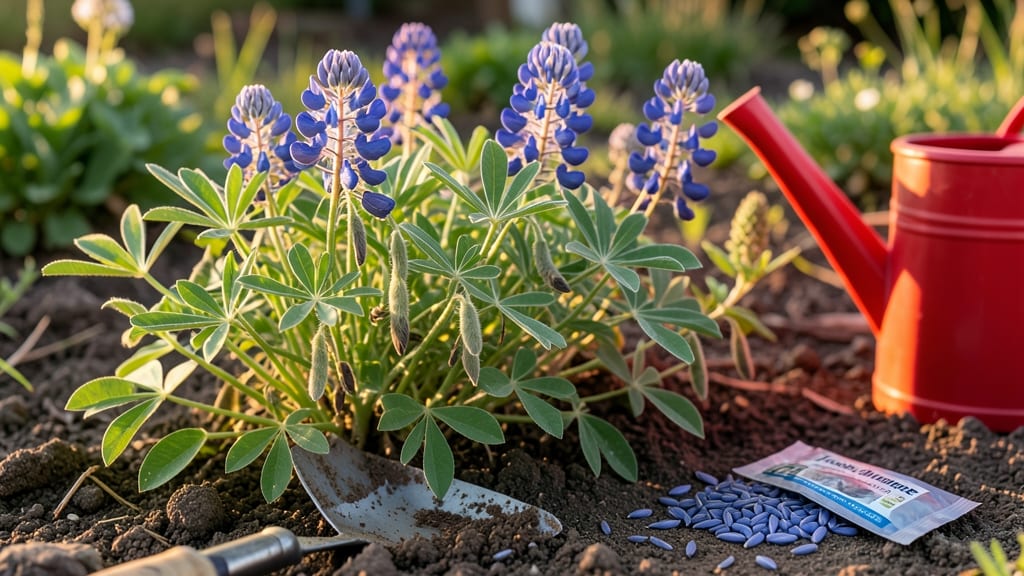
If you’ve ever dreamed of planting bluebonnet seeds in Houston to see the city’s iconic bluebonnet fields blooming in your own yard, timing your seeds right is the secret weapon you need. Planting too early or late can leave you with sparse blooms—or worse, no flowers at all.
The key lies in Houston’s 9a climate, where fall’s cooler temps and winter rains create the perfect conditions for these Texas-blue wonders 🌸 to thrive.
Most gardeners swear by fall planting, but Houston’s unpredictable weather adds a twist. While September to October is ideal, you can also sow seeds in early spring—just avoid the heat of summer.
I’ll break down the exact months, soil prep tricks, and even how to outsmart Houston’s clay-heavy soil for vibrant, long-lasting blooms by spring.
Think you’ve missed the window? Don’t worry—this guide covers both fall and spring options, plus pro tips to maximize germination. Whether you’re a first-time planter or a seasoned gardener, these insights will help you skip the guesswork and create a show-stopping bluebonnet display year after year.
Ready to transform your yard into a Texas-blue paradise? Let’s dive into the exact planting schedule, seed depth secrets, and care routines that’ll have your bluebonnets standing tall and proud by March. Your future spring blooms will thank you!
Houston’s bluebonnet planting calendar: month-by-month breakdown for best results
Houston’s USDA Zone 9a climate creates a unique window for planting bluebonnet seeds—one that balances summer heat and winter rains.
Unlike cooler regions, Houston’s fall planting (September–October) is ideal because it allows seeds to germinate before first frost (mid-December), while spring planting (February–March) catches early warmth for faster blooms. Let’s break down the best months and why they work.
Timing matters because bluebonnets need 60–120 days to flower, and Houston’s humidity and clay soil can delay germination if planted too early or late. September is my top pick—it avoids summer’s scorching heat while giving seeds time to establish roots before winter rains arrive.
If you miss this window, February is your second chance, but expect slower growth due to spring heat spikes.
🌱 Did You Know? Bluebonnets are native Texas wildflowers that thrive in Houston’s hot, humid summers once established. Their secret? A deep taproot that accesses water below the surface, making them drought-tolerant after the first year. This adaptability is why fall planting is critical—it lets roots grow before the heat of summer stresses young plants.
| Month | Soil Temp (°F) | Planting Window | Why It Works | Houston Tip |
|---|---|---|---|---|
| August | 85–95°F | Late August (if soil cools) | Avoids peak summer heat | Water deeply after planting to combat drought |
| September | 75–85°F | Best time (early–mid) | Ideal soil temps for germination | Scatter seeds on bare soil; no covering needed |
| October | 65–75°F | Second-best window | Cooler temps reduce stress | Mulch lightly to retain moisture |
| November | 55–65°F | Risky (late) | Seeds may rot in wet soil | Use raised beds for drainage |
| February | 60–70°F | Second chance | Early warmth speeds growth | Shade seedlings from afternoon sun |
| March | 70–80°F | Too late for full blooms | Flowers may struggle in heat | Focus on next year’s seeds |
Houston’s clay-heavy soil can be a double-edged sword for bluebonnets. While it retains moisture (critical for germination), it also compacts easily, smothering young roots. To fix this, I always amend planting areas with compost or sand (50/50 mix) before scattering seeds.
This improves drainage while keeping humidity levels just right for sprouting.
Another Houston-specific trick
5 Critical factors that determine your Houston bluebonnet success (and how to control them)
Houston’s humid summers and clay-heavy soil can turn bluebonnet planting into a gamble—but these 5 key factors will give you control. Master them, and you’ll outsmart Houston’s climate for vibrant spring blooms every year. Let’s break down what truly matters beyond just the calendar.
First, rainfall timing is your biggest wildcard. Houston’s September-October planting window aligns with natural rainfall patterns, but too much rain can wash seeds away or cause rot. Aim for 1-2 weeks of dry weather after planting to let seeds settle into the soil without erosion risks.
Soil pH is another Houston-specific hurdle. Bluebonnets thrive in slightly acidic to neutral soil (pH 6.0-7.0), but our native clay often skews alkaline (pH 7.5+). Test your soil and amend with sulfur or peat moss if needed—this simple step can double your germination rates.
- 🌧️ Plant after Houston’s summer rains (target September 15-October 15) for ideal moisture without erosion.
- 🧪 Adjust soil pH to 6.0-7.0 using sulfur or compost—Houston’s clay naturally resists bluebonnets.
- ☀️ Prioritize full sun (6+ hours daily)—Houston’s partial shade spots will yield weak, leggy plants.
- 💧 Water lightly after planting, then reduce frequency—bluebonnets hate soggy roots.
- ✂️ Deadhead spent blooms in spring to encourage reblooming and prevent self-seeding where you don’t want it.
Sunlight exposure is non-negotiable in Houston’s climate. Bluebonnets need 6+ hours of direct sun daily, but our urban heat islands can scorch seedlings if planted too early. Wait until late September when daytime temps drop below 90°F—this gives seedlings time to establish roots before winter.
Post-planting care often makes or breaks Houston gardens. Overwatering is the #1 mistake—bluebonnets are drought-tolerant once established, and Houston’s heavy clay retains too much moisture. Water lightly after planting, then skip watering entirely unless we experience 3+ weeks of dry weather.
Finally, deadheading spent blooms in spring is a Houston gardener’s secret weapon. This simple task extends your bluebonnet display by 3-4 weeks by preventing the plant from redirecting energy to seed production.
Grab a pair of clean pruners and snip just above the first set of leaves—your neighbors will thank you!