
Plants
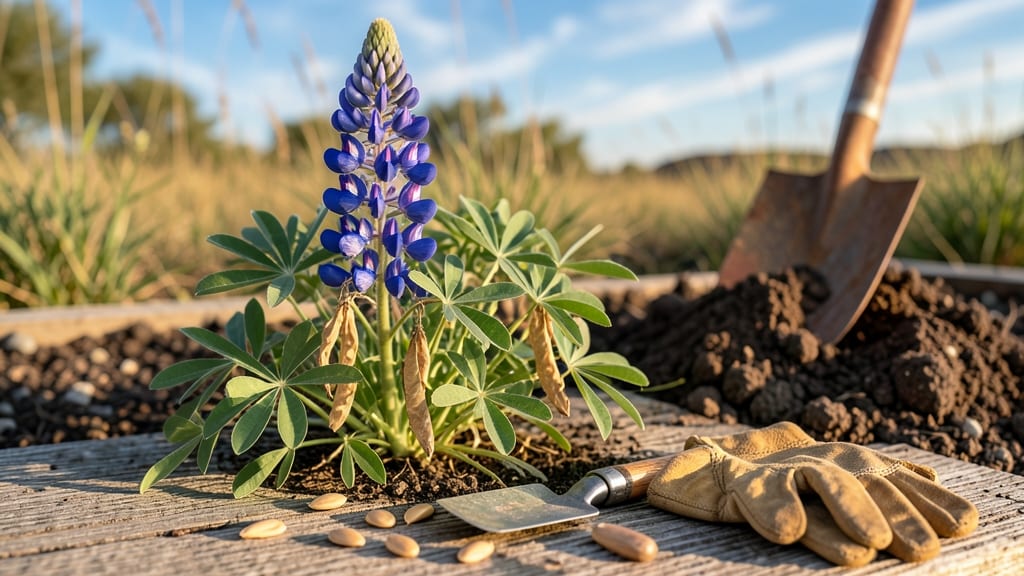
If you've ever dreamed of waking up to fields of iconic bluebonnet blooms 🌸 blanketing South Texas, the secret starts with planting the seeds at the perfect time.
The difference between a thriving spring display and a missed opportunity often comes down to those critical fall weeks when conditions align just right.
Most gardeners in zones 9a-10a know timing matters, but what many don't realize is that planting too early risks frost damage while waiting too late can leave your seeds struggling against winter's chill.
I've seen firsthand how a just-right window transforms ordinary soil into a vibrant blue carpet by spring - and I'm about to share exactly when to plant for maximum impact.
South Texas's unique climate - with its unpredictable rainfall and occasional late frosts - demands precision. The ideal planting window runs from late September through early November, but there's more to it than just dates.
We'll cover how to read your local microclimate, prepare soil for germination, and avoid common pitfalls that even experienced gardeners fall for.
Whether you're a first-time planter or a seasoned gardener looking to perfect your technique, these insights will help you time your planting like a pro. Let's dive into the exact weeks, soil prep secrets, and watering strategies that make all the difference in South Texas's challenging growing conditions.
Best planting weeks for bluebonnets in South Texas: frost-free deadlines
Timing your bluebonnet seeds perfectly in South Texas means aiming for that sweet spot between late November and early January. This window ensures seeds germinate before spring warmth triggers growth, but after summer’s heat has passed.
In USDA Zones 9a-10a, frost is rare but possible in December, so planting too early risks seed loss.
For San Antonio and Austin, the ideal window stretches from November 15 to December 15. Meanwhile, Corpus Christi and the Rio Grande Valley can push planting slightly later—December 1 to January 10—thanks to milder winters. Always check your local frost dates to adjust.
Bluebonnets thrive when planted after the first hard frost but before January 15, the average last frost date for most of South Texas. This timing aligns with natural rainfall patterns, reducing the need for supplemental watering.
If you miss the fall window, spring planting is possible but risky—seeds may bolt to flower before establishing strong roots. For best results, stick to fall planting and let nature do the work.
🌸
To calculate your exact window, subtract 6-8 weeks from your average last frost date. For example, if frost typically hits December 10, plant by October 20. Use the National Weather Service or local Cooperative Extension offices for precise data.
Microclimates play a huge role in South Texas. Urban areas like Houston may experience earlier frosts than rural landscapes, while southern exposures stay warmer longer. Observe your yard’s patterns for 3 years to refine your timing.
Pro tip: Plant after a light rain or water gently to settle seeds into the soil. This mimics natural conditions and boosts germination rates in clay-heavy South Texas soil.
🌿
If you’re planting in containers, the window shifts slightly—aim for late October to mid-November. Containers warm faster in spring, so earlier planting prevents bolting. Always use well-draining mix to avoid root rot in South Texas’s humid winters.
Remember, bluebonnets are perennials in ideal conditions, but they often reseed prolifically. Once established, they’ll return year after year with minimal effort—just mow after blooming to encourage new growth.
Best planting weeks for bluebonnets in South Texas: frost-free deadlines
South Texas’s mild winters and unpredictable frost patterns make timing your bluebonnet seed planting a delicate balance. Unlike northern regions, our USDA Zones 9a-10a offer a longer window—but that doesn’t mean you can plant anytime.
The ideal timeframe spans late November through early January, aligning with natural rainfall patterns and avoiding late-winter frost risks.
In most of South Texas, the last average frost date falls around January 15, but microclimates vary. Coastal areas like Corpus Christi may see frost as late as January 25, while inland zones like San Antonio typically see their last frost by January 10.
Planting too early risks seedling damage, while waiting too late may delay spring blooms.
For maximum success, aim to plant 4-6 weeks before your local first frost date. This gives seeds time to germinate and establish roots before winter dormancy.
In South Texas, this usually means late November to early December is your sweet spot—just in time for winter rains to naturally water your seeds.
🌱 South Texas Bluebonnet Planting Timeline
| Region | Best Planting Window | Key Consideration |
|---|---|---|
| San Antonio | Late November - Early December | Avoid post-holiday dry spells |
| Corpus Christi | Early December - Mid-January | Cooler coastal winters extend window |
| Rio Grande Valley | Mid-November - Early December | Higher humidity speeds germination |
| Hill Country | Late November - Early January | Higher elevation = later frost dates |
If you miss the fall window, don’t despair—bluebonnets are tough! You can also plant in early spring (February), though blooms may arrive later. The key is ensuring seeds receive consistent moisture during germination, whether from natural rains or your hose.
South Texas’s winter rainfall patterns often provide perfect conditions when timed right.
For gardeners in urban areas with heat islands, consider planting 2-3 weeks earlier than rural zones. These microclimates can delay frost by up to 10 days. Always check your local National Weather Service frost predictions for the most accurate timing each year.
Remember, bluebonnets thrive on natural cycles. Planting during their native fall-winter dormancy period ensures they’ll burst into bloom just as South Texas emerges from winter’s chill. With the right timing, you’ll have those iconic blue carpets brightening roadsides and gardens by March!