
Plants
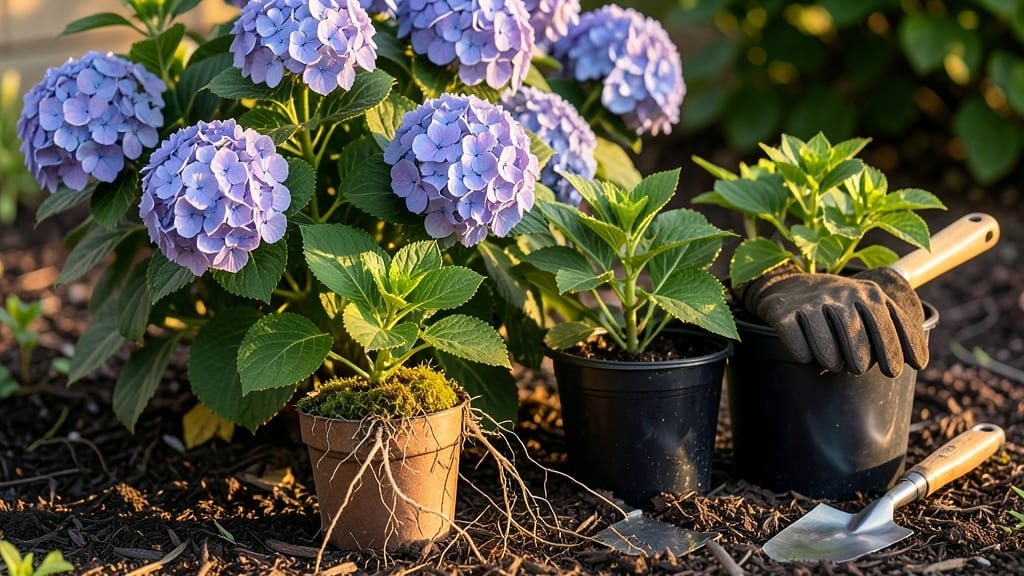
Timing when you can plant hydrangeas in the ground just right can mean the difference between a thriving 🌸 hydrangea that blooms for years and one that struggles—or worse, never takes root.
The best window for planting these stunning shrubs depends on your USDA zone, but getting it wrong can leave your new plant vulnerable to frost damage or heat stress.
If you're in Zone 6a or similar temperate regions, the ideal months are April through May after the last frost—typically around mid-April in many areas. This gives roots enough time to establish before summer heat arrives, setting the stage for strong growth and vibrant blooms next season.
But what if you missed the spring window or live in a warmer climate? Don't worry—we'll cover how to adjust your approach for late planting, container gardening, and even fall options. Whether you're a first-time gardener or a seasoned pro, these insights will help you plant with confidence.
The key to success isn't just picking a month—it's understanding soil temperatures, frost risks, and how your local climate affects hydrangeas. Let's dive into the best practices so your hydrangeas get off to the strongest start possible.
Best planting months for hydrangeas by USDA hardiness zone
Timing your hydrangeas' planting is the secret to strong roots and vibrant blooms. Since these shrubs thrive in 50–60°F soil, planting too early risks frost damage, while late planting can stress young roots.
The ideal window depends on your USDA zone and whether you're planting bare-root or container-grown hydrangeas.
For most gardeners in zones 5–9, the sweet spot is late April through May, after the last frost. In warmer zones (10–11), you can plant in winter (Dec–Feb) to avoid summer heat stress. Meanwhile, colder zones (3–4) should wait until late May to ensure soil warmth.
Bare-root hydrangeas need soil temps above 50°F to avoid shock, while container-grown plants adapt better to early spring planting (as early as March in mild zones). Always check your local last frost date—planting too soon can kill tender roots before they establish.
| USDA Zone | Best Planting Month | Soil Temp Requirement | Key Consideration |
|---|---|---|---|
| Zones 3–4 | Late May–June | 55–60°F | Wait for consistent warmth; avoid late frosts. |
| Zones 5–6 | April–May | 50–55°F | Plant after last frost date; mulch heavily. |
| Zones 7–9 | March–April or September–October | 50–60°F | Spring for bloom timing; fall for root growth. |
| Zones 10–11 | December–February | 60–65°F | Avoid summer heat; plant in cooler months. |
🌱 Pro Tip: Use a soil thermometer to confirm temps before planting.
If you're in a transition zone (e.g., zone 6b), err on the side of planting later—hydrangeas hate frost-heaving, where roots freeze and thaw unevenly. For container-grown plants, you can push the window 2–3 weeks earlier since their roots are already established.
Another critical factor? Daylength. Hydrangeas planted in late summer (after June) may not bloom the first year because they need 6–8 weeks of root growth before winter dormancy. This is why fall planting (zones 7–9) works—it gives roots time to settle before cold sets in.
For bare-root hydrangeas, soak roots in water for 1–2 hours before planting to rehydrate them. Container-grown plants, however, need minimal root disturbance—just loosen the root ball slightly. Both types benefit from a 2–3 inch layer of mulch after planting to retain moisture and regulate soil temperature.
One common mistake? Planting hydrangeas too deep. The crown (where stems meet roots) should sit just above soil level. Burying it too deep can cause rot, while planting too high risks poor water uptake.
Use the root flare as your guide—it should be visible above the soil line.
Finally, water deeply after planting to eliminate air pockets and encourage root contact with soil. In dry climates, follow up with weekly watering for the first month. Hydrangeas are thirsty plants, but they’ll reward you with lush foliage and stunning blooms if you give them the right start.
Late planting risks vs. early planting tips for hydrangeas
Planting hydrangeas too late in the season can leave them struggling to establish roots before winter arrives. If you miss the ideal April-May window in your zone, late summer planting (after June) is risky because heat stress and shallow root growth become major concerns.
In Zones 5-7, late starts may not harden off before frost, while Zones 8-11 face summer drought risks that can shock young plants.
Even if you plant late, you can still salvage your hydrangeas with the right adjustments. The key is to focus on root establishment and stress reduction. For example, in Zone 6a, if you plant in June, prioritize deep watering schedules and mulching to protect roots.
In warmer zones like Zone 10, late planting in fall (October-November) is actually safer than summer heat.
⚠️ Late Planting Warning
After June is the danger zone for hydrangeas in most zones. Risks include:
- Shallow roots from summer heat
- Fungal diseases from wet foliage
- Poor blooming next season
- Winter kill in colder zones
Solution: Plant in containers first and transition to ground in spring.
For early planting success, aim to plant hydrangeas 4-6 weeks before your last frost date. This gives roots time to establish before buds swell in spring. In Zones 3-5, early planting (March) is ideal, but protect young plants with burlap wraps if late frosts linger.
In Zones 8-11, early spring (February-March) works, but avoid planting when soil temps exceed 70°F.
Pro tip: If you're in a rush, bare-root hydrangeas plant faster than container-grown ones. Soak roots for 2-4 hours before planting to jumpstart growth. For container-grown plants, gently tease roots to encourage spreading. Both methods help compensate for late starts.
Remember, hydrangeas are perennials, so a slightly off-timed planting won't doom them—just give them extra care. Focus on well-draining soil, morning sun, and consistent moisture to help them recover. With patience, even late plantings can thrive!